
Apr . 01, 2024 17:55 Back to list
oem 1/4 in hydraulic hose factories Performance Analysis
Introduction
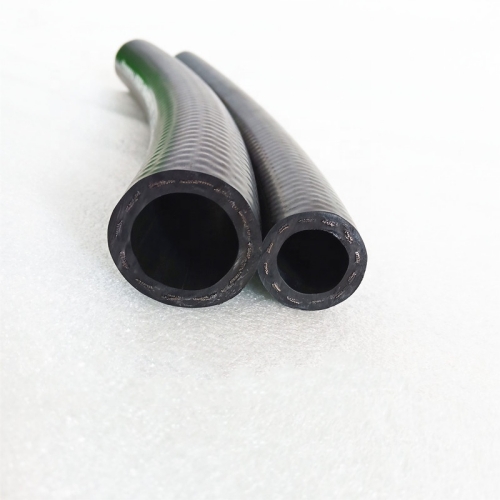
OEM 1/4 inch hydraulic hose represents a critical component in fluid power systems across a diverse range of industries, including construction, agriculture, manufacturing, and automotive. These hoses are engineered to transmit hydraulic fluid under significant pressure, facilitating the operation of machinery and equipment. The market for these hoses is driven by the demand for robust, reliable, and application-specific solutions. This guide provides an in-depth technical overview of OEM 1/4 inch hydraulic hoses, covering material science, manufacturing processes, performance characteristics, failure modes, and relevant industry standards. Unlike standard hydraulic hose offerings, OEM solutions necessitate close collaboration between hose manufacturers and equipment designers, demanding stringent adherence to specific dimensional, performance, and environmental requirements. Core performance metrics include pressure rating, burst pressure, temperature range, fluid compatibility, and bend radius. The increasing focus on safety and environmental regulations necessitates advanced hose constructions and materials designed to minimize leakage and extend service life.
Material Science & Manufacturing
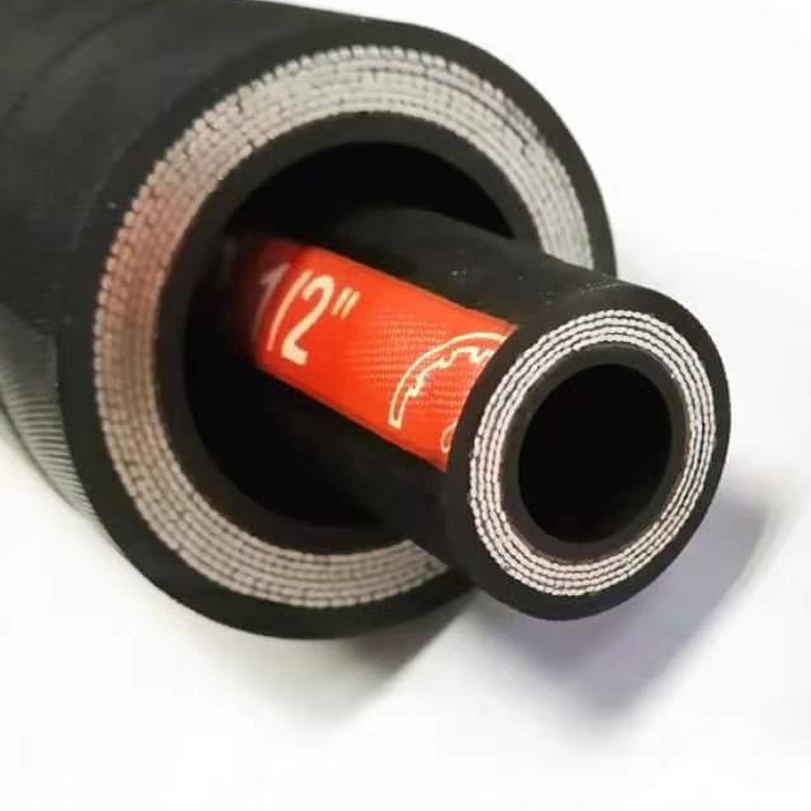
The core construction of a 1/4 inch hydraulic hose typically consists of four key layers: the inner tube, reinforcement layers, outer cover, and end fittings. The inner tube material is crucial for fluid compatibility and must resist degradation from the conveyed fluid. Common materials include nitrile rubber (NBR) for petroleum-based fluids, ethylene-propylene-diene monomer (EPDM) for phosphate ester fluids, and polytetrafluoroethylene (PTFE) for aggressive chemicals. Reinforcement layers provide the strength to withstand high pressures. These layers are traditionally composed of multiple braids of high-tensile steel wire, though synthetic fiber reinforcements (aramid, polyester) are increasingly used to reduce weight and improve flexibility. The outer cover protects the reinforcement layers from abrasion, weathering, and chemical exposure, commonly utilizing materials like synthetic rubber compounds (e.g., chloroprene). Manufacturing involves extrusion of the inner tube and outer cover, followed by winding or braiding of the reinforcement layers. Precise control of extrusion temperatures, braiding tension, and vulcanization parameters is critical. Vulcanization, a chemical process involving crosslinking rubber polymers with sulfur or peroxides, significantly influences the hose's elasticity, strength, and resistance to degradation. End fittings, crucial for secure connections, are typically manufactured from carbon steel or stainless steel and attached via crimping or swaging processes. Consistent adherence to stringent quality control procedures throughout the manufacturing process is paramount to ensuring hose integrity.
Performance & Engineering
The performance of a 1/4 inch hydraulic hose is dictated by several key engineering principles. Burst pressure, typically four times the working pressure, is determined by the tensile strength of the reinforcement layers and the adhesion between layers. Hose flexural fatigue resistance is critical in dynamic applications involving repeated bending. This is directly related to the reinforcement layer construction (number of braids, fiber type) and the outer cover material’s ability to resist cracking. Environmental resistance is another crucial factor. Exposure to ozone, UV radiation, and extreme temperatures can accelerate rubber degradation. Testing standards like SAE J517 specify performance requirements for various fluid types and temperature ranges. The bend radius, the minimum radius to which the hose can be bent without kinking or compromising flow, is a critical design consideration. Insufficient bend radius leads to localized stress concentration and premature failure. Furthermore, hose selection must consider fluid compatibility to prevent swelling, softening, or chemical attack of the inner tube. Static electricity buildup can be a concern in certain applications, necessitating the use of conductive materials in the hose construction to dissipate static charge. Proper hose routing and support systems are essential to minimize stress and extend service life.
Technical Specifications
| Parameter | Unit | Typical Value (SAE 100R4 Type) | Typical Value (SAE 100R2AT Type) |
|---|---|---|---|
| Inner Diameter | in | 0.25 | 0.25 |
| Working Pressure | psi | 1000 | 2000 |
| Burst Pressure | psi | 4000 | 8000 |
| Temperature Range | °F | -40 to 212 | -40 to 250 |
| Reinforcement | - | Single Steel Wire Braid | Dual Steel Wire Braids |
| Cover Compound | - | Synthetic Rubber (CRM) | Synthetic Rubber (CRM) |
| Minimum Bend Radius | in | 2.5 | 3 |
Failure Mode & Maintenance
Common failure modes for 1/4 inch hydraulic hoses include burst failures due to exceeding pressure limits, fatigue cracking from repeated bending, and leakage due to pinhole punctures or fitting failures. Fatigue cracking often initiates at points of high stress concentration, such as near fittings or at bend points. Abrasion of the outer cover can expose the reinforcement layers to corrosion, accelerating failure. Internal degradation of the inner tube can occur due to fluid incompatibility or aging, leading to swelling, softening, and eventual cracking. Fitting failures typically result from corrosion, improper crimping, or damage during installation. Preventative maintenance is crucial for maximizing hose lifespan. Regular visual inspections should be conducted to identify signs of abrasion, cracking, or leakage. Hose routing should be optimized to minimize bending and exposure to extreme temperatures or chemicals. Properly sized and installed fittings are essential. Fluid contamination can significantly reduce hose life; therefore, regular fluid filtration is recommended. When replacing a hose, it is crucial to use a hose assembly that meets or exceeds the original specifications. Incorrectly sized or rated hoses can lead to catastrophic failure. Documenting hose replacement dates and operating conditions aids in identifying recurring failure patterns and optimizing maintenance schedules.
Industry FAQ
Q: What is the difference between SAE 100R4 and SAE 100R2AT hydraulic hoses, and when should each be used?
A: SAE 100R4 hoses are constructed with a single steel wire braid and are suitable for general-purpose hydraulic applications with moderate pressure requirements (up to 1000 psi). SAE 100R2AT hoses feature two steel wire braids, providing significantly higher pressure capabilities (up to 2000 psi or higher) and improved flex fatigue resistance. R2AT hoses are recommended for demanding applications involving high pressures, dynamic bending, and elevated temperatures.
Q: How does temperature affect the performance and lifespan of a hydraulic hose?
A: Extreme temperatures, both high and low, can significantly impact hose performance. High temperatures accelerate rubber degradation, reducing elasticity and increasing the risk of cracking. Low temperatures can cause rubber to become brittle and less flexible. Exceeding the specified temperature range can lead to premature failure. Selecting a hose with a temperature rating appropriate for the operating environment is crucial.
Q: What are the common causes of hydraulic hose leakage, and how can they be prevented?
A: Common causes of leakage include fitting failures (corrosion, improper crimping), pinhole punctures in the inner tube (due to abrasion or internal degradation), and cracking of the outer cover. Prevention involves using high-quality fittings, ensuring proper crimping procedures, protecting hoses from abrasion, maintaining fluid cleanliness, and regular visual inspections.
Q: What is the importance of proper hose routing and support?
A: Proper hose routing minimizes bending and twisting, reducing stress concentration and extending hose life. Support systems (clamps, brackets) prevent hoses from sagging or rubbing against other components, protecting them from abrasion and damage. Incorrect routing can lead to premature failure and potential safety hazards.
Q: What safety precautions should be taken when working with hydraulic hoses?
A: Always de-pressurize the hydraulic system before disconnecting any hoses. Wear appropriate personal protective equipment (PPE), including safety glasses and gloves. Avoid exposing hoses to direct flame or high temperatures. Inspect hoses for damage before each use. Never attempt to repair a damaged hose; replace it immediately. Be aware of the potential for high-pressure fluid injection injuries.
Conclusion
OEM 1/4 inch hydraulic hoses are indispensable components in a wide array of hydraulic systems. Their performance and longevity are critically dependent upon careful material selection, precise manufacturing processes, and adherence to stringent engineering principles. Understanding the interplay between pressure ratings, temperature limitations, fluid compatibility, and failure modes is essential for ensuring optimal system reliability and safety.
As hydraulic systems become increasingly sophisticated and operate in more demanding environments, the need for advanced hose materials and designs will continue to grow. Future trends will likely focus on the development of lighter-weight, more flexible, and more durable hoses capable of withstanding extreme conditions and minimizing environmental impact. Continued investment in preventative maintenance and rigorous quality control practices remains paramount for maximizing hose lifespan and minimizing costly downtime.