
Apr . 01, 2024 17:55 Back to list
oem 1/4 hydraulic hose suppliers Performance Engineering
Introduction
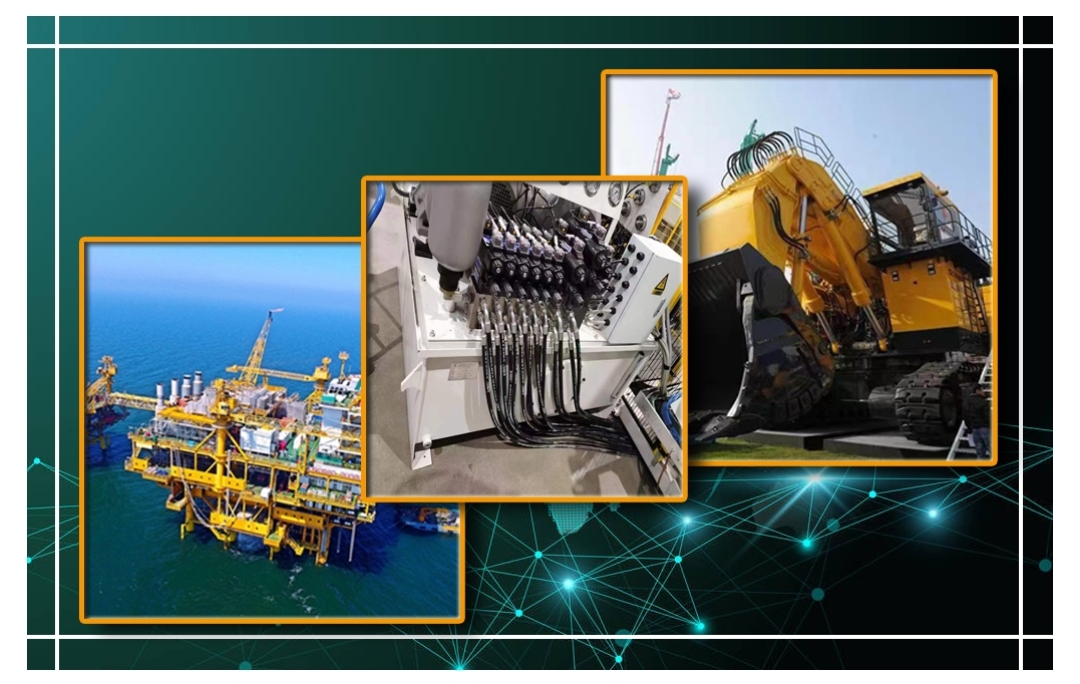
OEM 1/4 hydraulic hose suppliers provide critical components for fluid power systems across diverse industries, including construction, agriculture, manufacturing, and automotive. These hoses, characterized by their 1/4-inch internal diameter, are engineered to convey hydraulic fluid under substantial pressure, enabling the operation of hydraulic machinery. Their position within the industrial chain is fundamental – acting as the transmission artery of hydraulic power. Core performance characteristics revolve around pressure rating, burst pressure, temperature resistance, fluid compatibility, and dimensional accuracy. The selection of appropriate hose construction, reinforcement, and cover materials is paramount to ensuring system reliability and safety, particularly given the inherent risks associated with fluid leaks and hose failure. This guide provides a comprehensive technical overview of 1/4-inch hydraulic hose, encompassing material science, manufacturing processes, performance engineering, failure analysis, and industry standards.
Material Science & Manufacturing
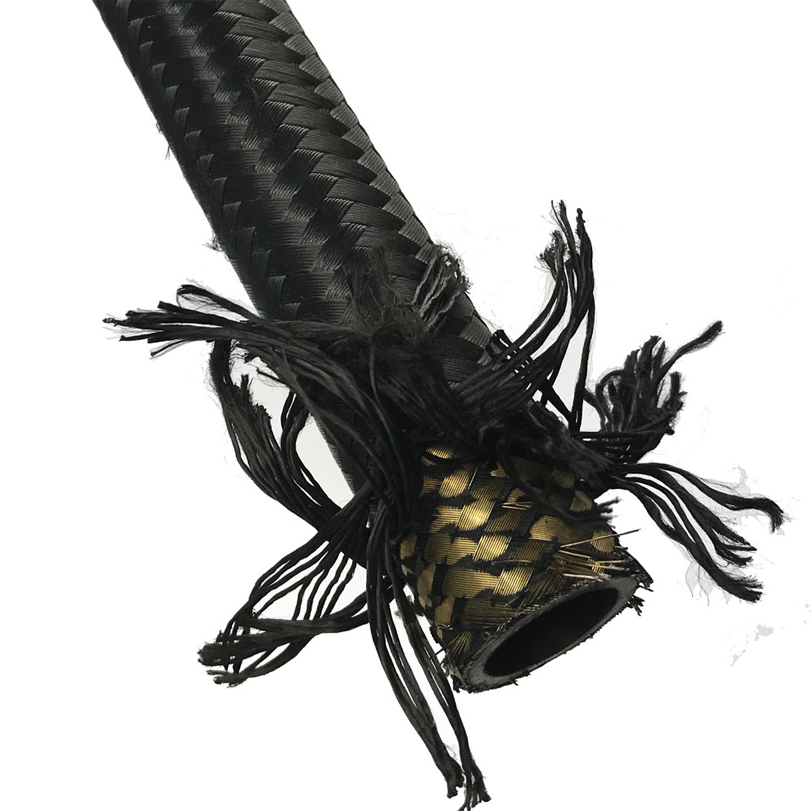
The core construction of a 1/4 hydraulic hose typically comprises an inner tube, reinforcement layers, and an outer cover. The inner tube is commonly composed of nitrile rubber (NBR), also known as Buna-N, due to its excellent resistance to petroleum-based hydraulic fluids, abrasion, and moderate temperatures (typically -40°C to 120°C). Alternative materials include chlorinated polyethylene (CPE) for improved ozone and weathering resistance, and fluoroelastomers (FKM/Viton) for extreme temperature and fluid compatibility requirements. The reinforcement layer dictates the hose’s pressure handling capacity. Common materials include one or multiple braids of high-strength steel wire, spiral-wound steel wire, and textile cord (typically polyester or aramid fiber). Steel wire reinforcement provides superior pressure resistance, while textile cord offers flexibility and kink resistance. The outer cover protects the reinforcement from abrasion, corrosion, and environmental degradation. Typical cover materials include synthetic rubber compounds like synthetic rubber (SBR), CPE, or polyurethane.
Manufacturing processes vary based on hose construction. Braided hoses are created by interlacing steel wires around the inner tube using a specialized braiding machine. Precise control of braid angle and wire tension is crucial for uniform pressure distribution. Spiral-wound hoses involve wrapping steel wire helically around the inner tube. The pitch of the spiral dictates the hose’s flexibility. Textile-reinforced hoses are manufactured by enveloping the inner tube with layers of impregnated textile cord. After reinforcement, the hose undergoes vulcanization – a process of cross-linking the rubber compounds using heat and pressure – to achieve desired mechanical properties. Quality control measures include dimensional checks, pressure testing (to burst pressure), and fluid compatibility testing. Extrusion processes are used for both inner tube and outer cover application, requiring careful monitoring of temperature, screw speed, and die pressure to ensure consistent wall thickness and material properties.
Performance & Engineering
The performance of a 1/4 hydraulic hose is governed by several key engineering principles. Force analysis is critical in determining the required reinforcement to withstand internal fluid pressure. The hoop stress in the hose wall, calculated using the thin-walled pressure vessel formula (σ = PD/2t, where σ is hoop stress, P is pressure, D is diameter, and t is wall thickness), dictates the minimum required wall thickness to prevent burst failure. Fatigue analysis is essential for predicting hose life under cyclic pressure loading. Factors influencing fatigue life include pressure amplitude, frequency, temperature, and material properties. Environmental resistance is also crucial. Exposure to UV radiation, ozone, and extreme temperatures can degrade the rubber compounds, reducing hose flexibility and increasing the risk of cracking.
Compliance requirements are stringent. SAE J517, a widely adopted standard, specifies performance requirements for hydraulic hoses, including pressure ratings, temperature ranges, and fluid compatibility. EN 853 and DIN EN 857 are equivalent European standards. In applications involving flammable fluids, hoses must meet static dissipation requirements to prevent static electricity buildup and potential ignition. The bend radius of the hose is a critical parameter; exceeding the minimum bend radius can cause kinking and internal damage. Proper hose routing and support are essential to minimize stress concentrations and prevent abrasion. The selection of fittings is equally important. Fittings must be compatible with the hose material and pressure rating, and properly crimped to ensure a leak-free connection.
Technical Specifications
| Parameter | Unit | Specification (Standard Grade) | Specification (High-Performance Grade) |
|---|---|---|---|
| Internal Diameter | inch | 0.25 | 0.25 |
| Working Pressure | psi | 2000 | 3000 |
| Burst Pressure | psi | 8000 | 12000 |
| Temperature Range | °F | -40 to 212 | -40 to 250 |
| Reinforcement | - | Single Steel Wire Braid | Double Steel Wire Braid |
| Cover Material | - | Synthetic Rubber (SBR) | Chlorinated Polyethylene (CPE) |
| Fluid Compatibility | - | Petroleum-based Hydraulic Fluids | Wide range including synthetic fluids |
Failure Mode & Maintenance
Common failure modes for 1/4 hydraulic hoses include burst failure due to exceeding the working pressure, fatigue cracking from cyclic loading, pinhole leaks resulting from abrasion or corrosion, and degradation of the rubber compounds from environmental exposure. Fatigue cracking typically initiates at stress concentration points, such as near fittings or bends. Delamination of the reinforcement layers can occur due to improper bonding during manufacturing or exposure to corrosive fluids. Oxidation of the rubber compounds leads to hardening and cracking, reducing hose flexibility and increasing the risk of failure. Internal abrasion can occur due to particulate contamination in the hydraulic fluid.
Preventive maintenance is critical. Regular visual inspections should be conducted to identify signs of damage, such as cracks, abrasions, or swelling. Hose routing should be checked to ensure proper support and prevent kinking. Hydraulic fluid should be regularly analyzed for contamination and fluid degradation. Hoses should be replaced on a predetermined schedule, based on operating conditions and manufacturer recommendations. When replacing a hose, ensure that the new hose has the same or higher pressure rating and temperature range as the original. Proper crimping of fittings is essential to prevent leaks and ensure a secure connection. Avoid twisting the hose during installation, as this can induce stress and reduce its service life.
Industry FAQ
Q: What is the impact of fluid velocity on hose life?
A: Higher fluid velocity increases internal friction and can lead to accelerated erosion of the inner tube, particularly if the fluid contains abrasive particles. It also increases pressure drop and can contribute to localized heating. Maintaining optimal fluid velocity, within the manufacturer’s recommended range, is crucial for maximizing hose life.
Q: How does temperature affect the pressure rating of a hydraulic hose?
A: Elevated temperatures generally reduce the pressure rating of a hydraulic hose. Rubber compounds lose strength and flexibility at higher temperatures, making the hose more susceptible to failure. The working pressure should be derated at elevated temperatures, according to the manufacturer’s specifications.
Q: What are the key considerations when selecting a hose cover material?
A: The cover material should be selected based on the operating environment and potential exposure to abrasive materials, chemicals, ozone, and UV radiation. CPE offers superior resistance to weathering and ozone compared to SBR. Polyurethane provides excellent abrasion resistance.
Q: What is the proper procedure for crimping hose fittings?
A: Proper crimping requires a calibrated crimping machine and the correct die set for the hose and fitting combination. The crimp should be even and secure, providing a leak-free connection. Under-crimping can lead to leaks, while over-crimping can damage the hose reinforcement.
Q: How important is hose routing and support?
A: Proper hose routing and support are vital to prevent kinking, abrasion, and excessive stress. Hoses should be routed away from hot surfaces, sharp edges, and moving parts. Support clamps should be used to secure the hose and prevent sagging.
Conclusion
The selection and maintenance of 1/4 hydraulic hoses are crucial for the reliable and safe operation of hydraulic systems. Understanding the underlying material science, manufacturing processes, and engineering principles allows for informed decision-making. Adherence to industry standards, such as SAE J517, is paramount. The degradation modes of these hoses are often subtle but can lead to catastrophic failure if ignored.
Future developments in hydraulic hose technology are focused on improving hose durability, reducing weight, and enhancing fluid compatibility. The use of advanced materials, such as thermoplastic polymers and composite reinforcements, is expected to become more prevalent. Smart hoses, incorporating sensors to monitor pressure, temperature, and fluid condition, are also under development, offering the potential for predictive maintenance and improved system performance.