
Apr . 01, 2024 17:55 Back to list
oem 1/4 hydraulic hose supplier Performance Analysis
Introduction
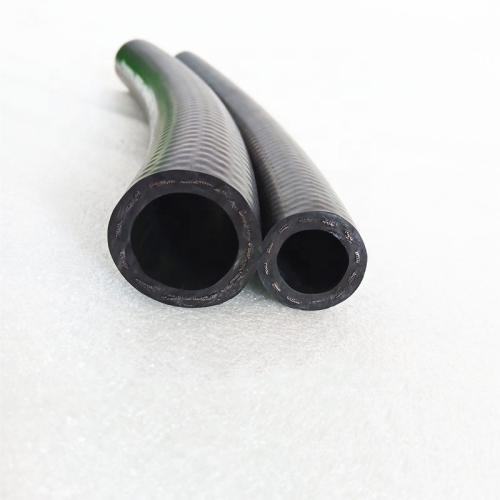
OEM 1/4 hydraulic hose represents a critical component in fluid power systems across numerous industries, including construction, agriculture, manufacturing, and automotive. These hoses are specifically designed to convey hydraulic fluid under high pressure, facilitating the transmission of power for operating machinery and equipment. The ‘1/4’ designation refers to the internal diameter, commonly measured in inches, influencing flow rate and pressure capacity. As an OEM (Original Equipment Manufacturer) supplier, the focus is on providing consistent quality, adherence to stringent specifications, and the ability to integrate seamlessly into larger systems. Core performance characteristics include burst pressure, working pressure, temperature range, and fluid compatibility. The selection of an appropriate 1/4 hydraulic hose hinges upon a thorough understanding of the application’s demands and the potential operating environment. Key industry pain points involve ensuring consistent material quality to prevent premature failure, managing cost-effectively without compromising performance, and maintaining traceability for quality control and regulatory compliance.
Material Science & Manufacturing
The core material for 1/4 hydraulic hose is typically a synthetic rubber compound, most commonly nitrile rubber (NBR) due to its excellent resistance to petroleum-based hydraulic fluids. Alternative materials include ethylene propylene diene monomer (EPDM) for phosphate ester fluids and fluorocarbon polymers (FKM/Viton) for high-temperature and aggressive chemical environments. Reinforcement layers are crucial for withstanding high pressures. These layers often consist of multiple plies of high-tensile strength steel wire, spirally wound or braided, providing the necessary burst strength. Inner tubes must exhibit low permeability to prevent fluid leakage and maintain system efficiency. Outer covers are commonly made of abrasion and weather-resistant synthetic rubbers like chloroprene (Neoprene) or polyurethane.
Manufacturing processes begin with the extrusion of the inner tube to the precise 1/4-inch internal diameter. This process demands tight control of temperature, pressure, and screw speed to ensure dimensional accuracy and consistent wall thickness. Subsequently, the reinforcement layers are applied, either through spiral winding or braiding. The spiral winding method generally provides higher pressure ratings for a given hose weight, while braiding offers greater flexibility. Following reinforcement, the outer cover is extruded over the assembly. Critical parameters during extrusion include die temperature, puller speed, and cooling rates to avoid defects such as voids or surface irregularities. Post-extrusion, hoses undergo rigorous testing, including hydrostatic pressure testing, impulse testing, and leak testing, to verify performance and identify any flaws. Quality control throughout the manufacturing process is paramount, demanding statistical process control (SPC) and adherence to ISO 9001 standards.
Performance & Engineering
The performance of a 1/4 hydraulic hose is governed by several key engineering principles. The primary concern is burst pressure, which is the maximum pressure the hose can withstand before failure. Working pressure is significantly lower, typically 50-75% of the burst pressure, to allow for a safety factor. Fatigue life is also critical, especially in applications with cyclical loading. Hose performance is directly related to the tensile strength and elasticity of the rubber compounds and the structural integrity of the reinforcement layers. Force analysis, based on thin-walled pressure vessel theory, is used to determine the required reinforcement configuration to achieve desired pressure ratings.
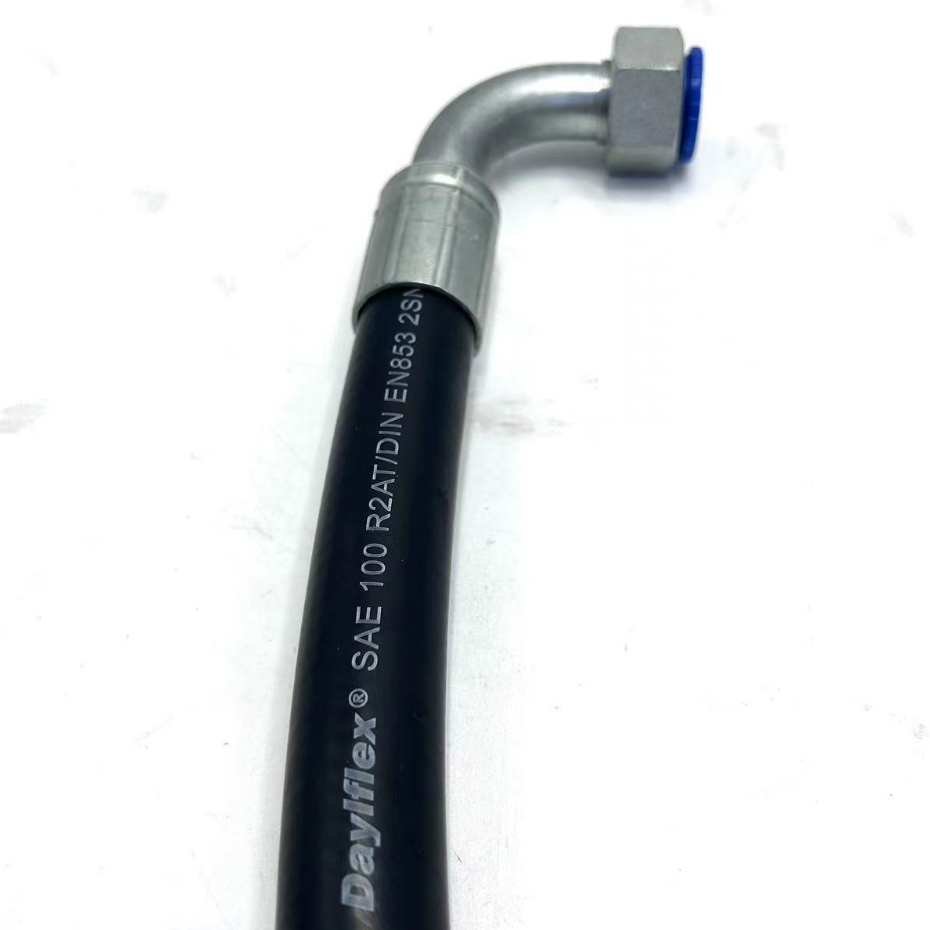
Environmental resistance is another crucial factor. Exposure to extreme temperatures, UV radiation, ozone, and corrosive fluids can degrade the rubber compounds, leading to premature failure. The selection of appropriate rubber materials is therefore paramount. Compliance requirements vary depending on the region and application. For example, SAE J517 specifies performance requirements for hydraulic hoses in North America, while EN 853 and EN 857 are relevant standards in Europe. Furthermore, fluid compatibility must be considered to prevent swelling, cracking, or dissolution of the rubber compounds. The hose’s bend radius is also an engineering consideration, as exceeding the minimum bend radius can induce stress concentrations and reduce fatigue life. Proper hose assembly, including the selection of appropriate fittings and crimping procedures, is essential for ensuring long-term reliability.
Technical Specifications
| Parameter | Unit | Typical Value (NBR Hose, Steel Wire Reinforcement) | Testing Standard |
|---|---|---|---|
| Internal Diameter | inch | 0.25 | SAE J1926 |
| Working Pressure | psi | 2000 | SAE J517 |
| Burst Pressure | psi | 8000 | SAE J517 |
| Temperature Range | °F | -40 to +212 | SAE J517 |
| Reinforcement Type | - | Spiral Wire | SAE J518 |
| Outer Cover Material | - | Chloroprene (Neoprene) | ASTM D2000 |
Failure Mode & Maintenance
Common failure modes for 1/4 hydraulic hoses include burst failure due to exceeding the working pressure, fatigue cracking from cyclical loading, pinhole leaks caused by abrasion or chemical attack, and fitting failures resulting from improper crimping or corrosion. Fatigue cracking often initiates at points of high stress concentration, such as near fittings or bends. Abrasion can damage the outer cover, exposing the reinforcement layers to corrosion. Internal degradation can occur due to fluid incompatibility, leading to swelling, cracking, or loss of elasticity of the inner tube. Oxidation, particularly in hoses exposed to high temperatures and oxygen, can also contribute to material degradation.
Preventive maintenance is crucial for extending hose life and preventing catastrophic failures. Regular visual inspections should be conducted to identify signs of wear, damage, or leaks. Hoses should be replaced if they exhibit any signs of cracking, bulging, or abrasion. Proper hose routing and support are essential to minimize stress and prevent chafing. Fluid cleanliness is also critical; contaminated hydraulic fluid can accelerate wear and damage hose components. Fittings should be inspected for corrosion and properly torqued. When replacing a hose, it is essential to use compatible fittings and follow the manufacturer’s recommended crimping procedures. Record keeping of hose replacement dates and failure analysis can aid in identifying recurring problems and improving maintenance practices.
Industry FAQ
Q: What is the impact of fluid velocity on the lifespan of a 1/4 hydraulic hose?
A: Higher fluid velocity increases erosion of the inner tube, particularly with fluids containing abrasive particles. This erosion can lead to pinhole leaks and premature failure. Selecting a hose with a larger internal diameter to reduce fluid velocity is recommended for high-flow applications.
Q: How does temperature affect the performance of a hydraulic hose?
A: Temperature extremes can significantly impact hose performance. High temperatures can accelerate material degradation and reduce burst pressure. Low temperatures can reduce flexibility and increase the risk of cracking. Selecting a hose with a temperature rating appropriate for the application is crucial.
Q: What is the correct procedure for crimping hose fittings?
A: Proper crimping is essential for a leak-free connection. The correct die size and crimp pressure must be used, as specified by the fitting manufacturer. Over-crimping can damage the hose reinforcement, while under-crimping can result in leakage. Using a calibrated crimping machine is highly recommended.
Q: What are the advantages of spiral-wound reinforcement over braided reinforcement?
A: Spiral-wound reinforcement generally provides higher pressure ratings and greater resistance to kinking compared to braided reinforcement. However, braided hoses are typically more flexible and easier to route in tight spaces.
Q: How important is the selection of the outer cover material?
A: The outer cover protects the reinforcement layers from abrasion, weathering, and chemical attack. Selecting a cover material appropriate for the operating environment is crucial for preventing premature failure. For example, a polyurethane cover offers superior abrasion resistance compared to neoprene.
Conclusion
The selection and application of OEM 1/4 hydraulic hose require a comprehensive understanding of material science, manufacturing processes, and engineering principles. Ensuring compatibility with the hydraulic fluid, operating pressure, and environmental conditions is paramount to maximizing hose lifespan and preventing costly failures. Adherence to industry standards like SAE, EN, and ASTM is non-negotiable for ensuring quality and safety.
Future trends in hydraulic hose technology focus on developing more durable materials, reducing weight, and enhancing performance in demanding applications. The implementation of advanced manufacturing techniques, such as automated braiding and extrusion, will further improve consistency and reduce production costs. Proactive maintenance practices and regular inspections remain vital for ensuring the long-term reliability of hydraulic systems.