
Apr . 01, 2024 17:55 Back to list
oem 1/4 hydraulic hose manufacturers Performance Analysis
Introduction
OEM 1/4 hydraulic hose represents a critical component within fluid power systems, serving as the conduit for transmitting hydraulic fluid to actuate machinery and perform work. These hoses, characterized by their 1/4-inch internal diameter, are frequently utilized in applications demanding moderate flow rates and pressures, spanning industries such as construction equipment, agricultural machinery, industrial manufacturing, and mobile hydraulics. The OEM designation indicates manufacture to specific client specifications, demanding rigorous quality control and adherence to precise tolerances. Core performance attributes include burst pressure, working pressure, temperature resistance, and fluid compatibility. A significant industry pain point centers around maintaining consistent hose performance in challenging operational environments – including exposure to abrasion, chemical attack, and extreme temperatures – while simultaneously minimizing weight and maximizing flexibility. The rise of electrically driven hydraulic systems further necessitates hoses capable of resisting exposure to dielectric fluids and preventing electrical conductivity.
Material Science & Manufacturing
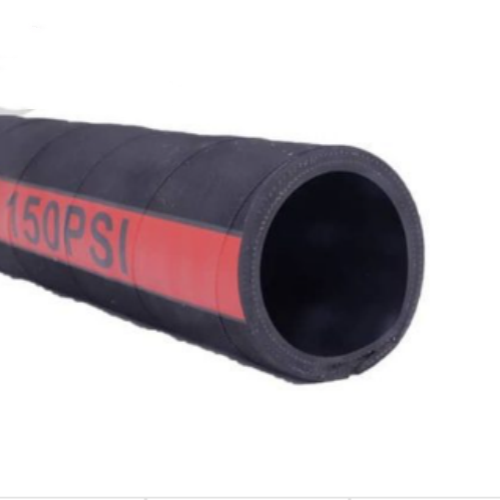
The construction of a 1/4 hydraulic hose typically involves four key layers: the inner tube, reinforcement layers, and the outer cover. The inner tube, in contact with the hydraulic fluid, is commonly composed of nitrile rubber (NBR), also known as Buna-N, due to its excellent resistance to petroleum-based oils, fuels, and water. Alternative materials include ethylene propylene diene monomer (EPDM) for phosphate ester fluids, and fluoropolymers (FKM, PTFE) for aggressive chemical environments. NBR’s tensile strength ranges from 15-25 MPa, while elongation at break typically falls between 300-500%. The reinforcement layer(s) provide the hose’s pressure-withstanding capability. Spiral-wound high-tensile steel wire is prevalent, offering superior strength-to-weight ratio. Braid reinforcement using synthetic fibers like polyester or aramid (Kevlar) is also common for applications requiring flexibility and lower burst pressures. Steel wire’s yield strength generally exceeds 1500 MPa. The outer cover provides environmental protection and abrasion resistance. Commonly employed materials include chloroprene rubber (CR) – offering good ozone and weathering resistance – and polyurethane (PU) for enhanced abrasion resistance. Manufacturing involves extrusion of the inner tube and outer cover, followed by the application of the reinforcement layer via winding or braiding. Critical parameters include maintaining consistent wall thickness during extrusion, ensuring proper wire tension during winding, and achieving robust adhesion between layers via vulcanization. Vulcanization, a chemical process involving sulfur, is precisely controlled for time, temperature, and pressure (typically 150-170°C for 15-30 minutes) to ensure optimal crosslinking and performance.
Performance & Engineering
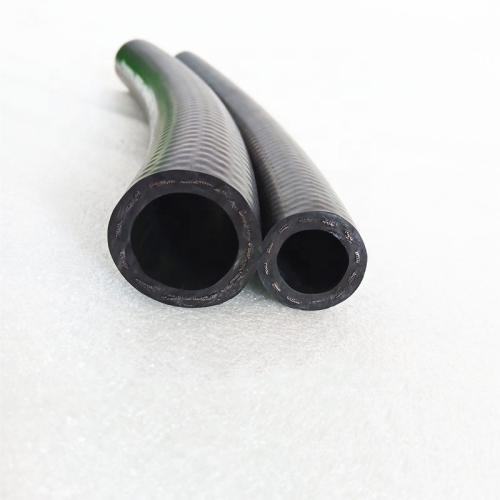
Hydraulic hose performance is governed by several key engineering principles. Burst pressure, the pressure at which the hose fails catastrophically, is a primary design consideration, typically exceeding the working pressure by a safety factor of 4:1. Working pressure represents the maximum continuous operating pressure. Hose fatigue life is crucial, especially in applications involving cyclic loading. Fatigue failure occurs due to repeated stress cycles, even below the yield strength, leading to crack initiation and propagation. Force analysis considers both internal fluid pressure, which creates hoop stress, and external bending loads, which induce flexural stress. The hose must withstand these combined stresses without exceeding its material limits. Environmental resistance is paramount; prolonged exposure to ozone, UV radiation, extreme temperatures (-40°C to +100°C is common), and corrosive fluids can degrade the hose material. Dielectric strength is increasingly important with the electrification of hydraulic systems; the hose must effectively insulate against electrical leakage. Compliance with industry standards, such as SAE J517 (Hydraulic Hose – Performance Specifications) and ISO 6899 (Rubber and plastics hoses and hose assemblies for hydraulic applications) is mandatory. Further, hydraulic systems are susceptible to fluid contamination, and hoses must be able to operate without degradation in the presence of particulate matter and water.
Technical Specifications
| Parameter | Unit | Specification (Typical) | Test Standard |
|---|---|---|---|
| Internal Diameter | inch | 0.25 | SAE J1926 |
| Working Pressure | psi | 2000 | SAE J517 |
| Burst Pressure | psi | 8000 | SAE J517 |
| Temperature Range | °F | -40 to +212 | SAE J517 |
| Reinforcement Type | - | Spiral Steel Wire | SAE J517 |
| Cover Material | - | Chloroprene Rubber (CR) | SAE J517 |
Failure Mode & Maintenance
Common failure modes in 1/4 hydraulic hoses include burst failure due to exceeding the working pressure, fatigue cracking from repeated bending and pulsation, abrasion damage from external contact, and degradation of the rubber material due to chemical attack or UV exposure. Pinholes can develop in the inner tube due to corrosion or manufacturing defects. A key failure analysis technique involves microscopic examination of the fracture surface to identify the root cause. Fatigue cracks typically exhibit ratchet marks, while burst failures show a more ductile fracture. Proper maintenance is crucial for extending hose life. Regular visual inspections should be conducted to check for signs of abrasion, cracking, or swelling. Hose assemblies should be routed to avoid sharp bends and contact with hot surfaces. Correct hose fittings must be used and properly tightened to prevent leaks. Fluid contamination should be minimized through the use of filters. If a hose shows any signs of damage, it should be replaced immediately. Periodic fluid analysis can identify contaminants and degradation products, allowing for proactive maintenance. Storage of hoses should be in a cool, dry, and dark environment to prevent material degradation.
Industry FAQ
Q: What is the impact of impulse pressure on hydraulic hose lifespan?
A: Impulse pressure, or pressure pulsations, significantly reduces hose lifespan. Each pulse creates a cyclic stress, contributing to fatigue failure. Hoses designed for high-impulse applications incorporate specialized reinforcement layers and construction techniques to mitigate this effect. Proper dampening of pressure spikes in the hydraulic system is also critical.
Q: How does chemical compatibility affect hose selection?
A: Chemical compatibility is paramount. Exposure to incompatible fluids can cause swelling, softening, or cracking of the inner tube, leading to leaks and failure. Always verify the hose material’s resistance to the specific hydraulic fluid being used, consulting chemical resistance charts provided by hose manufacturers.
Q: What are the critical considerations when selecting a hose fitting?
A: Correct fitting selection is crucial for preventing leaks and ensuring hose integrity. The fitting must be compatible with the hose material and rated for the same or higher pressure. Proper crimping is essential to create a secure connection between the hose and the fitting; inadequate crimping can lead to separation under pressure.
Q: What is the role of hose guards in protecting against abrasion?
A: Hose guards provide a protective layer against abrasion from external objects, extending hose lifespan in harsh environments. They are particularly important in applications where hoses are exposed to rubbing against machinery, sharp edges, or abrasive surfaces. The guard material should be compatible with the hose cover and offer adequate protection without restricting hose movement.
Q: What is the difference between a braided hose and a spiral wound hose?
A: Braided hoses utilize multiple layers of woven fibers for reinforcement, offering flexibility and moderate pressure ratings. Spiral-wound hoses employ a continuous helical wire, providing higher burst pressures and superior kink resistance. The choice depends on the application's pressure requirements and flexibility needs.
Conclusion
The selection and maintenance of OEM 1/4 hydraulic hoses require a thorough understanding of material science, manufacturing processes, and performance characteristics. Failure to account for factors such as pressure ratings, fluid compatibility, and environmental conditions can lead to premature failure and costly downtime. Prioritizing quality, employing proper installation techniques, and implementing regular inspection and maintenance programs are essential for maximizing hose lifespan and ensuring the reliability of hydraulic systems.
Looking ahead, advancements in hose technology are focused on developing materials with enhanced chemical resistance, improved abrasion resistance, and reduced weight. The integration of sensor technology into hoses to monitor pressure, temperature, and leakage is also emerging, enabling predictive maintenance and enhancing system safety. Continued adherence to international standards and best practices will be crucial for maintaining the integrity and performance of hydraulic hose systems in increasingly demanding applications.