
Apr . 01, 2024 17:55 Back to list
oem 1/4 hydraulic hose factory Performance Analysis
Introduction
OEM 1/4 hydraulic hose constitutes a critical component in fluid power systems, serving as a flexible conduit for the transmission of hydraulic fluid to actuators and other components. Its technical position within the industrial chain resides between the hydraulic fluid power unit (HPU) and the operational machinery, functioning as the pressure-bearing pathway. These hoses are integral to a diverse range of industries including construction, agriculture, manufacturing, and automotive. Core performance characteristics center around pressure rating, burst pressure, temperature resistance, and fluid compatibility. The 1/4-inch designation refers to the inner diameter, dictating flow rate capabilities. Maintaining consistent internal diameter and precise reinforcement layering are paramount for reliable operation. A key industry pain point is the variability in hose quality among suppliers, leading to premature failures and costly downtime. Another is ensuring compatibility with modern, increasingly specialized hydraulic fluids. This guide provides a comprehensive technical overview of OEM 1/4 hydraulic hoses, focusing on material science, manufacturing processes, performance parameters, failure modes, and relevant industry standards.
Material Science & Manufacturing
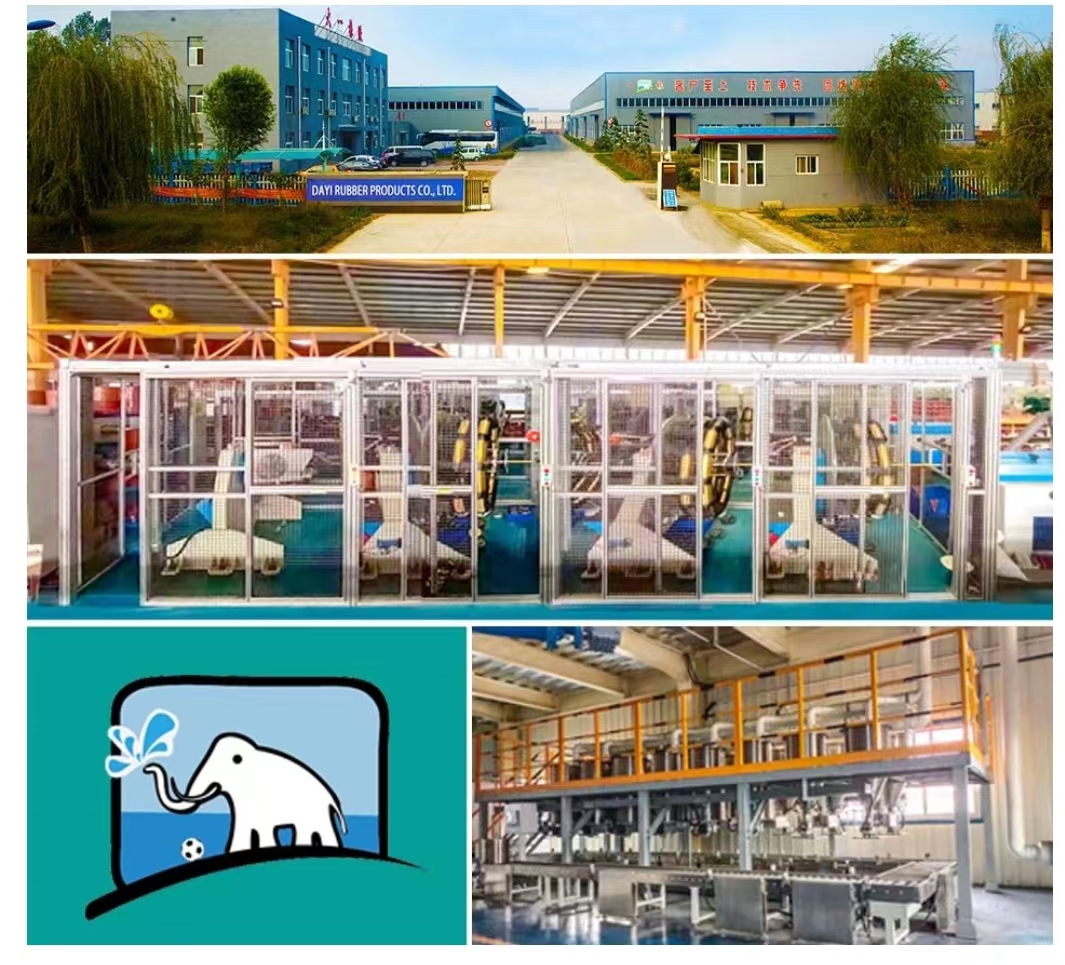
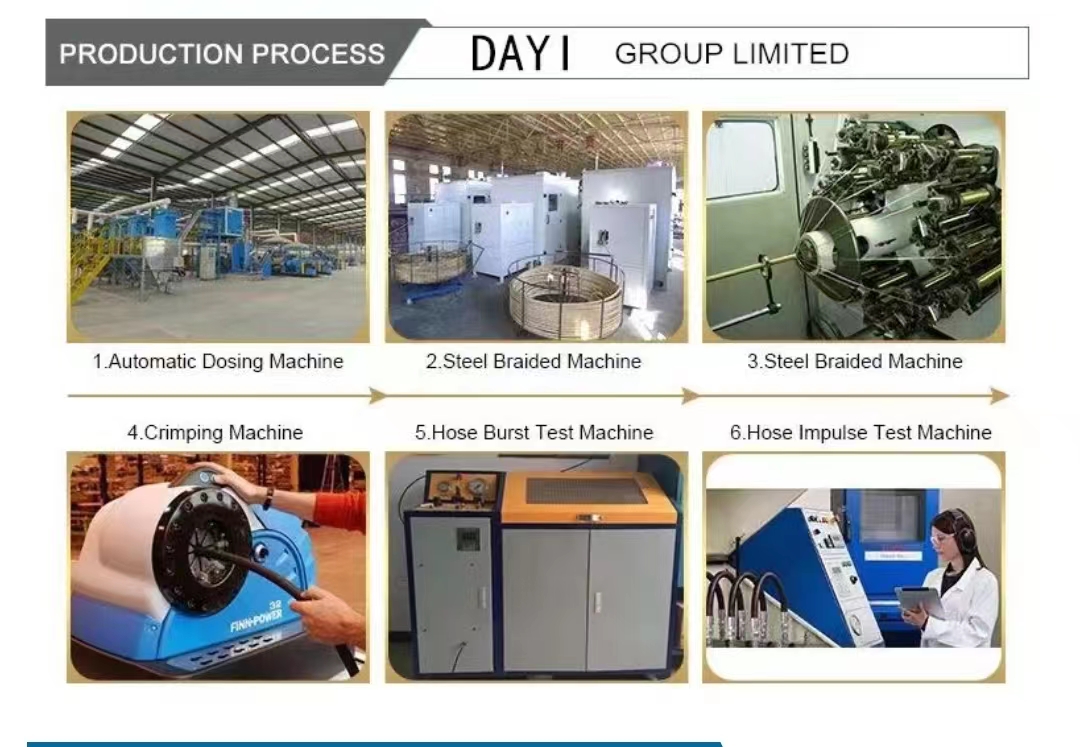
The construction of a 1/4 hydraulic hose typically involves four key layers: inner tube, reinforcement, outer cover, and often, a bonding layer between these components. The inner tube is commonly composed of synthetic rubbers like nitrile (NBR), chloroprene (CR, Neoprene), or ethylene propylene diene monomer (EPDM). NBR exhibits excellent resistance to petroleum-based hydraulic fluids, CR provides resistance to ozone and weathering, and EPDM offers superior high-temperature performance and compatibility with phosphate ester fluids. Reinforcement layers usually consist of one or more braids of high-tensile steel wire, providing the hose's pressure-bearing capacity. The number of braids directly correlates to the maximum working pressure. Some hoses utilize spiral-wound reinforcement of steel wire for higher pressure applications. The outer cover is typically made of synthetic rubber such as CR or polyurethane, providing abrasion, ozone, and weathering resistance. Manufacturing processes involve extrusion of the inner tube and outer cover, followed by braid application (either spirally or braided), and final vulcanization. Precise control of extrusion temperatures, braid tension, and vulcanization time are critical parameters. Vulcanization, a chemical process using heat and sulfur, cross-links the rubber polymers, enhancing its elasticity, strength, and resistance to degradation. Proper bonding between layers is achieved through adhesive application and controlled vulcanization. Quality control at each stage includes dimensional checks, pressure testing, and material analysis to ensure conformity to specifications. A significant manufacturing challenge is maintaining concentricity – ensuring the inner tube is perfectly centered within the reinforcement layers – as eccentricity increases stress concentration and reduces hose lifespan.
Performance & Engineering
The performance of a 1/4 hydraulic hose is governed by a complex interplay of internal pressure, external loads (bending, twisting, and axial tension), fluid velocity, and temperature. Force analysis involves calculating hoop stress in the hose wall due to internal pressure, which is directly proportional to the pressure and radius, and inversely proportional to the wall thickness. Reinforcement layers counteract this stress, preventing hose rupture. Bending radius is a critical engineering parameter; exceeding the minimum bend radius causes kinking, restricting flow and inducing premature failure. Twisting induces torsional stress, leading to fatigue and potential separation of layers. Environmental resistance encompasses exposure to ozone, UV radiation, temperature extremes, and chemical attack. Chemical compatibility is paramount; incompatible fluids can cause swelling, softening, or degradation of the inner tube, leading to leaks and system failure. Compliance requirements dictate adherence to safety standards such as ISO 6899 (Hydraulic hoses – Requirements for reinforcement), SAE J517 (Performance characteristics of hydraulic hoses), and EN 853 (Steel wire for the reinforcement of rubber hoses). Functional implementation relies on proper fitting selection and installation. Fittings must be compatible with the hose material and pressure rating, and properly crimped to ensure a leak-proof seal. Improper crimping can lead to fitting slippage or hose blowout. Impulse pressure, caused by the pulsating nature of hydraulic systems, generates cyclic stresses that contribute to fatigue failure. Hose guarding and sleeves are often used to provide additional protection against abrasion, impact, and chemical exposure.
Technical Specifications
| Parameter | Unit | Specification Range (Typical) | Test Standard |
|---|---|---|---|
| Inner Diameter | inch | 0.25 ± 0.005 | SAE J1926 |
| Working Pressure | psi | 500 – 3000 | SAE J517 |
| Burst Pressure | psi | 1500 – 9000 | SAE J517 |
| Temperature Range | °F | -40 to +212 | SAE J517 |
| Reinforcement Type | - | 1-wire braid, 2-wire braid, Spiral Wire | ISO 6899 |
| Cover Material | - | CR (Chloroprene), Polyurethane | ASTM D2000 |
Failure Mode & Maintenance
Common failure modes for 1/4 hydraulic hoses include: 1) Fatigue Cracking: Initiated by cyclic stress from pressure pulsations and bending, often occurring near the fitting. 2) Abrasion: External damage to the cover, leading to exposure of reinforcement layers and eventual failure. 3) Pinholes: Small leaks caused by corrosion or damage to the inner tube. 4) Blowout: Sudden rupture of the hose due to exceeding the working pressure or a defect in the reinforcement. 5) Kinking: Restricting flow and inducing stress concentration at the kinked area. 6) Delamination: Separation of layers due to poor bonding or chemical attack. 7) Oxidation/Degradation: Breakdown of the rubber material due to exposure to ozone, UV radiation, or high temperatures. Preventive maintenance is crucial. Regular visual inspections should be conducted to identify abrasion, cracking, or leaks. Hose should be replaced if any signs of damage are detected. Proper routing and support are essential to minimize bending and abrasion. Fluid cleanliness is critical; contamination can accelerate wear and damage. Hose should be periodically pressure tested to verify its integrity. Correct fitting selection and crimping are vital to prevent leaks and blowouts. Avoid sharp bends and excessive twisting. Maintaining a log of hose replacement dates and operating conditions can help identify potential systemic issues. Correct storage, shielded from UV radiation and extreme temperatures, prolongs service life.
Industry FAQ
Q: What is the impact of fluid velocity on hose life?
A: Higher fluid velocity increases pressure drop and generates more heat, which can accelerate degradation of the inner tube. Excessive velocity can also cause erosion and cavitation, leading to premature failure. Proper hose sizing is crucial to maintain acceptable fluid velocity within the recommended range.
Q: How does the type of hydraulic fluid affect hose selection?
A: Different hydraulic fluids have varying chemical properties. It’s vital to select a hose inner tube material that is compatible with the specific fluid being used. For example, phosphate ester fluids require EPDM inner tubes, while petroleum-based fluids are typically compatible with NBR.
Q: What is the significance of hose layline markings?
A: Layline markings provide critical information about the hose manufacturer, manufacturing date, working pressure, and fluid compatibility. These markings are essential for traceability and proper hose identification during maintenance and replacement.
Q: Can a damaged outer cover be repaired, or does the hose need replacing?
A: A damaged outer cover compromises the hose’s protection against abrasion and environmental factors. While minor abrasion may be acceptable, any penetration of the cover exposing the reinforcement layers requires immediate hose replacement. Repairs are generally not recommended as they can compromise the hose’s structural integrity.
Q: What are the best practices for hose storage to maximize its lifespan?
A: Hoses should be stored in a cool, dry, and dark environment, away from direct sunlight, ozone sources (e.g., electric motors), and extreme temperatures. Hoses should be stored coiled loosely to avoid kinking and should be protected from physical damage. Avoid storing hoses in contact with incompatible materials.
Conclusion
The OEM 1/4 hydraulic hose represents a foundational element in countless hydraulic systems. Understanding its material composition, manufacturing processes, and performance characteristics is paramount for ensuring system reliability and longevity. Proper selection, installation, and maintenance, guided by industry standards and best practices, are vital for mitigating failure modes and maximizing hose lifespan.
Continued advancements in hose technology focus on developing materials with improved chemical resistance, higher pressure ratings, and enhanced durability. The integration of smart hose technologies, incorporating sensors for pressure and temperature monitoring, is emerging as a future trend, enabling predictive maintenance and minimizing downtime. Prioritizing quality and adherence to stringent specifications remains the cornerstone of reliable hydraulic system operation.