
Apr . 01, 2024 17:55 Back to list
oem 1/4 hydraulic hose factories Performance Analysis
Introduction
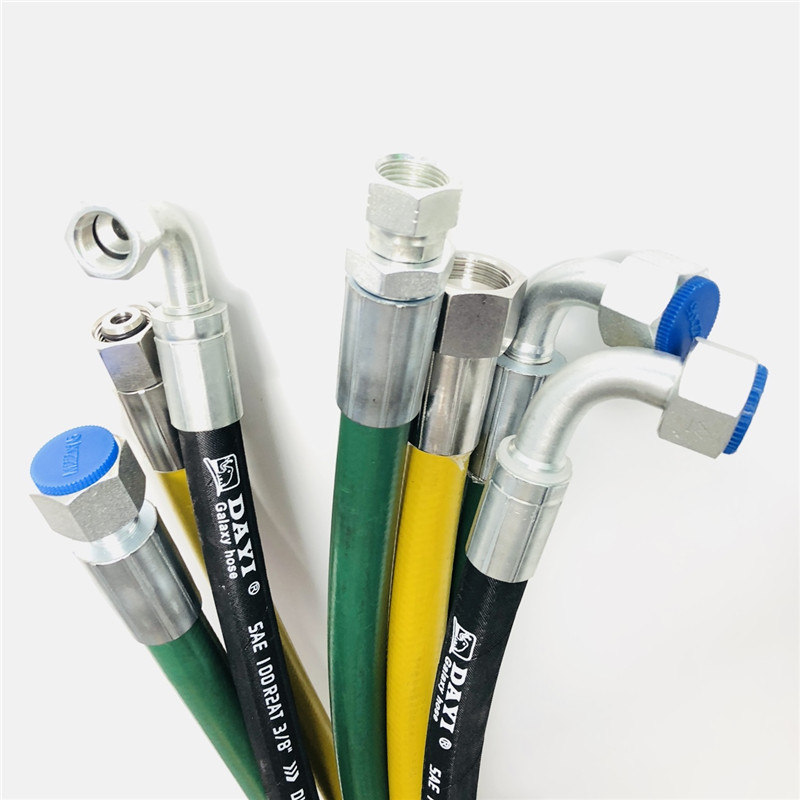
OEM 1/4 hydraulic hose factories represent a critical tier in the fluid power industry supply chain, specializing in the manufacturing of hoses with a 1/4-inch bore diameter. These hoses are integral components in a vast array of applications, including industrial machinery, agricultural equipment, construction vehicles, and automotive systems. Their primary function is to safely and efficiently transmit hydraulic fluid under pressure, enabling power transmission and control. This guide provides an in-depth technical overview of the materials, manufacturing processes, performance characteristics, failure modes, and industry standards related to these hoses. The 1/4-inch size denotes an internal diameter, influencing flow rate and pressure capability, making it a common selection for moderate-duty applications where space constraints are a factor. The "OEM" designation highlights that these factories primarily supply original equipment manufacturers, demanding consistent quality and adherence to precise specifications. Core performance metrics revolve around pressure rating, burst pressure, temperature resistance, and fluid compatibility.
Material Science & Manufacturing
The construction of a 1/4 hydraulic hose involves several key material components. The inner tube, responsible for fluid containment, is typically composed of a synthetic rubber compound, most commonly nitrile rubber (NBR) due to its excellent resistance to petroleum-based hydraulic fluids. Alternative materials include ethylene propylene diene monomer (EPDM) for phosphate ester fluids and fluorocarbon (FKM/Viton) for highly aggressive fluids and elevated temperatures. Reinforcement layers provide the hose's pressure-withstanding capability. These layers usually consist of one or more braids of high-tensile steel wire, offering substantial strength. Aramid fiber reinforcement is also used in certain applications for improved flexibility and reduced weight, but typically with lower pressure ratings than steel. The outer cover, providing environmental protection, is generally made from synthetic rubber such as chloroprene (Neoprene) or polyurethane, offering resistance to abrasion, ozone, UV radiation, and oil.
Manufacturing typically begins with extrusion of the inner tube to the specified 1/4-inch diameter and wall thickness. The reinforcement layers are then spirally wound or braided onto the inner tube. Precise tension control during braiding is crucial to ensure uniform pressure resistance. Following reinforcement, the outer cover is extruded over the assembly. Curing (vulcanization) is a critical process where the rubber compounds are heated under pressure to crosslink the polymer chains, imparting elasticity, strength, and chemical resistance. Parameter control during curing – temperature, time, and pressure – directly affects the hose’s final properties. End fittings, often crimped onto the hose, are manufactured separately from steel or stainless steel. Crimping utilizes specialized machinery to create a secure, leak-proof connection between the hose and the fitting. Non-destructive testing, including pressure testing and dimensional inspection, is performed to verify quality control.
Performance & Engineering
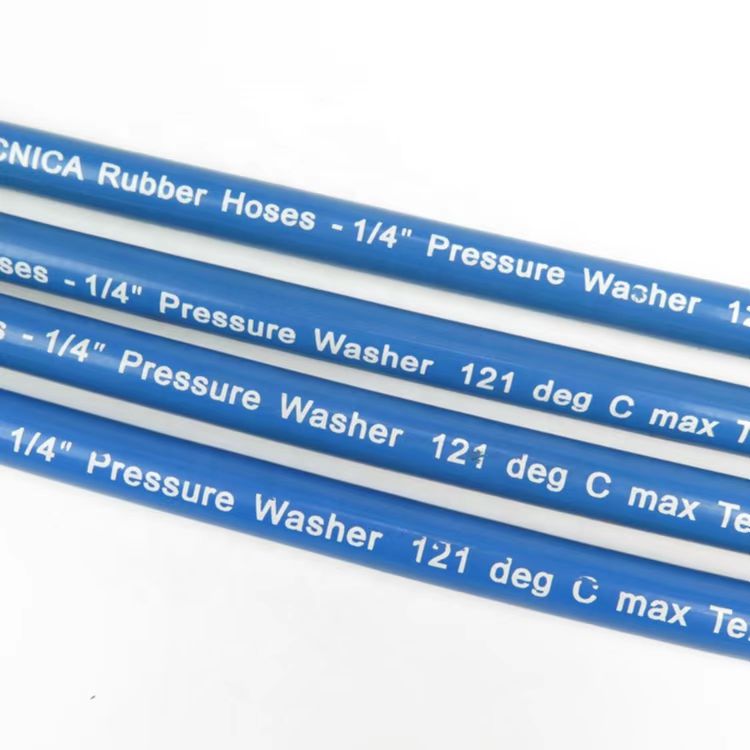
The performance of a 1/4 hydraulic hose is dictated by a complex interplay of engineering factors. Burst pressure, the maximum pressure the hose can withstand before failure, is paramount. This is directly related to the reinforcement material, braid angle, and hose diameter. Working pressure is typically a fraction (safety factor) of the burst pressure, dictated by industry standards (e.g., a 4:1 safety factor is common). Hose flexibility, determined by the reinforcement type and cover compound, influences its routability and resistance to kinking. Temperature resistance is critical, as hydraulic fluid temperatures can fluctuate significantly. The rubber compounds used must maintain their elasticity and strength within the operating temperature range. Fluid compatibility is also vital; incompatible fluids can cause swelling, softening, or degradation of the inner tube, leading to leaks and failure.
Force analysis during hose operation involves evaluating internal pressure forces exerted radially on the hose wall, tensile forces resulting from bending, and axial forces due to pressure and fitting loads. Finite element analysis (FEA) is frequently employed during the design phase to optimize hose construction and predict stress distribution. Environmental resistance necessitates consideration of ozone exposure, UV degradation, and chemical exposure. The hose cover material must provide adequate protection against these factors. Compliance requirements, such as those stipulated by SAE International (J517, J1926) and EN standards, govern hose performance, testing procedures, and labeling.
Technical Specifications
| Parameter | Unit | Typical Value (NBR Inner Tube, Steel Wire Reinforcement) | Alternative Value (EPDM Inner Tube, Aramid Reinforcement) |
|---|---|---|---|
| Inner Diameter | inch | 0.25 | 0.25 |
| Working Pressure | psi | 2000 | 1200 |
| Burst Pressure | psi | 8000 | 4800 |
| Temperature Range | °F | -40 to 212 | -40 to 250 |
| Reinforcement Type | - | Steel Wire Braid (4SP) | Aramid Fiber Braid (2SP) |
| Outer Diameter | inch | 0.50 | 0.45 |
Failure Mode & Maintenance
Failure modes in 1/4 hydraulic hoses are diverse. Fatigue cracking, resulting from repeated bending and pressure cycling, is a common cause of failure, particularly at the hose ends. Delamination, separation of the reinforcement layers from the inner tube or outer cover, can occur due to improper curing or material incompatibility. Extrusion failure, characterized by the inner tube extruding through the reinforcement, is often caused by excessive pressure or damaged reinforcement. Oxidation and ozone cracking, affecting the outer cover, lead to brittleness and eventual failure. Abrasion, from contact with abrasive surfaces, damages the outer cover, exposing the reinforcement to corrosion. Chemical degradation occurs when incompatible fluids attack the rubber compounds.
Preventive maintenance is crucial for extending hose life. Regular visual inspections should be conducted to identify any signs of damage, such as cracks, abrasions, or leaks. Hose routing should be optimized to minimize bending and avoid sharp angles. Properly sized and installed guards should protect hoses from abrasion and impact. Fluid contamination should be prevented through the use of filters and regular fluid analysis. Hoses should be replaced at recommended intervals or when signs of degradation are observed. When replacing hoses, ensure compatibility with the hydraulic fluid and operating conditions. Crimping procedures must adhere to manufacturer's specifications to ensure a secure connection between the hose and fitting. Incorrect installation and operation are major contributing factors to premature failure.
Industry FAQ
Q: What is the significance of the SAE J517 standard for hydraulic hose selection?
A: SAE J517 is a crucial standard outlining the performance characteristics and testing procedures for hydraulic hoses. It categorizes hoses based on pressure ratings, temperature ranges, and fluid compatibility. Utilizing J517 ensures the selected hose is appropriate for the specific application, preventing premature failure and safety hazards. It provides a common reference for manufacturers and end-users, promoting interoperability and quality control.
Q: How does the reinforcement material affect the hose’s flexibility and pressure rating?
A: Steel wire reinforcement provides high pressure ratings but typically results in lower flexibility. Aramid fiber reinforcement offers superior flexibility and reduced weight but generally has lower pressure ratings compared to steel. The braid angle also plays a role: a steeper braid angle increases pressure capability but reduces flexibility, and vice versa. The choice of reinforcement depends on the application’s priorities.
Q: What are the potential consequences of using an incompatible hydraulic fluid with the hose material?
A: Using an incompatible fluid can lead to swelling, softening, or degradation of the inner tube, causing leaks and a reduction in the hose’s pressure rating. Certain fluids can also attack the reinforcement material, leading to corrosion and eventual failure. It’s essential to consult fluid compatibility charts and select a hose with an inner tube material specifically designed for the intended fluid.
Q: How important is proper crimping of the hose fittings, and what are the potential issues with improper crimping?
A: Proper crimping is paramount for creating a leak-proof and reliable connection between the hose and fitting. Improper crimping—either too loose or too tight—can lead to leaks, blowouts, or hose slippage. Too loose a crimp allows fluid to escape, while too tight a crimp can damage the hose reinforcement, reducing its pressure capability. Dedicated crimping machines and calibrated dies are essential.
Q: What are some best practices for storing hydraulic hoses to prevent premature degradation?
A: Hydraulic hoses should be stored in a cool, dry, and dark environment, away from direct sunlight, ozone sources, and extreme temperatures. They should be stored in a coiled position to minimize stress. Avoid storing hoses in contact with incompatible materials. Regularly inspect stored hoses for signs of degradation before use. Ideally, hoses should be stored in their original packaging or protected with covers.
Conclusion
The selection and maintenance of OEM 1/4 hydraulic hoses require a thorough understanding of material science, manufacturing processes, and performance characteristics. Choosing the right hose – based on pressure requirements, fluid compatibility, temperature range, and application demands – is critical for ensuring system reliability and safety. Rigorous adherence to industry standards, coupled with preventative maintenance practices, will maximize hose lifespan and minimize the risk of failure.
Future advancements in hydraulic hose technology will likely focus on developing lighter-weight materials, improved abrasion resistance, and enhanced fluid compatibility. The integration of sensor technology within hoses could also enable real-time monitoring of pressure, temperature, and degradation levels, facilitating proactive maintenance and preventing catastrophic failures. Continuous improvement in manufacturing techniques, such as precision extrusion and automated braiding, will contribute to greater consistency and quality control.