
Apr . 01, 2024 17:55 Back to list
oem 1/4 3/8 air hose suppliers Performance Analysis
Introduction
OEM 1/4” and 3/8” air hoses represent a critical component in pneumatic systems across diverse industrial applications, including manufacturing, construction, automotive repair, and more. These hoses facilitate the delivery of compressed air to power tools, machinery, and automated equipment. The selection criteria for these hoses extend beyond simple diameter and length, encompassing material composition, pressure rating, temperature resistance, and compliance with stringent safety regulations. Suppliers focusing on OEM provision must demonstrate a deep understanding of these parameters and a commitment to consistent quality control. The primary challenge for end-users lies in identifying a hose that can withstand the specific operational demands of their application, mitigating potential failures that can lead to costly downtime and safety hazards. This guide provides a comprehensive technical overview of these air hoses, covering material science, manufacturing processes, performance characteristics, failure modes, and relevant industry standards, specifically geared towards procurement and engineering professionals.
Material Science & Manufacturing
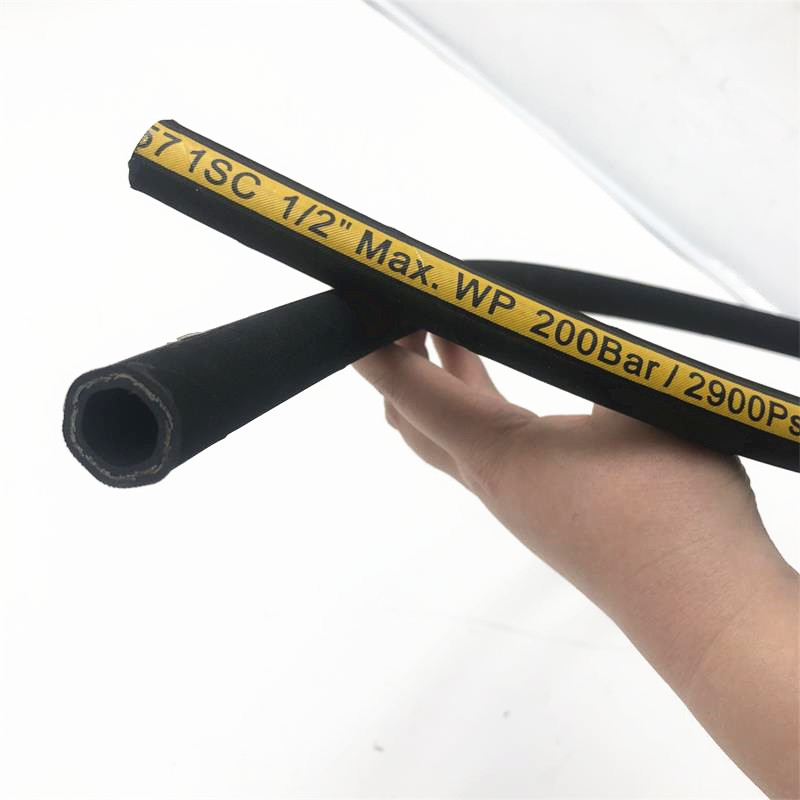
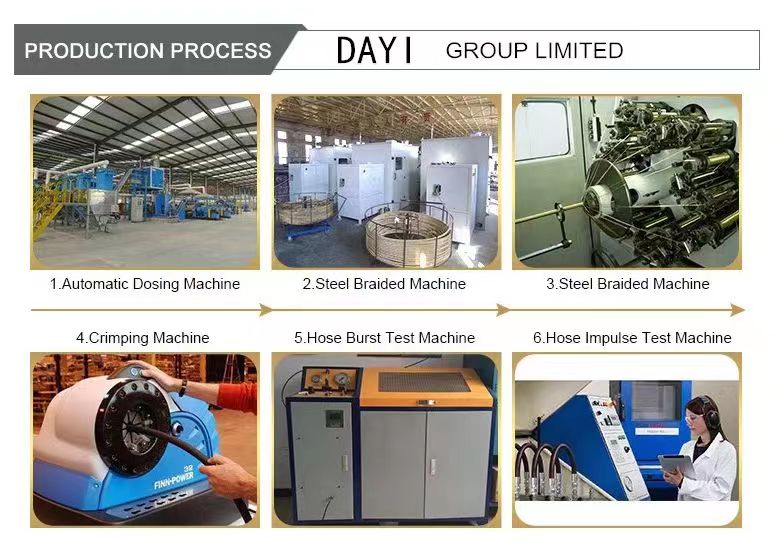
The core material for most 1/4” and 3/8” air hoses is a reinforced rubber compound. Common rubber formulations include Nitrile Rubber (NBR), Synthetic Rubber (SBR), and Polyurethane (PU). NBR offers excellent resistance to oil, fuel, and abrasion, making it suitable for automotive and industrial environments. SBR provides good all-purpose performance at a lower cost, but exhibits lower oil resistance. PU hoses demonstrate superior abrasion resistance, flexibility, and kink resistance, often employed in demanding applications where hose lifespan is paramount. The reinforcement layer is crucial for withstanding internal pressure. Common reinforcement materials include textile braiding (typically polyester or nylon) and wire spiraling (steel or high-tensile steel alloys). Textile braiding provides flexibility and moderate pressure resistance, while wire spiraling offers significantly higher pressure handling capabilities. Manufacturing typically involves an extrusion process where the rubber compound is forced through a die to create the hose body. The reinforcement layer is applied simultaneously or in a separate step. Key process parameters include extrusion temperature, screw speed, die geometry, and braid tension. Precise control of these parameters is vital to ensure consistent wall thickness, proper reinforcement integration, and freedom from defects such as voids or blisters. Post-extrusion processes often include vulcanization (curing) to crosslink the rubber molecules, enhancing its strength, elasticity, and temperature resistance. Quality control includes pressure testing, burst testing, and visual inspection for surface imperfections.
Performance & Engineering
Air hose performance is governed by several critical engineering parameters. Burst pressure, typically measured in PSI (pounds per square inch), defines the maximum pressure the hose can withstand before catastrophic failure. Working pressure is a fraction of the burst pressure, usually specified as a 4:1 safety factor. Tensile strength, measured in MPa (megapascals), indicates the hose's resistance to stretching and tearing. Elongation at break reflects the hose’s ductility. Environmental resistance is also a critical factor. Exposure to ozone, UV radiation, and extreme temperatures can degrade the rubber compound, reducing its flexibility and strength. Hose flexibility, quantified by bend radius, influences maneuverability and ease of use. Kink resistance is important to maintain consistent airflow. Furthermore, electrostatic dissipative (ESD) properties are crucial in environments where static discharge could pose a hazard, such as flammable material handling. Force analysis during operation involves consideration of internal pressure, bending stresses, and external loads. Finite element analysis (FEA) is often employed to simulate stress distribution and optimize hose design for specific applications. Compliance with industry standards, such as those outlined by the Rubber Manufacturers Association (RMA), is essential for ensuring product safety and performance.
Technical Specifications
| Parameter | 1/4” Air Hose (Typical) | 3/8” Air Hose (Typical) | Unit |
|---|---|---|---|
| Inner Diameter | 6.35 | 9.52 | mm |
| Outer Diameter | 10.2 | 13.8 | mm |
| Working Pressure | 300 | 300 | PSI |
| Burst Pressure | 1200 | 1200 | PSI |
| Tensile Strength | 15 | 18 | MPa |
| Temperature Range | -40 to +80 | -40 to +80 | °C |
| Material | NBR/PVC Blend | NBR/PVC Blend | - |
Failure Mode & Maintenance
Common failure modes for air hoses include burst failure due to exceeding the working pressure, cracking due to fatigue or ozone degradation, leaking at fittings due to improper installation or wear, and kinking leading to airflow restriction. Fatigue cracking often initiates at stress concentration points, such as near fittings or areas of localized bending. Ozone cracking manifests as surface fissures caused by the reaction of ozone with unsaturated bonds in the rubber compound. Abrasion can wear away the outer cover, exposing the reinforcement layer and eventually leading to failure. Internal corrosion, while less common, can occur if the compressed air is contaminated with moisture or corrosive substances. Maintenance procedures should include regular visual inspection for cracks, abrasions, and leaks. Fittings should be tightened periodically to prevent air loss. Hoses should be stored in a cool, dry place away from direct sunlight and ozone sources. When replacing a hose, ensure the new hose has a pressure rating equal to or greater than the original. Avoid sharp bends and kinks during operation. A preventative maintenance schedule, including routine pressure testing, can significantly extend hose lifespan and minimize the risk of unexpected failures. Proper hose handling and storage are crucial for maximizing performance and ensuring safety.
Industry FAQ
Q: What is the significance of the reinforcement layer in an air hose?
A: The reinforcement layer is critical for withstanding the internal pressure of the compressed air. Without adequate reinforcement, the hose would burst under pressure. The type of reinforcement (textile braid or wire spiral) dictates the maximum allowable pressure. Wire spiraling provides significantly higher pressure resistance than textile braiding, but also reduces flexibility.
Q: How does temperature affect air hose performance?
A: Extreme temperatures can degrade the rubber compound. High temperatures can cause the rubber to soften and lose elasticity, while low temperatures can make it brittle and prone to cracking. Maintaining the hose within its specified temperature range is essential for optimal performance and longevity.
Q: What is the difference between NBR and PU hoses?
A: NBR hoses offer good oil resistance and general-purpose performance, while PU hoses excel in abrasion resistance, flexibility, and kink resistance. PU hoses are generally more expensive but provide a longer lifespan in demanding applications.
Q: How can I prevent hose kinking?
A: Select a hose with a larger bend radius for applications requiring frequent bending. Avoid sharp bends during installation and operation. Use hose supports to prevent sagging and kinking. Consider a hose with anti-kink features, such as a spiral reinforcement.
Q: What safety standards should I consider when selecting an air hose?
A: Compliance with RMA standards (Rubber Manufacturers Association) is crucial. Also consider standards related to ESD (Electrostatic Dissipative) properties if working in hazardous environments. Ensure the hose is appropriately rated for the maximum pressure of your pneumatic system.
Conclusion
The selection of appropriate OEM 1/4” and 3/8” air hoses is a complex process requiring a thorough understanding of material science, engineering principles, and industry standards. Ignoring critical parameters like burst pressure, temperature resistance, and environmental compatibility can lead to premature failure, costly downtime, and potential safety risks. Prioritizing quality construction, selecting the correct rubber compound and reinforcement materials, and implementing a robust preventative maintenance program are all essential for maximizing hose lifespan and ensuring reliable operation.
Future advancements in air hose technology will likely focus on developing more durable and lightweight materials, incorporating smart sensors for real-time monitoring of hose condition, and enhancing resistance to emerging environmental threats. Continued adherence to industry standards and a commitment to rigorous testing will be vital for maintaining the safety and performance of these critical components in pneumatic systems.