
Apr . 01, 2024 17:55 Back to list
oem 1/4 3/8 air hose manufacturer Performance Analysis
Introduction
OEM 1/4” and 3/8” air hoses are critical components within pneumatic systems utilized across a diverse range of industrial and commercial applications. These hoses serve as flexible conduits for compressed air, facilitating the operation of power tools, automated machinery, and various pneumatic equipment. Their technical position within the industry chain falls between the compressed air source (compressor) and the end-use pneumatic device. Core performance characteristics are defined by working pressure, burst pressure, temperature resistance, flexibility, and chemical compatibility. The selection of an appropriate air hose is paramount to ensure system efficiency, operator safety, and the prevention of costly downtime. OEM supply dictates adherence to stringent quality control standards, focusing on dimensional accuracy, material consistency, and performance validation to meet specific customer requirements within larger manufacturing processes. Increasingly, the industry focuses on lightweight construction, enhanced abrasion resistance, and compliance with evolving environmental regulations regarding phthalate content and volatile organic compound (VOC) emissions.
Material Science & Manufacturing
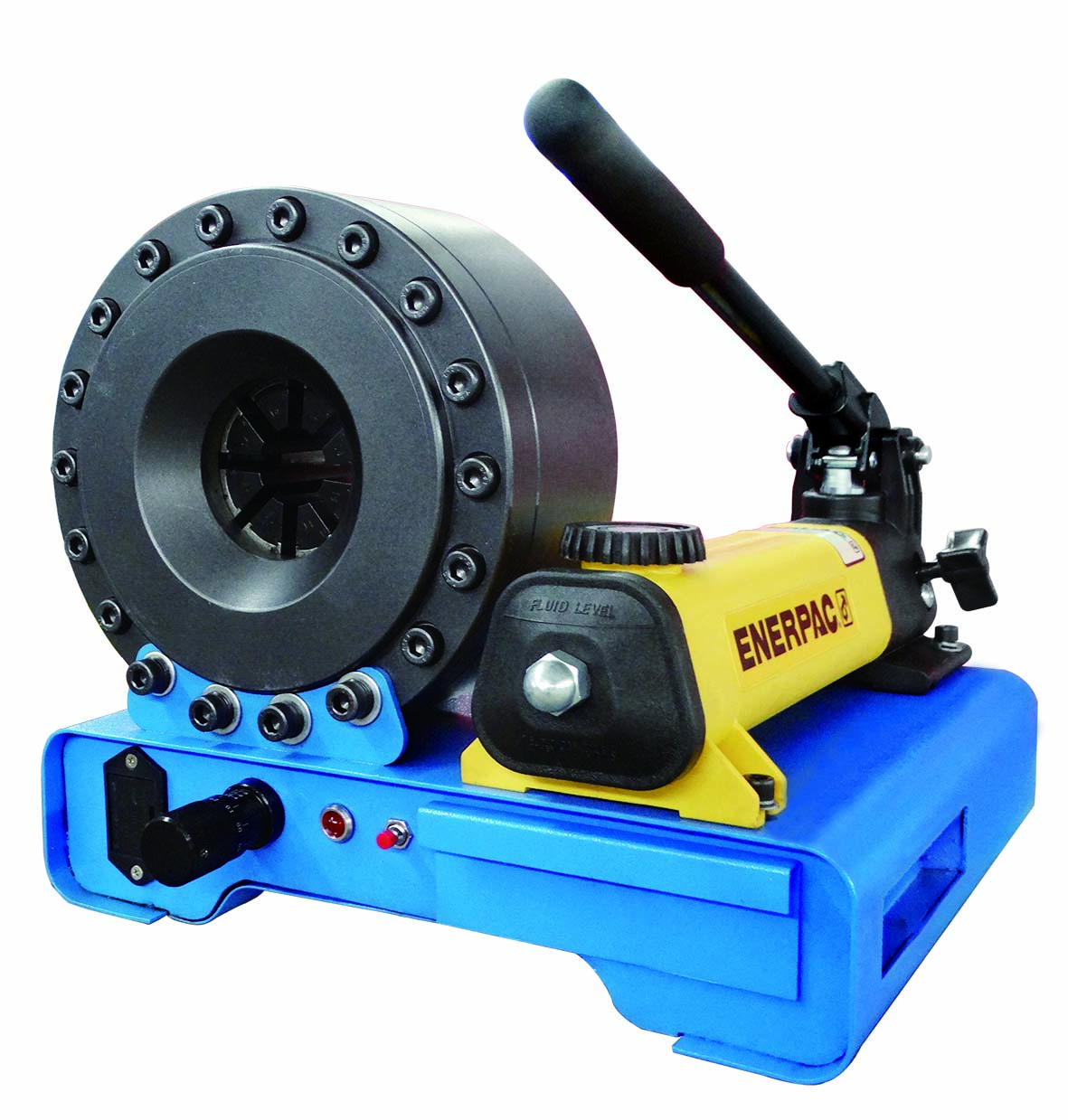
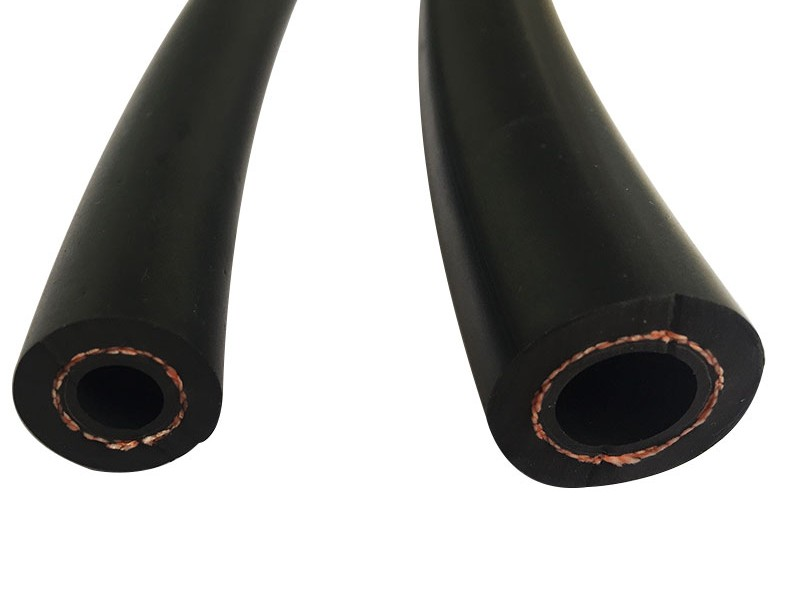
The predominant material used in OEM 1/4” and 3/8” air hose construction is thermoplastic rubber (TPR), primarily Polyvinyl Chloride (PVC) compounds blended with plasticizers and stabilizers. PVC provides cost-effectiveness and acceptable flexibility, though newer formulations incorporate thermoplastic polyurethane (TPU) for superior abrasion resistance and low-temperature performance. Reinforcement layers are crucial for withstanding internal pressure. Braiding is commonly achieved using high-tensile polyester yarn, offering a balance between strength, flexibility, and cost. The number of plies (layers of braiding) directly correlates with the hose’s working and burst pressure capabilities. Manufacturing processes begin with raw material compounding, meticulously blending PVC resin, plasticizers (often phthalates, though alternatives like DOTP are gaining traction), stabilizers (to prevent UV degradation and thermal decomposition), and colorants. Extrusion is the core forming process, where the compound is heated and forced through a die to create the hose’s inner and outer layers. Braiding is applied continuously during or immediately following extrusion. Critical parameters during extrusion include melt temperature (typically 180-210°C for PVC), die pressure, and cooling rate. Post-extrusion processes involve quality inspection, dimensional verification, and pressure testing. Quality control necessitates rigorous monitoring of material batch consistency, ensuring adherence to specifications regarding tensile strength, elongation at break, and hardness (measured using Shore A durometer). Chemical compatibility testing, particularly with common industrial fluids, is also essential. The end fittings (couplings) are typically crimped onto the hose using specialized machinery, requiring precise calibration to ensure a secure and leak-proof connection.
Performance & Engineering
Air hose performance is dictated by several key engineering principles. Burst pressure is a critical safety parameter, representing the maximum pressure the hose can withstand before rupture. Working pressure is significantly lower, typically 1/4 of the burst pressure, and represents the safe operating limit. Hose flexibility is vital for ease of use and maneuverability, influencing the bending radius – a smaller radius indicates greater flexibility. Tensile strength, measured in MPa, determines the hose’s resistance to stretching and tearing under load. Environmental resistance encompasses factors such as temperature range (minimum and maximum operating temperatures), UV resistance (preventing degradation from sunlight exposure), and resistance to oil, chemicals, and abrasion. Force analysis reveals that internal pressure creates hoop stress within the hose wall, necessitating robust reinforcement layers. Fatigue resistance is paramount, as repeated flexing and pressure cycling can lead to material failure. Compliance requirements vary depending on the target market. In North America, hoses must comply with OSHA regulations regarding workplace safety. In Europe, the Pressure Equipment Directive (PED) may apply depending on the hose’s pressure rating and intended application. Finite Element Analysis (FEA) is frequently used during the design phase to simulate stress distribution and optimize hose geometry for maximum performance and durability. Abrasion resistance is often enhanced through the use of textured outer covers or the incorporation of specialized polymers like TPU.
Technical Specifications
| Parameter | 1/4" Air Hose | 3/8" Air Hose | Unit |
|---|---|---|---|
| Inner Diameter | 6.35 | 9.52 | mm |
| Outer Diameter | 10.2 | 12.7 | mm |
| Working Pressure | 9 | 12 | bar |
| Burst Pressure | 36 | 48 | bar |
| Tensile Strength | 15 | 20 | MPa |
| Temperature Range | -40 to +60 | -40 to +60 | °C |
| Material | PVC/TPR | PVC/TPR | - |
Failure Mode & Maintenance
Common failure modes in OEM 1/4” and 3/8” air hoses include fatigue cracking (initiated by repeated flexing, particularly near fittings), abrasion (caused by contact with rough surfaces), kinking (restricting airflow and potentially leading to structural damage), and permeation (loss of air pressure through the hose wall). Chemical attack from exposure to oils, solvents, or corrosive substances can also degrade the hose material, leading to swelling, cracking, and eventual failure. Oxidation, primarily due to UV exposure, causes the PVC to become brittle and lose its flexibility. Delamination, the separation of layers within the hose construction, often results from poor bonding during manufacturing or prolonged exposure to extreme temperatures. Maintenance primarily involves visual inspection for signs of wear and damage, including cracks, abrasions, kinks, and swelling. Regularly check fittings for secure attachment and leaks. Avoid exposing the hose to extreme temperatures, sharp objects, or incompatible chemicals. Proper storage is crucial; hoses should be coiled loosely and stored in a cool, dry place away from direct sunlight. If damage is detected, the hose should be immediately removed from service and replaced. Preventative maintenance programs incorporating scheduled inspections and replacement cycles are essential in critical applications. Proper hose handling, avoiding sharp bends and excessive stretching, will significantly extend service life. When discarding hoses, adhere to local regulations regarding PVC recycling or disposal.
Industry FAQ
Q: What is the difference between PVC and TPU air hose construction, and when would I choose one over the other?
A: PVC offers a cost-effective solution for general-purpose applications, providing adequate flexibility and pressure resistance. TPU, however, exhibits superior abrasion resistance, low-temperature flexibility (remaining pliable in colder environments), and resistance to oils and chemicals. Choose TPU when the hose is exposed to harsh conditions, frequent abrasion, or extreme temperatures. TPU hoses typically have a higher initial cost but offer a longer service life in demanding applications.
Q: How does the number of reinforcement plies affect the hose's performance?
A: Increasing the number of reinforcement plies (typically polyester braiding) directly increases the hose’s working and burst pressure capabilities. More plies provide greater structural support to withstand internal pressure. However, adding more plies also reduces flexibility and increases the hose’s weight and cost.
Q: What is the impact of phthalate plasticizers in PVC hoses, and are there alternatives?
A: Phthalates are commonly used as plasticizers in PVC to enhance flexibility. However, they have raised environmental and health concerns. Alternatives, such as DOTP (dioctyl terephthalate), are increasingly being used as safer and more sustainable plasticizers. DOTP offers comparable performance to phthalates with reduced toxicity.
Q: How important is proper fitting crimping, and what can go wrong if it's not done correctly?
A: Proper fitting crimping is absolutely critical for a secure and leak-proof connection. Under-crimping can lead to the fitting slipping off under pressure, resulting in a dangerous disconnect. Over-crimping can damage the hose, creating a weak point that can lead to failure. Calibrated crimping machines and trained technicians are essential to ensure consistent and reliable crimping.
Q: What standards should I look for to ensure the air hose meets safety requirements?
A: Relevant standards include ISO 4413 (pneumatic fluid power – general rules relating to systems), and EN ISO 6899 (air hoses for pneumatic applications). Depending on the region, OSHA regulations (US) and similar workplace safety standards may also apply. Look for hoses that are clearly marked with their working pressure, burst pressure, and relevant certification markings.
Conclusion
OEM 1/4” and 3/8” air hoses are engineered components with performance characteristics fundamentally tied to material science, manufacturing precision, and adherence to industry standards. Selecting the appropriate hose requires careful consideration of application-specific factors such as pressure requirements, temperature range, chemical exposure, and abrasion potential. Understanding the potential failure modes and implementing a proactive maintenance program are essential for ensuring operational safety and minimizing downtime.
The continued evolution of air hose technology is driven by the demand for lighter-weight materials, enhanced durability, and environmentally responsible formulations. The shift towards phthalate-free plasticizers and the increasing adoption of TPU demonstrate a commitment to sustainability and worker safety. Future developments will likely focus on incorporating smart technologies, such as embedded sensors for pressure monitoring and leak detection, further enhancing the reliability and efficiency of pneumatic systems.