
Apr . 01, 2024 17:55 Back to list
oem 1/4 3/8 air hose factories Performance Engineering

Introduction
OEM 1/4” and 3/8” air hose factories represent a critical segment within the broader pneumatic systems industry. These facilities specialize in the manufacture of flexible hoses designed to transmit compressed air to a wide range of tools and equipment. The technical position of these hoses lies between the air compressor and the end-use application, functioning as the vital conduit for power. Core performance characteristics center around maintaining consistent airflow at specified pressures, resisting kinking and abrasion, and ensuring operator safety. The industry currently faces challenges relating to material cost volatility, increasing demand for lightweight and flexible hoses, and stringent environmental regulations regarding phthalate content and manufacturing processes. The market demands hoses capable of withstanding diverse operational environments, from construction sites and automotive repair shops to food processing plants, requiring specialized material formulations and construction techniques.
Material Science & Manufacturing
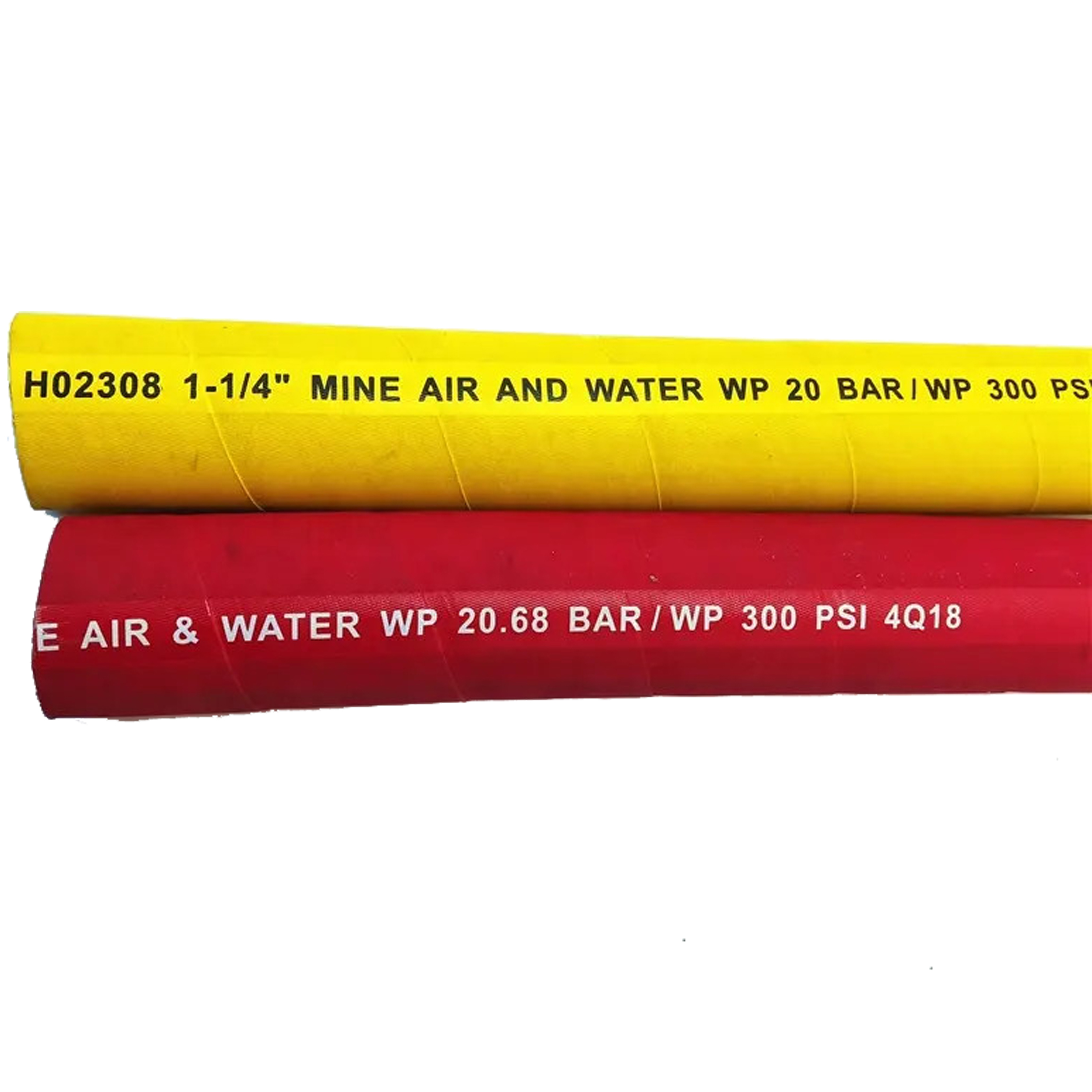
The primary material for OEM 1/4” and 3/8” air hoses is typically a synthetic rubber compound, most commonly Polyvinyl Chloride (PVC) or a blend of PVC with other polymers like Polyurethane (PU). PVC offers excellent abrasion resistance and cost-effectiveness, but can become brittle at low temperatures. PU provides superior flexibility and low-temperature performance but is generally more expensive. Reinforcement is crucial; braided polyester or nylon cord provides tensile strength and prevents bursting. The manufacturing process generally involves extrusion. The rubber compound is heated and forced through a die to create the hose tube. This is followed by the braiding process, where the reinforcement fibers are woven around the tube. A secondary extrusion layer often encapsulates the braid for added protection. Critical parameters during extrusion include temperature control (to ensure consistent material viscosity and avoid degradation), die pressure (affecting wall thickness and dimensional accuracy), and cooling rate (impacting material properties). Post-extrusion processes include cutting to length, fitting attachment (using crimping or swaging techniques), and quality control inspections focusing on burst pressure, dimensional accuracy, and material composition. Chemical compatibility with oils, solvents, and other potential contaminants is also assessed. Phthalate plasticizers, previously common in PVC hoses, are increasingly restricted due to health concerns, driving a shift towards phthalate-free formulations.
Performance & Engineering
Performance of air hoses is dictated by several engineering principles. Burst pressure, a critical safety parameter, is determined by the tensile strength of the reinforcement material and the wall thickness of the hose. It’s calculated using the Barlow’s formula: P = (2 S t) / D, where P is burst pressure, S is tensile strength, t is wall thickness, and D is the inner diameter. Flexibility is governed by the material’s modulus of elasticity and the hose’s construction. Kinking resistance relies on the hose’s ability to withstand bending stresses without collapsing the internal diameter, significantly impacting airflow. Environmental resistance involves assessing the hose’s behavior under varying temperatures (affecting material flexibility and degradation), exposure to UV radiation (leading to polymer breakdown), and chemical exposure (causing swelling, cracking, or leaching). Compliance requirements often include adherence to OSHA safety standards for compressed air systems, ensuring the hose can safely handle maximum operating pressures. The hose must also comply with regulations regarding hazardous substance content (e.g., REACH, RoHS). Force analysis during dynamic use (e.g., dragging the hose across a rough surface) highlights the importance of abrasion resistance and impact strength.
Technical Specifications
| Parameter | 1/4" Air Hose (Typical) | 3/8" Air Hose (Typical) | Unit |
|---|---|---|---|
| Inner Diameter | 6.35 | 9.53 | mm |
| Outer Diameter | 10.2 | 12.7 | mm |
| Working Pressure | 90 | 120 | PSI |
| Burst Pressure | 360 | 480 | PSI |
| Tensile Strength (Reinforcement) | 750 | 900 | PSI |
| Minimum Bending Radius | 40 | 50 | mm |
| Temperature Range | -40 to +60 | -40 to +60 | °C |
Failure Mode & Maintenance
Common failure modes for OEM 1/4” and 3/8” air hoses include fatigue cracking (caused by repeated flexing and pressure cycles, often initiating at the connection points), abrasion (resulting from contact with rough surfaces), kinking (leading to reduced airflow and potential hose rupture), and degradation due to UV exposure or chemical attack. Delamination, or separation of the rubber layers, can occur due to poor adhesion during manufacturing or exposure to harsh chemicals. Oxidation of the rubber compound can lead to hardening and cracking, particularly in older hoses. Preventative maintenance includes regular visual inspections for signs of wear, abrasion, or cracking. Hoses should be stored in a cool, dry place away from direct sunlight and chemicals. Proper connection techniques are essential to prevent leakage and premature failure at the fittings. Crimping or swaging fittings should be performed correctly to ensure a secure and leak-proof seal. If a hose shows signs of damage, it should be immediately removed from service and replaced. Implementing a hose management system, including regular inspections and replacement schedules, is crucial for maintaining safety and operational efficiency. Avoiding sharp bends and excessive stretching during use will also prolong the hose’s lifespan.
Industry FAQ
Q: What is the impact of phthalate regulations on air hose manufacturing?
A: Phthalate regulations, such as REACH in Europe and similar legislation elsewhere, have significantly impacted air hose manufacturing. Traditionally, phthalates were used as plasticizers to increase the flexibility of PVC. However, due to health concerns, these substances are now restricted or banned in many applications. This has driven manufacturers to adopt alternative plasticizers, such as DINP or DOTP, or to switch to alternative materials like TPU or PU, which don't require phthalates. The shift often results in higher material costs, requiring manufacturers to optimize their formulations and processes.
Q: How does the reinforcement material affect the hose's performance?
A: The reinforcement material is crucial for determining the hose's burst pressure and tensile strength. Polyester and nylon are common choices, with nylon generally offering higher strength. The weave pattern of the reinforcement also plays a role; a tighter weave provides greater strength but can reduce flexibility. The quantity of reinforcement layers directly influences the burst pressure – more layers equate to a higher pressure rating. Proper adhesion between the reinforcement and the rubber compound is vital; poor adhesion can lead to delamination and premature failure.
Q: What are the key considerations when selecting a hose for a specific application?
A: Key considerations include the operating pressure, temperature range, chemical exposure, and abrasion resistance required for the application. If the hose will be used in a cold environment, a material with good low-temperature flexibility, such as PU, is essential. If it will be exposed to oils or solvents, a chemically resistant rubber compound should be chosen. For applications involving abrasive materials, a hose with a robust outer layer is necessary. The inner diameter must be appropriate for the required airflow rate.
Q: How does temperature affect the performance and lifespan of air hoses?
A: Temperature significantly impacts the performance and lifespan of air hoses. High temperatures can cause the rubber compound to soften and degrade, reducing its strength and flexibility. Low temperatures can cause the material to become brittle and crack. Repeated temperature cycling can accelerate these degradation processes. The specified temperature range for a hose should always be observed. UV exposure, often occurring with higher temperatures, exacerbates degradation by breaking down polymer chains.
Q: What quality control tests are typically performed on air hoses during manufacturing?
A: Common quality control tests include burst pressure testing (to verify the hose can withstand its rated pressure), leak testing (to ensure a leak-proof seal), dimensional accuracy checks (to confirm the hose meets specified diameter tolerances), tensile strength testing of the reinforcement, and abrasion resistance testing. Material composition analysis is also performed to ensure compliance with regulations regarding phthalate content and other hazardous substances. Visual inspections are conducted throughout the manufacturing process to identify any defects or imperfections.
Conclusion
OEM 1/4” and 3/8” air hose manufacturing is a complex process demanding careful consideration of material science, engineering principles, and regulatory compliance. Ensuring optimal performance and longevity requires selecting the appropriate materials for the intended application, implementing stringent quality control measures throughout the manufacturing process, and adhering to industry best practices for maintenance and safety. The ongoing shift towards phthalate-free formulations and increased demand for high-performance, durable hoses represent key trends driving innovation within the industry.
Future developments are likely to focus on advanced materials with enhanced abrasion resistance, improved flexibility at extreme temperatures, and reduced environmental impact. Smart hose technologies incorporating sensors for pressure monitoring and leak detection may also emerge, enhancing safety and operational efficiency. Continued collaboration between hose manufacturers, equipment suppliers, and end-users will be crucial for addressing evolving industry needs and ensuring the reliable delivery of compressed air power.