
Apr . 01, 2024 17:55 Back to list
m22 pressure washer hose Performance Analysis
Introduction
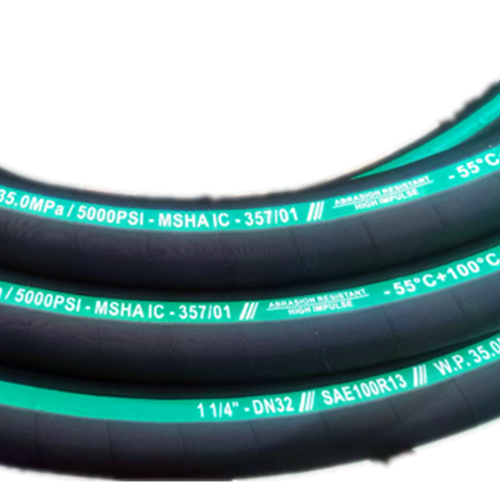
The M22 pressure washer hose is a critical component in fluid transfer systems utilized across diverse industrial and commercial applications, primarily centered around pressure washing equipment. Positioned within the fluid conveyance chain, it directly links the pressure washer pump to the spray nozzle, facilitating the delivery of high-pressure water or cleaning solutions. Its core performance characteristics – burst pressure, working pressure, temperature resistance, and chemical compatibility – directly impact the efficiency, safety, and longevity of the entire pressure washing system. Unlike standard garden hoses, M22 hoses are engineered with reinforced construction to withstand the significantly higher pressures inherent in pressure washing operations, typically ranging from 1500 PSI to 6000 PSI, depending on the application. A core industry pain point is hose failure due to exceeding pressure ratings, material degradation from chemical exposure, or improper storage leading to kinking and structural compromise. This guide provides a detailed technical examination of M22 pressure washer hoses, encompassing material science, manufacturing processes, performance characteristics, failure modes, and relevant industry standards.
Material Science & Manufacturing
M22 pressure washer hoses are typically constructed from a multi-layered composite structure. The innermost layer, the tube, is commonly composed of thermoplastic polymers such as Polyvinyl Chloride (PVC) or Polyurethane (PU). PVC offers cost-effectiveness and good abrasion resistance, while PU excels in flexibility and resistance to oil-based fluids. The reinforcement layer is crucial for withstanding high pressures. This layer traditionally utilizes high-tensile strength braided textiles, often incorporating polyester or nylon fibers. The braid’s density (number of ends per inch) directly correlates with the hose's burst pressure rating. Newer hoses increasingly employ spiral-wound steel wire reinforcement, offering superior pressure handling capabilities and kink resistance. The outer cover provides environmental protection and abrasion resistance, usually composed of a blended rubber compound – commonly a combination of styrene-butadiene rubber (SBR) and nitrile rubber (NBR). NBR imparts oil resistance, vital for applications involving detergents and lubricants.
Manufacturing begins with extrusion of the inner tube to the specified diameter and wall thickness. Precise control of extrusion temperature and screw speed is critical to ensure consistent material density and prevent voids. The reinforcement layer is then applied through either braiding or spiral winding processes. Braiding involves interlacing individual yarns at a specific angle and tension, while spiral winding utilizes a continuous wire or fiber wrapped around the tube. Following reinforcement, the outer cover is extruded over the assembly. Curing, a vital step, involves vulcanization (for rubber covers) or thermal setting (for thermoplastic covers) to crosslink the polymer chains, enhancing strength, elasticity, and chemical resistance. Quality control checks at each stage include dimensional inspections, pressure testing (hydrostatic testing), and material composition analysis. Parameter control during braiding—tension, yarn angle, and picks per inch—directly affects burst strength and flexibility. Deviations can lead to premature failure.
Performance & Engineering
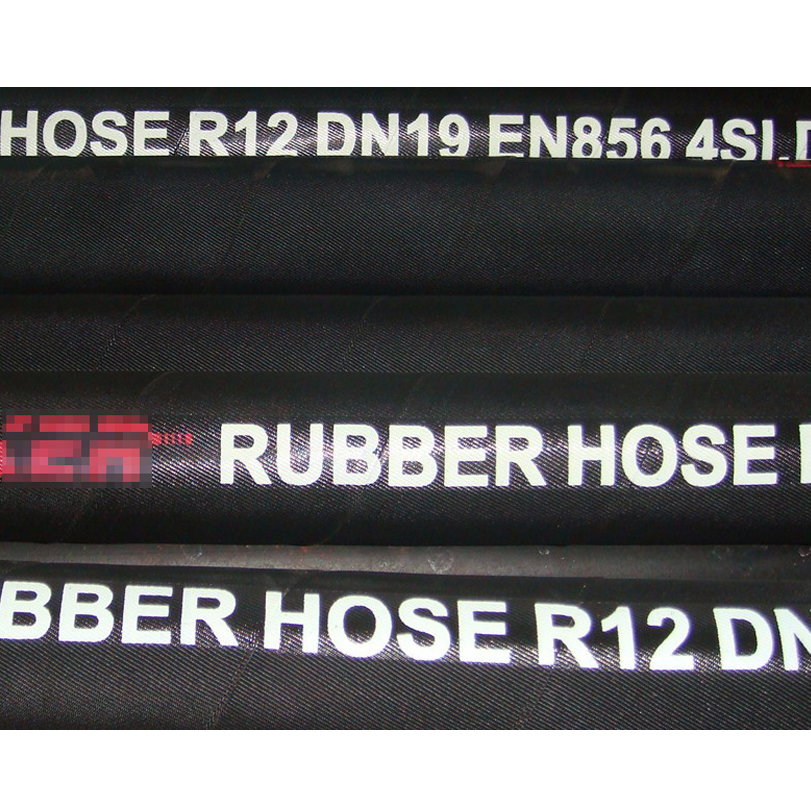
The performance of an M22 pressure washer hose is dictated by several key engineering parameters. Tensile strength, measured in PSI or MPa, represents the hose's ability to withstand pulling forces. Elongation at break indicates the extent to which the hose can stretch before fracturing, directly related to its flexibility. Burst pressure, a critical safety specification, defines the maximum pressure the hose can withstand before catastrophic failure. This is typically tested hydrostatically, with the hose filled with water and pressurized until rupture. Working pressure, usually 50-70% of the burst pressure, represents the safe operating limit. Temperature resistance is another vital factor, as elevated temperatures can accelerate material degradation and reduce the hose's strength. Chemical compatibility is paramount, as exposure to harsh detergents, solvents, or acidic cleaning solutions can cause swelling, cracking, or leaching of plasticizers, compromising the hose's integrity.
Force analysis reveals that the hose experiences both internal pressure (hoop stress) and external mechanical stresses due to bending, kinking, and impact. Finite element analysis (FEA) is used to model these stresses and optimize hose construction for maximum durability. Environmental resistance is assessed through accelerated aging tests, exposing hoses to UV radiation, ozone, and temperature cycling. Compliance requirements often dictate specific performance standards, such as those related to lead content (RoHS compliance) and phthalate content (REACH compliance). The M22 connection itself is engineered to provide a secure, leak-proof seal under high pressure. The thread design and material compatibility between the hose fitting and the pressure washer outlet are critical for preventing blowouts.
Technical Specifications
| Parameter | Typical Value (PVC/Polyester Braid) | Typical Value (PU/Steel Wire Spiral) | Unit |
|---|---|---|---|
| Inner Diameter | 1/4 inch (6.35 mm) | 3/8 inch (9.52 mm) | - |
| Working Pressure | 2000 PSI (13.8 MPa) | 4000 PSI (27.6 MPa) | PSI / MPa |
| Burst Pressure | 8000 PSI (55.2 MPa) | 16000 PSI (110.3 MPa) | PSI / MPa |
| Temperature Range | -20°C to +60°C | -40°C to +80°C | °C |
| Outer Diameter | 0.5 inch (12.7 mm) | 0.75 inch (19.05 mm) | inch / mm |
| Material (Tube) | PVC | PU | - |
Failure Mode & Maintenance
M22 pressure washer hoses are susceptible to several failure modes. Fatigue cracking, induced by repeated flexing and pressure cycling, is a common issue, particularly near the fittings. Delamination, the separation of layers within the hose wall, can occur due to improper bonding during manufacturing or exposure to harsh chemicals. Degradation of the rubber outer cover due to UV exposure and ozone attack results in cracking and loss of flexibility. Oxidation of the inner tube can lead to embrittlement and reduced pressure resistance. Kinking, caused by sharp bends, creates localized stress concentrations, increasing the risk of rupture. Chemical attack from aggressive cleaning agents can cause swelling, softening, or dissolving of the hose materials. Abrasive wear occurs when the hose rubs against rough surfaces.
Preventative maintenance is crucial. Regular inspection for signs of cracking, swelling, or delamination is essential. Avoid kinking the hose during storage and operation. Flush the hose with clean water after each use to remove residual chemicals. Store the hose in a cool, dry place away from direct sunlight and ozone sources. Do not exceed the maximum working pressure. Replace the hose immediately if any signs of damage are detected. Fittings should be checked for corrosion and tightened properly. When coiling the hose, avoid tight radii to prevent stress concentration. Periodic leak testing using a mild soapy solution can reveal pinhole leaks before they escalate into major failures.
Industry FAQ
Q: What is the primary difference between a PVC and PU inner tube in terms of chemical resistance?
A: Polyurethane (PU) exhibits superior resistance to oil-based fluids and many common solvents compared to Polyvinyl Chloride (PVC). PVC is generally more resistant to acidic and alkaline solutions. Therefore, PU is preferred for applications using degreasers and lubricants, while PVC may be suitable for applications involving bleach or detergents with high pH levels.
Q: How does the braid density affect the burst pressure of a hose?
A: Braid density, expressed as ends per inch, directly correlates with burst pressure. A higher braid density means more reinforcing fibers are interwoven, increasing the hose's ability to withstand internal pressure. However, increasing braid density also reduces flexibility.
Q: What are the consequences of exceeding the working pressure of a pressure washer hose?
A: Exceeding the working pressure significantly increases the risk of catastrophic hose failure, potentially causing injury to personnel and damage to equipment. It also accelerates material fatigue and reduces the hose’s lifespan.
Q: What is the role of the outer cover in hose performance and longevity?
A: The outer cover provides crucial environmental protection, shielding the reinforcement layer from abrasion, UV radiation, ozone, and chemical exposure. It also contributes to the hose’s flexibility and overall durability. A compromised outer cover can lead to premature failure of the underlying reinforcement.
Q: How important is proper hose storage, and what are the best practices?
A: Proper hose storage is extremely important. Coiling the hose loosely with a large radius avoids kinking and reduces stress. Storing the hose indoors in a cool, dry, dark place protects it from UV degradation, ozone cracking, and extreme temperatures. Avoid storing it near chemicals or solvents.
Conclusion
The M22 pressure washer hose is a sophisticated engineered product, vital for the safe and efficient operation of pressure washing systems. Its performance hinges on a complex interplay of material science, manufacturing precision, and adherence to rigorous engineering principles. Understanding the specific properties of the constituent materials—PVC, PU, polyester, nylon, and rubber compounds—is critical for selecting the appropriate hose for a given application. Addressing the prevalent failure modes through diligent maintenance and preventative measures, such as regular inspections and proper storage, ensures longevity and minimizes the risk of costly downtime and potential hazards.
Future developments in M22 hose technology will likely focus on advanced materials with enhanced chemical resistance and temperature stability, as well as innovative reinforcement techniques to further increase burst pressure and reduce weight. The integration of smart sensors within the hose structure could enable real-time monitoring of pressure, temperature, and material integrity, providing predictive maintenance capabilities and enhancing overall system reliability. Continuing adherence to relevant international standards is paramount to ensure product safety and performance.

