
Apr . 01, 2024 17:55 Back to list
china wrapped surface hydraulic hose manufacturer Performance Analysis
Introduction
Wrapped surface hydraulic hoses represent a critical component in fluid power systems across diverse industries including construction, agriculture, manufacturing, and oil & gas. These hoses are specifically designed for the transmission of hydraulic fluid under high pressure, facilitating the operation of hydraulic machinery. China has become a prominent manufacturing hub for these hoses, offering competitive pricing and increasingly sophisticated production capabilities. The "wrapped surface" designation refers to the reinforcement layer construction – typically high-tensile strength braided or spiraled wire – which is visible and protected by an outer cover. Core performance characteristics include pressure rating, temperature range, fluid compatibility, and resistance to abrasion and kinking. A key industry pain point centers around maintaining consistent quality control to prevent catastrophic hose failures, along with ensuring compliance with stringent international safety standards. This guide provides an in-depth examination of the material science, manufacturing processes, performance characteristics, failure modes, and maintenance requirements for china-manufactured wrapped surface hydraulic hoses.
Material Science & Manufacturing
The construction of a wrapped surface hydraulic hose necessitates a careful selection of materials exhibiting specific properties. The inner tube is typically composed of a synthetic rubber compound, most commonly nitrile rubber (NBR) for oil-based hydraulic fluids, or ethylene propylene diene monomer (EPDM) for compatibility with phosphate ester fluids. NBR offers excellent resistance to abrasion, oil, and fuel, while EPDM provides superior resistance to heat, ozone, and weathering. The reinforcement layer is critical for pressure containment. High-tensile steel wire, either braided in multiple layers or spiraled, is the most prevalent reinforcement material. The number of layers and the wire diameter directly influence the hose’s working pressure capacity. The outer cover, providing environmental protection, is usually made from a chloroprene rubber (CR) compound, chosen for its resistance to abrasion, ozone, UV radiation, and weathering.
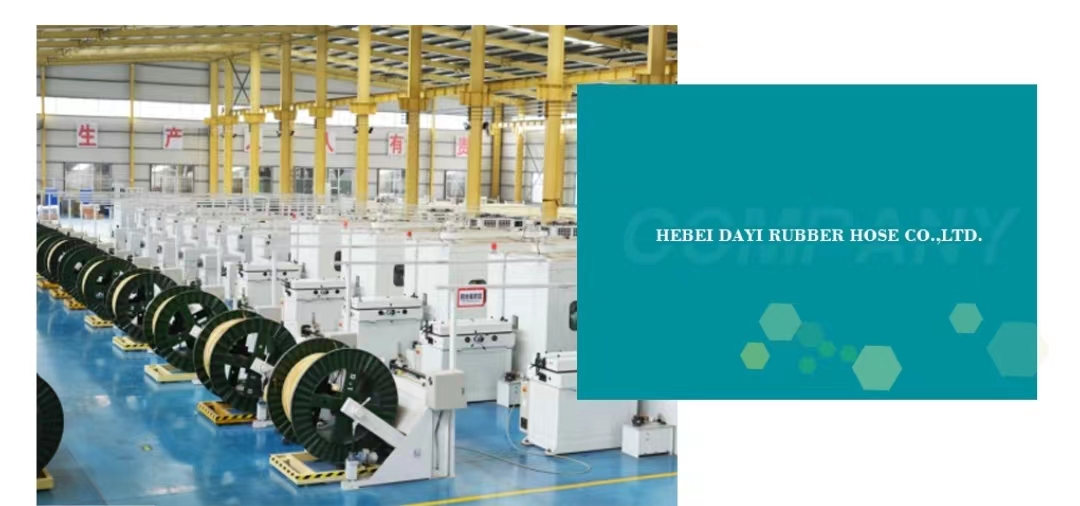
Manufacturing involves several key steps. First, the inner tube is extruded through a die to achieve the desired inner diameter and wall thickness. This extrusion process requires precise temperature control and screw speed management to ensure dimensional accuracy and consistent rubber density. The reinforcement layer is then applied, either through braiding machines for spiral reinforcement or winding machines for spiral reinforcement. Maintaining consistent tension during the winding/braiding process is crucial to ensure uniform pressure distribution. Finally, the outer cover is extruded over the reinforcement layer, followed by curing in an autoclave. Curing parameters – temperature, pressure, and time – are critical for achieving optimal vulcanization of the rubber compounds and ensuring long-term durability. Quality control checks at each stage, including dimensional measurements, pressure testing, and material analysis, are essential to mitigate defects.
Performance & Engineering
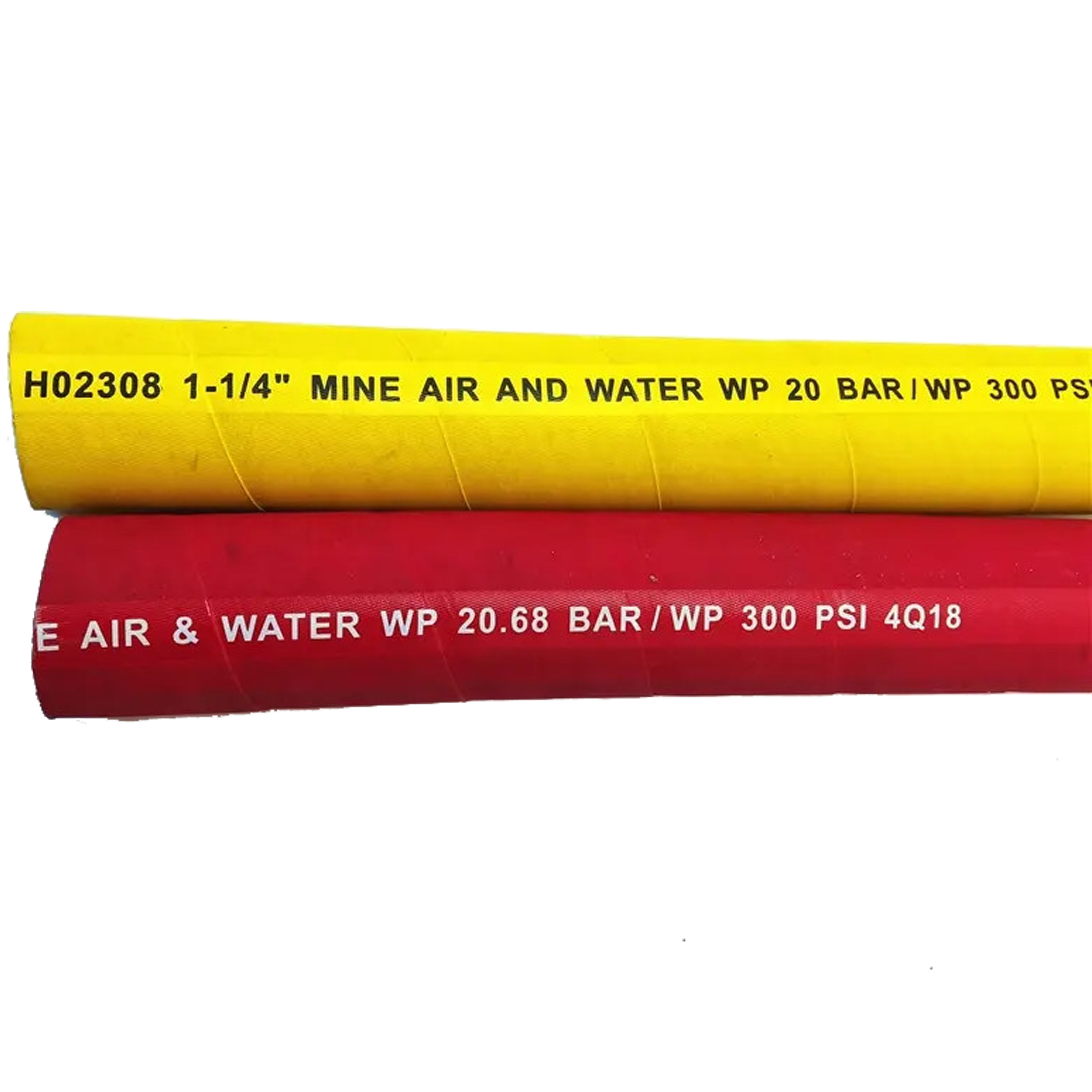
The performance of a wrapped surface hydraulic hose is governed by several engineering principles. Burst pressure, working pressure, and safety factor are paramount. Burst pressure represents the maximum pressure the hose can withstand before rupture, while working pressure is the recommended operating pressure, typically a fraction of the burst pressure (often 1/4). The safety factor is a critical design consideration, ensuring the hose can handle pressure surges and transient loads. Hose flexibility, bending radius, and kink resistance are also vital performance parameters, particularly in dynamic applications. Finite element analysis (FEA) is frequently employed to model stress distribution within the hose under various loading conditions, optimizing reinforcement layer design and material selection.
Environmental resistance is a major concern. Hydraulic systems often operate in harsh conditions, including exposure to extreme temperatures, corrosive fluids, and abrasive particles. The rubber compounds must be resistant to degradation from these factors. Standards such as SAE J517 and EN 853 dictate fluid compatibility requirements. Furthermore, the hose must comply with relevant safety regulations, such as those pertaining to hose marking, traceability, and proof testing. The hose’s ability to withstand fatigue and cyclical pressure loading is also critical for long-term reliability, necessitating rigorous fatigue testing and material characterization. Chemical compatibility, specifically resistance to breakdown by hydraulic fluids containing additives, is a constant challenge requiring continuous material development.
Technical Specifications
| Parameter | Unit | SAE 100R2AT | EN 853 2SN |
|---|---|---|---|
| Working Pressure | MPa | 20.7 | 21 |
| Burst Pressure | MPa | 82.7 | 84 |
| Temperature Range | °C | -40 to +100 | -40 to +100 |
| Inner Tube | Material | Nitrile Rubber (NBR) | Nitrile Rubber (NBR) |
| Reinforcement | Material | Two Steel Wire Braids | Two Steel Wire Spirals |
| Outer Cover | Material | Chloroprene Rubber (CR) | Chloroprene Rubber (CR) |
Failure Mode & Maintenance
Wrapped surface hydraulic hoses are susceptible to several failure modes. Fatigue cracking, often initiated at the point of maximum stress concentration (e.g., hose ends, bends), is a common failure mechanism, particularly in pulsating systems. Abrasion, caused by external contact with abrasive surfaces, can lead to cover degradation and eventual reinforcement exposure. Kinking, resulting from exceeding the minimum bending radius, can damage the reinforcement layer and restrict fluid flow. Internal degradation, caused by chemical attack from incompatible fluids or contamination, can weaken the inner tube and lead to leaks. Oxidation, particularly at elevated temperatures, can cause rubber compounds to harden and become brittle. Delamination, the separation of layers within the hose construction, can also occur due to manufacturing defects or prolonged exposure to harsh conditions.
Preventative maintenance is crucial for extending hose life and preventing catastrophic failures. Regular visual inspections should be conducted to identify signs of abrasion, cracking, kinking, or leaks. Hoses should be replaced if any damage is detected. The hydraulic fluid should be regularly analyzed for contamination and maintained within specified viscosity limits. Proper hose routing, avoiding sharp bends and contact with abrasive surfaces, is essential. Using appropriate fittings and ensuring proper torque during installation are also critical. Pressure testing, conducted periodically, can help identify potential leaks or weaknesses. Finally, adherence to manufacturer’s recommended service intervals and storage conditions is vital for maintaining hose integrity.
Industry FAQ
Q: What is the significance of the "dash size" in hydraulic hose specifications?
A: The dash size (e.g., -6, -8, -10) refers to the internal diameter of the hose in sixteenths of an inch. Therefore, a -6 hose has a 6/16 inch (3/8 inch) internal diameter. It's a critical parameter as it dictates the flow capacity of the hose and must be matched to the requirements of the hydraulic system.
Q: How does the reinforcement layer impact a hose’s pressure rating?
A: The reinforcement layer is the primary determinant of a hose's pressure rating. Increasing the number of reinforcement layers (e.g., from one to two braids) or using higher-tensile strength wire significantly increases the hose’s ability to withstand internal pressure. The type of reinforcement (braided vs. spiral) also influences pressure capacity.
Q: What are the key differences between NBR and EPDM inner tube materials?
A: NBR (Nitrile Butadiene Rubber) offers excellent resistance to petroleum-based hydraulic fluids, abrasion, and fuel. EPDM (Ethylene Propylene Diene Monomer) provides superior resistance to heat, ozone, weathering, and phosphate ester fluids. The choice depends on the specific application and the type of fluid being used.
Q: How do I determine the correct bending radius for a hydraulic hose?
A: The minimum bending radius is specified by the hose manufacturer and is typically listed in the product data sheet. Exceeding the minimum bending radius can damage the reinforcement layer, leading to premature failure. It’s critical to follow the manufacturer’s recommendations to ensure proper hose performance and longevity.
Q: What are the implications of using a hose with an incorrect fitting?
A: Using an incorrect fitting can result in leaks, reduced pressure capacity, and potential hose failure. It’s essential to use fittings that are specifically designed for the hose type, size, and pressure rating. Improperly torqued fittings can also lead to leaks or damage to the hose ends.
Conclusion
China-manufactured wrapped surface hydraulic hoses represent a cost-effective and increasingly reliable solution for fluid power applications. However, achieving consistent quality and ensuring compliance with international standards remains a paramount concern. A thorough understanding of the material science, manufacturing processes, and performance characteristics is essential for selecting the appropriate hose for a given application and implementing effective preventative maintenance strategies.
Future advancements in hydraulic hose technology will likely focus on the development of new materials offering improved temperature resistance, chemical compatibility, and fatigue life. Furthermore, advancements in manufacturing techniques, such as automated quality control systems and precision winding/braiding processes, will contribute to enhanced product reliability and reduced defect rates. Continual monitoring of evolving industry standards and regulations is critical for maintaining safety and ensuring long-term operational efficiency.