
Apr . 01, 2024 17:55 Back to list
china water suction and discharge rubber hose factory Technical Analysis
Introduction
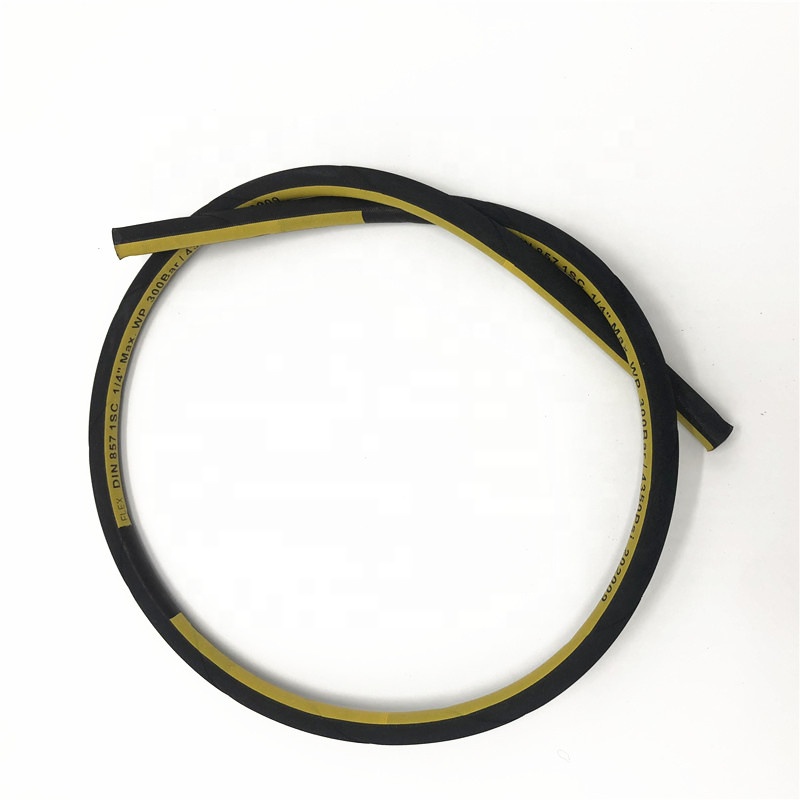
Water suction and discharge rubber hoses are critical components in fluid transfer systems across a multitude of industrial applications, including agriculture, construction, mining, and wastewater management. These hoses are designed to convey liquids – primarily water, but also slurries and certain chemicals – under both positive and negative pressure conditions. China, as a leading global manufacturer, has established a substantial capacity for producing these hoses, specializing in both standardized and customized solutions. This guide will provide an in-depth technical analysis of these hoses, encompassing their material science, manufacturing processes, performance characteristics, potential failure modes, and relevant industry standards. A core pain point within the industry lies in balancing hose flexibility with robustness against abrasion, chemical attack, and pressure surges. Furthermore, ensuring consistent quality and adherence to stringent international safety regulations presents a continuous challenge for manufacturers and end-users alike. The selection of the appropriate hose necessitates careful consideration of the specific application requirements, including fluid compatibility, operating pressure, temperature range, and anticipated service life.
Material Science & Manufacturing
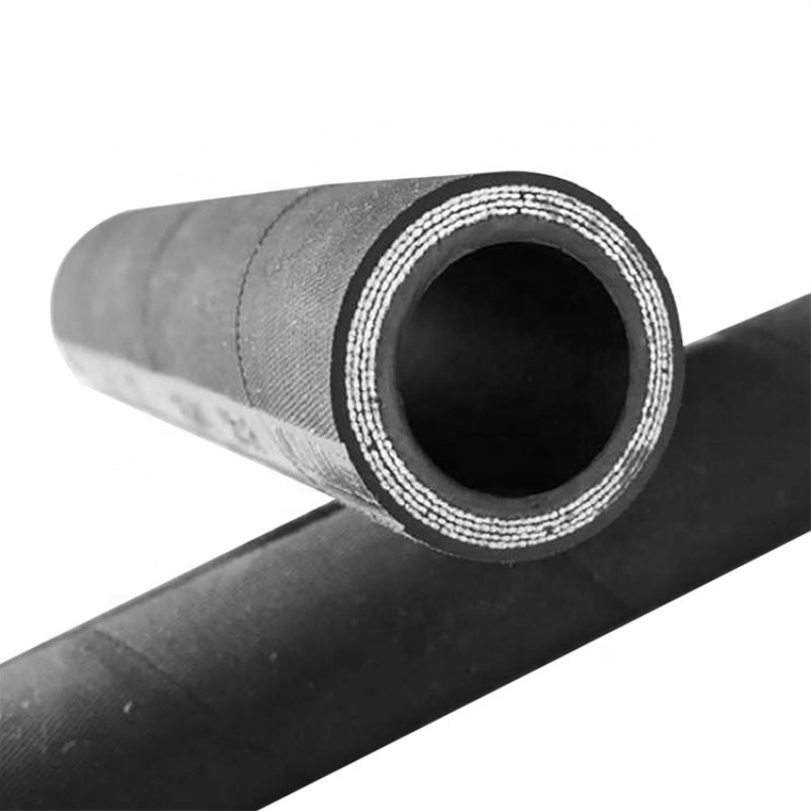
The core material for most water suction and discharge rubber hoses is a synthetic rubber compound, typically based on PVC, NBR (Nitrile Butadiene Rubber), EPDM (Ethylene Propylene Diene Monomer), or SBR (Styrene-Butadiene Rubber). PVC offers good abrasion resistance and cost-effectiveness but is less flexible and susceptible to degradation with prolonged UV exposure. NBR provides excellent resistance to oil and fuels, making it suitable for applications involving petroleum-based fluids. EPDM exhibits superior resistance to weathering, ozone, and heat, and is often preferred for potable water applications. SBR offers a balance of properties at a lower cost, but its resistance to oil and chemicals is limited. Reinforcement layers are crucial for withstanding internal pressure and preventing hose collapse. These layers typically consist of a textile braid (polyester or nylon) or a steel wire helix. Manufacturing processes generally involve extrusion, calendaring, and braiding/winding. Extrusion forms the inner tube and outer cover. Calendaring produces the reinforcing layers. Braiding or winding provides the pressure resistance. Key parameter control during manufacturing includes rubber compound formulation (precise ratios of polymers, plasticizers, fillers, and curing agents), extrusion temperature and pressure, braid/winding tension, and curing time and temperature. Inconsistent curing can lead to incomplete vulcanization, resulting in reduced strength and elasticity. Precise control of the helix pitch in steel-wire reinforced hoses is vital to prevent kinking and ensure uniform pressure distribution. The inner liner’s surface finish is also critical to minimize flow restriction and promote easy cleaning.
Performance & Engineering
The performance of water suction and discharge hoses is governed by several critical engineering factors. Burst pressure, working pressure, and vacuum resistance are paramount. Burst pressure is the maximum pressure the hose can withstand before rupture, typically tested hydrostatically. Working pressure is a fraction of the burst pressure, determined by a safety factor (usually 4:1). Vacuum resistance is the hose’s ability to withstand negative pressure without collapsing. This is particularly important for suction applications. Tensile strength and elongation at break define the hose’s resistance to tearing and stretching. These parameters are heavily influenced by the reinforcement layer material and construction. Flexibility is essential for ease of handling and installation. It's typically measured by bend radius – the minimum radius to which the hose can be bent without kinking or damage. Environmental resistance encompasses resistance to UV radiation, ozone, temperature extremes, and chemical attack. Chemical compatibility is assessed by immersing hose samples in various fluids and monitoring for swelling, degradation, or property changes. Compliance requirements vary by region and application. Potable water hoses must meet standards for non-toxicity and leaching of harmful substances. Hoses used in food processing applications are subject to FDA regulations. A crucial engineering consideration is the potential for fatigue failure due to repeated pressure cycling. Understanding the stress-strain behavior of the hose material and accurately predicting its fatigue life are vital for ensuring long-term reliability. Finite element analysis (FEA) is often employed to model stress distribution and optimize hose design.
Technical Specifications
| Parameter | Unit | NBR Liner, Polyester Braid | EPDM Liner, Steel Wire Helix |
|---|---|---|---|
| Working Pressure | bar | 10 | 15 |
| Burst Pressure | bar | 40 | 60 |
| Suction Lift | m | 6 | 7 |
| Temperature Range | °C | -30 to +80 | -40 to +100 |
| Inner Diameter | mm | 25 - 100 | 50 - 300 |
| Outer Diameter | mm | 32 - 120 | 60 - 350 |
Failure Mode & Maintenance
Common failure modes in water suction and discharge rubber hoses include abrasion, cracking, kinking, bulging, and chemical degradation. Abrasion occurs due to the erosion of the inner liner by abrasive particles in the fluid. Cracking can result from ozone exposure, UV degradation, or material fatigue. Kinking happens when the hose is bent beyond its minimum bend radius, restricting flow and potentially causing damage. Bulging indicates a weakening of the reinforcement layer, often due to pressure overload or material deterioration. Chemical degradation occurs when the hose material reacts with the conveyed fluid, leading to swelling, softening, or cracking. Fatigue cracking manifests as progressive damage from cyclical pressure and bending stresses. Preventative maintenance is crucial for extending hose lifespan. This includes regular visual inspections for signs of wear, damage, or degradation. Proper storage is also important – hoses should be stored in a cool, dry, and dark place, away from direct sunlight and ozone sources. Hoses should be flushed periodically to remove accumulated debris. When handling hoses, avoid sharp bends and excessive stretching. Damaged hoses should be replaced immediately. If a hose exhibits signs of bulging or cracking, it should be taken out of service and inspected thoroughly. Periodic pressure testing can also help identify potential weaknesses before a catastrophic failure occurs. The use of hose protectors in areas prone to abrasion can significantly extend hose life.
Industry FAQ
Q: What is the impact of fluid velocity on the lifespan of a suction hose?
A: Higher fluid velocities increase the rate of abrasion and erosion of the inner liner, significantly reducing the hose's lifespan. Turbulence created by high velocities accelerates wear, particularly if the fluid contains abrasive particles. Selecting a hose with a thicker liner or utilizing a lower fluid velocity can mitigate this issue.
Q: How does the type of reinforcement affect the hose’s resistance to kinking?
A: Steel wire helix reinforcement provides superior kink resistance compared to textile braiding. The helix maintains the hose's circular shape even when bent, preventing collapse. Textile braiding is more flexible but offers less resistance to kinking.
Q: What are the key considerations when selecting a hose for handling chlorinated water?
A: Chlorinated water is highly corrosive to many rubber compounds. EPDM is generally the most resistant material to chlorinated water, but even EPDM can degrade over time. A hose specifically formulated for chlorinated water applications should be selected, and regular inspections are crucial.
Q: What safety factor should be applied when determining the appropriate working pressure for a hose?
A: A safety factor of 4:1 is commonly used, meaning the working pressure should be no more than one-quarter of the hose’s burst pressure. However, higher safety factors may be required for critical applications or when dealing with dynamic pressure surges.
Q: What is the significance of the 'layflat' characteristic in certain hose designs?
A: Layflat hoses, typically reinforced with spiral plies, are designed to collapse and flatten when not in use, making them easy to store and transport. This design is common in irrigation and agricultural applications, offering convenience without compromising performance when pressurized.
Conclusion
Water suction and discharge rubber hoses represent a complex engineering product where material selection, manufacturing precision, and application-specific considerations converge. The enduring performance and reliability of these hoses are fundamentally linked to the careful balance between flexibility, pressure resistance, and chemical compatibility. Understanding the underlying material science and potential failure modes is crucial for procurement managers and engineers alike in ensuring optimal performance and minimizing downtime.
Looking ahead, advancements in rubber compound technology, such as the development of self-healing polymers and enhanced abrasion-resistant formulations, promise to further extend hose lifespan and reduce maintenance costs. The increasing focus on sustainability is also driving innovation in the use of bio-based materials and recyclable hose designs. Continuous monitoring of industry standards and rigorous testing protocols will remain paramount to ensure the safe and efficient operation of these critical components.