
Apr . 01, 2024 17:55 Back to list
china water suction and discharge rubber hose factories Performance and Engineering
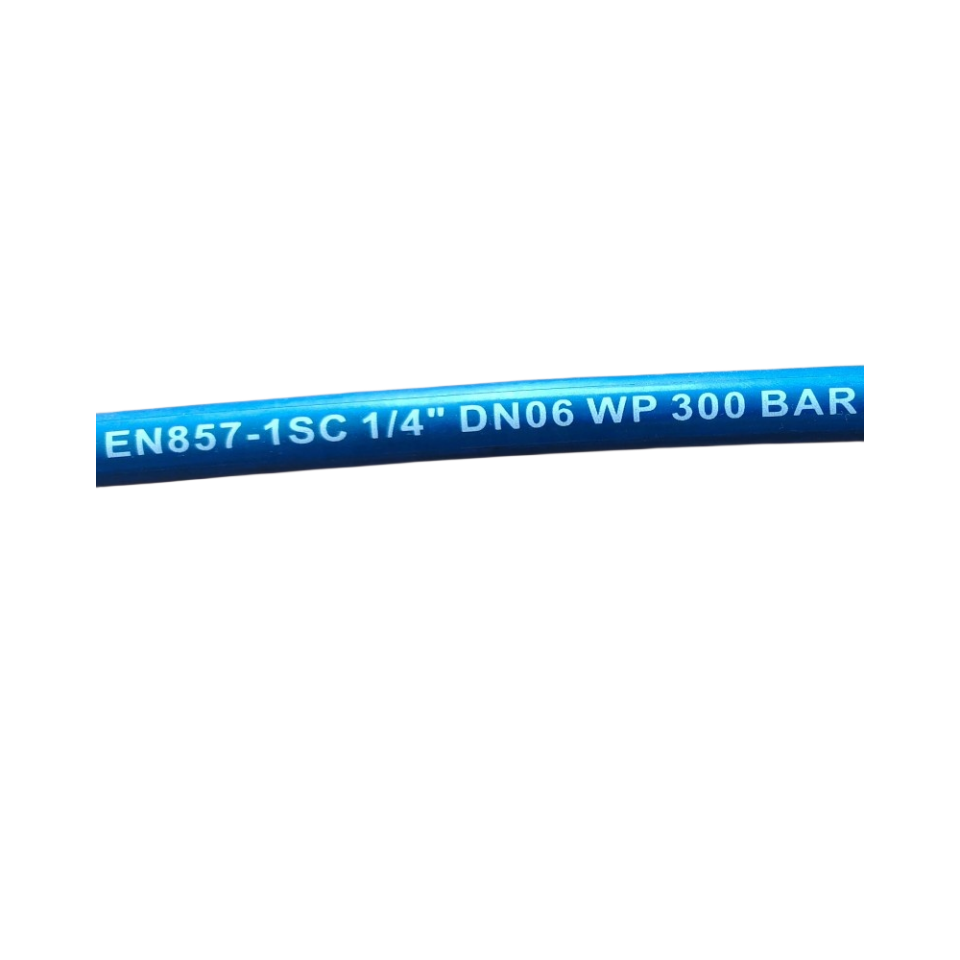
Introduction
Water suction and discharge rubber hoses manufactured in China represent a significant component of fluid handling systems across diverse industrial and agricultural applications. These hoses are integral to transferring liquids – ranging from potable water to abrasive slurries – in contexts such as irrigation, construction, mining, and marine operations. Their technical position within the industry chain lies between raw material supply (synthetic and natural rubbers, textile reinforcement) and end-user applications. Core performance characteristics defining these hoses include pressure resistance, flexibility, abrasion resistance, chemical compatibility, and adherence to international safety standards. The increasing demand for these hoses is driven by infrastructural development in emerging economies and a growing need for efficient fluid transfer solutions. A crucial challenge for manufacturers revolves around balancing performance with cost-effectiveness, while maintaining consistent quality control to meet stringent global regulations. Failure to meet these demands results in premature failure, operational downtime, and potential safety hazards.
Material Science & Manufacturing
The primary raw materials for water suction and discharge rubber hoses are synthetic rubbers (SBR, NBR, EPDM), natural rubber, and textile reinforcement materials (polyester, nylon). SBR (Styrene-Butadiene Rubber) offers good abrasion resistance and cost-effectiveness, making it suitable for general-purpose applications. NBR (Nitrile Butadiene Rubber) provides superior resistance to oil and fuels, crucial for applications involving hydrocarbon exposure. EPDM (Ethylene Propylene Diene Monomer) exhibits excellent resistance to weathering, ozone, and heat, making it ideal for outdoor applications and hot water transfer. Natural rubber delivers high elasticity and resilience. Textile reinforcement, typically woven, provides tensile strength and pressure resistance.
Manufacturing typically involves several stages: compounding, extrusion, reinforcement, curing (vulcanization), and finishing. Compounding involves blending the raw rubber with additives (plasticizers, fillers, antioxidants, accelerators) to achieve desired properties. Extrusion forms the rubber into a continuous tube. Reinforcement layers are applied, often through spiral winding or braiding of textile cords. Curing, using heat and pressure, crosslinks the rubber molecules, enhancing strength and elasticity. Key parameters during curing – temperature, pressure, and time – are critical for achieving optimal vulcanization. Improper curing leads to under-cured (low strength) or over-cured (brittle) hoses. Finishing includes cutting to length, applying end fittings (clamps, flanges), and quality inspection. Control of material batch consistency, extrusion die tolerances, reinforcement tension, and curing parameters are paramount to ensure product reliability.
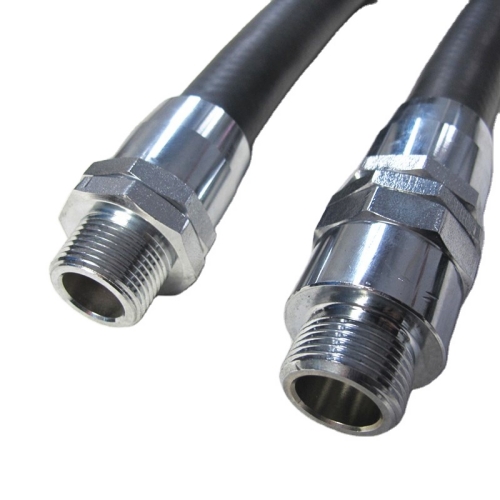
Performance & Engineering
Performance of water suction and discharge hoses is governed by several engineering principles. Burst pressure, determined by the reinforcement layers and rubber compound, is a critical safety parameter. Suction capability relies on the hose's ability to resist collapse under vacuum pressure; this is impacted by wall thickness and reinforcement structure. Flexibility is essential for ease of handling and installation, and is determined by the rubber compound's elasticity and hose diameter. Abrasion resistance, particularly important in slurry applications, is a function of the rubber compound's hardness and the inclusion of wear-resistant fillers. Chemical compatibility ensures the hose doesn’t degrade when exposed to the transferred fluid; mismatching materials can lead to swelling, cracking, or leaching of harmful substances.
Force analysis during operation considers hydrostatic pressure, dynamic pressure from fluid flow, and external mechanical stresses (bending, kinking). Environmental resistance assesses the hose's durability in varying temperatures, UV exposure, and chemical environments. Compliance requirements vary by region and application; potable water hoses must meet standards for non-toxicity and leachability (e.g., NSF/ANSI 61). Specific functional implementations, like food-grade hoses, require specialized rubber formulations and stringent manufacturing controls to prevent contamination. The selection of appropriate reinforcement materials is vital to handle the hoop stress created by internal pressure.
Technical Specifications
| Parameter | Unit | Typical Value (Standard Duty Hose) | Typical Value (Heavy Duty Hose) |
|---|---|---|---|
| Working Pressure | PSI | 150 | 300 |
| Burst Pressure | PSI | 450 | 900 |
| Temperature Range | °F | -40 to +180 | -40 to +212 |
| Inner Diameter | Inch | 1-4 | 2-8 |
| Outer Diameter | Inch | 1.25-4.5 | 2.5-9 |
| Reinforcement Type | - | Polyester Braid | Spiral Steel Wire + Polyester Braid |
Failure Mode & Maintenance
Common failure modes for water suction and discharge hoses include fatigue cracking (due to repeated pressure cycles), delamination (separation of rubber layers from reinforcement), degradation (chemical attack or UV exposure), and oxidation (rubber hardening and cracking). Fatigue cracking is often initiated at areas of high stress concentration, such as around end fittings. Delamination occurs when inadequate bonding exists between the rubber and reinforcement. Degradation results from incompatibility between the rubber compound and the transferred fluid or environmental exposure. Oxidation causes embrittlement and loss of elasticity.
Maintenance strategies include regular visual inspection for signs of cracking, swelling, or abrasion; pressure testing to verify integrity; and proper storage (avoid direct sunlight and extreme temperatures). End fittings should be inspected for tightness and corrosion. Hoses should be drained and flushed after use, particularly when handling abrasive or corrosive fluids. Avoid sharp bends and kinking during operation and storage. When replacing a hose, ensure the new hose meets or exceeds the original specifications. Records of inspection and maintenance should be maintained for traceability. Implement a hose management program outlining inspection frequency, replacement criteria, and proper handling procedures.
Industry FAQ
Q: What is the impact of reinforcement material on hose performance?
A: The reinforcement material significantly impacts a hose’s burst pressure, collapse resistance, and flexibility. Spiral steel wire reinforcement provides the highest pressure resistance and collapse protection, making it suitable for heavy-duty applications. Braided textile reinforcement (polyester, nylon) offers a balance of strength and flexibility, appropriate for general-purpose use. The quantity and weave pattern of the reinforcement also affect performance characteristics.
Q: How do different rubber compounds affect chemical compatibility?
A: Different rubber compounds exhibit varying resistance to specific chemicals. NBR provides excellent resistance to oils and fuels, while EPDM excels in resistance to weathering, ozone, and a wide range of chemicals. SBR offers good general-purpose resistance but is susceptible to degradation by strong acids and bases. Selecting the correct rubber compound is crucial to prevent swelling, cracking, or leaching.
Q: What are the critical parameters to monitor during hose curing?
A: Temperature, pressure, and curing time are the most critical parameters. Insufficient curing results in low tensile strength and elongation, while over-curing leads to brittleness and reduced flexibility. Precise control of these parameters is essential for optimal vulcanization and achieving desired physical properties.
Q: How can I prevent premature hose failure due to abrasion?
A: Selecting a rubber compound with high abrasion resistance (e.g., SBR with abrasive fillers) is the first step. Minimize contact with abrasive surfaces. Consider using protective sleeves or guards in areas prone to abrasion. Regular inspection and replacement of worn hoses are also essential. Using a lower fluid velocity can also reduce abrasion.
Q: What certifications are typically required for water hoses used in potable water applications?
A: NSF/ANSI 61 is the most common certification for potable water hoses in North America, verifying that the hose materials do not leach harmful substances into the water. WRAS (Water Regulations Advisory Scheme) is a similar certification used in the UK. Compliance with these standards is essential for ensuring water safety.
Conclusion
Water suction and discharge rubber hoses produced by Chinese manufacturers play a critical role in numerous industries, demanding a sophisticated understanding of material science, manufacturing processes, and performance characteristics. Maintaining consistent quality control, selecting appropriate materials for specific applications, and adhering to stringent international standards are paramount to ensuring reliable and safe operation. Optimizing the balance between cost-effectiveness and performance remains a key challenge for manufacturers.
Future developments will likely focus on advanced rubber compounds with enhanced chemical resistance and abrasion durability, smart hose technologies incorporating sensors for pressure and temperature monitoring, and sustainable manufacturing practices minimizing environmental impact. A proactive approach to hose management, encompassing regular inspection, preventative maintenance, and adherence to industry best practices, will further enhance the longevity and reliability of these critical fluid handling components.