
Apr . 01, 2024 17:55 Back to list
china two wire braided high pressure hydraulic hose suppliers Performance Analysis
Introduction
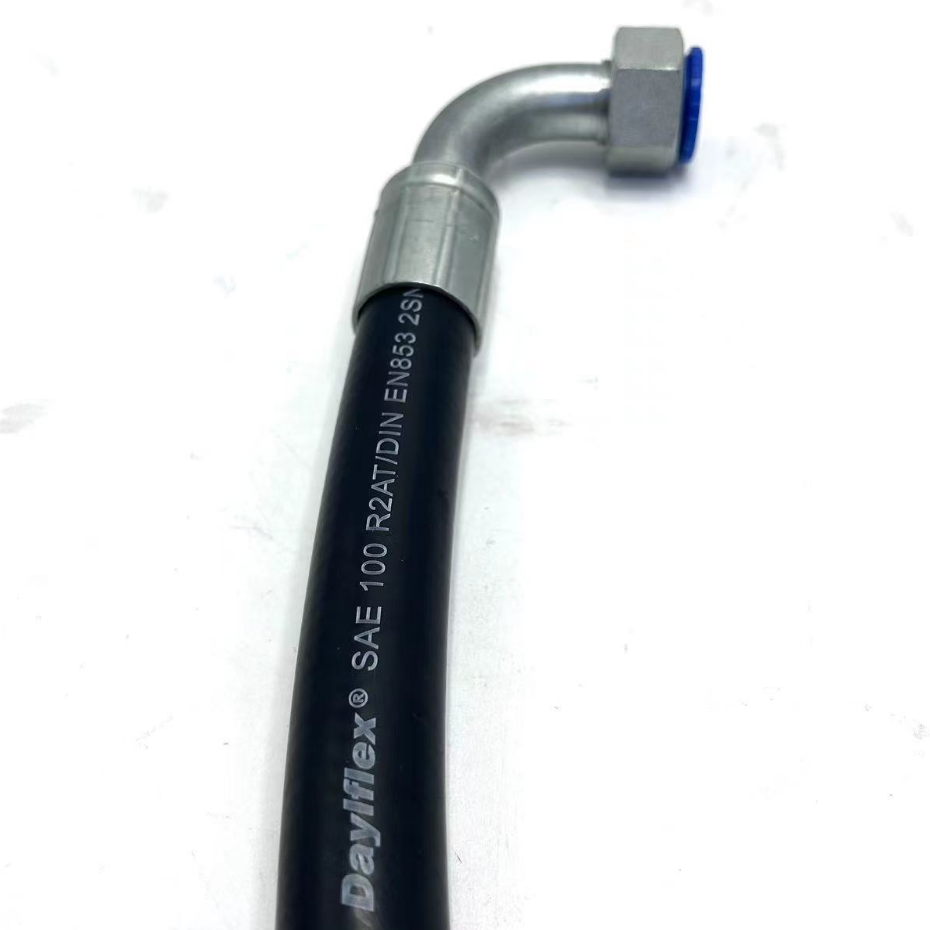
Two-wire braided high-pressure hydraulic hoses are critical components in fluid power systems, facilitating the transmission of hydraulic fluid to actuators and other components. These hoses, commonly supplied by manufacturers in China, are distinguished by their ability to withstand high pressures and maintain operational reliability in demanding applications. They represent a substantial portion of the industrial hose market, serving sectors like construction, agriculture, mining, and manufacturing. The core performance characteristics – pressure rating, burst pressure, temperature range, and fluid compatibility – dictate their suitability for specific applications. Chinese suppliers have become increasingly prominent due to their cost-effectiveness and growing capabilities in producing hoses meeting international quality standards. However, understanding the nuances of materials, manufacturing processes, and potential failure modes is crucial for successful implementation and longevity.
Material Science & Manufacturing
The construction of a two-wire braided high-pressure hydraulic hose relies on a multi-layered design. The innermost layer, the tube, is typically made of a synthetic rubber compound such as nitrile (NBR), chloroprene (CR), or ethylene propylene diene monomer (EPDM). NBR offers excellent resistance to petroleum-based fluids, CR provides good ozone and weather resistance, and EPDM is suitable for phosphate ester fluids. The reinforcement layer consists of two braids of high-tensile steel wire. The wire gauge and braid angle are precisely controlled to determine the hose’s pressure capacity and flexibility. An exterior cover, generally composed of synthetic rubber (often a blend of SBR and NBR), provides abrasion, weather, and chemical resistance. Manufacturing involves extrusion of the inner tube, spiraling the steel wire braids around the tube, and then extruding the outer cover. Critical parameters during extrusion include temperature control (to ensure proper material flow and avoid degradation), die design (to achieve consistent tube dimensions), and curing time and temperature (to achieve optimal rubber vulcanization). Steel wire surface treatment (zinc coating or passivation) is essential to prevent corrosion and ensure braid adhesion. Quality control encompasses dimensional checks, pressure testing (hydrostatic and impulse), and material composition analysis. Variations in material composition (e.g., the ratio of carbon black in the rubber compound) and manufacturing parameters directly influence the hose's mechanical properties and service life.

Performance & Engineering
The performance of a two-wire braided hydraulic hose is governed by several engineering principles. Burst pressure, a critical safety parameter, is determined by the tensile strength of the steel wire and the efficiency of the braid. Hose flexibility is influenced by the braid angle; a steeper angle provides greater rigidity while a shallower angle offers increased flexibility. The hose must withstand not only static pressure but also pressure pulsations and dynamic stresses caused by system vibrations and fluid hammer. Finite Element Analysis (FEA) is often employed to model stress distribution within the hose under various loading conditions. Environmental resistance is paramount; the hose must maintain its integrity in the presence of oils, chemicals, ozone, and UV radiation. Temperature extremes also pose challenges; high temperatures can accelerate rubber degradation, while low temperatures can reduce flexibility and impact resistance. Compliance with industry standards such as SAE J517 (USA), EN 853 (Europe), and GB/T 3686 (China) is mandatory, defining minimum performance requirements and testing procedures. Proper hose routing and support are also crucial to prevent kinking, abrasion, and excessive bending, which can lead to premature failure.
Technical Specifications
| Parameter | SAE 100R2AT | EN 853 2SN | GB/T 3686-2018 |
|---|---|---|---|
| Working Pressure (PSI) | 2000-3000 | 1500-3000 | 1600-2500 |
| Burst Pressure (PSI) | 8000-12000 | 6000-12000 | 6400-10000 |
| Temperature Range (°C) | -40 to +100 | -40 to +100 | -40 to +100 |
| Inner Tube Material | NBR | NBR | NBR/IR |
| Reinforcement | Two Steel Wire Braids | Two Steel Wire Braids | Two Steel Wire Braids |
| Cover Material | Synthetic Rubber (SBR/NBR) | Synthetic Rubber (SBR) | Synthetic Rubber (SBR) |
Failure Mode & Maintenance
Several failure modes can affect two-wire braided hydraulic hoses. Fatigue cracking, often initiated at the braid crossover points, is a common issue caused by repeated flexing and pressure cycling. Corrosion of the steel wire, especially in harsh environments, can significantly reduce its tensile strength and lead to catastrophic failure. Abrasion of the outer cover can expose the reinforcement layer to corrosion and damage. Hose kinking, resulting from improper routing or excessive bending, can restrict fluid flow and create localized stress concentrations. Internal degradation of the rubber tube, due to chemical attack or thermal oxidation, can lead to swelling, cracking, and loss of flexibility. Regular inspection is crucial to identify potential problems. This includes visual checks for abrasion, cracking, and leaks, as well as pressure testing. Maintenance practices include proper hose routing and support, protection from abrasion, and avoidance of incompatible fluids. When replacing a hose, it's vital to ensure the new hose meets or exceeds the original specifications and is correctly installed with appropriate fittings. Proper torqueing of fittings is essential to prevent leaks and ensure a secure connection. Record keeping of hose replacement dates and inspection findings can facilitate predictive maintenance and prevent unexpected downtime.
Industry FAQ
Q: What is the primary difference between SAE J517 100R2AT and EN 853 2SN hoses?
A: While both standards specify two-wire braided hoses, SAE J517 100R2AT typically has a higher working pressure and burst pressure rating compared to EN 853 2SN for the same hose size. SAE standards often emphasize impulse performance, while EN standards may focus more on static pressure capability. Material specifications and testing protocols also differ slightly, impacting the hose’s overall performance characteristics.
Q: How does the steel wire braid contribute to the hose’s pressure rating?
A: The steel wire braid provides the primary reinforcement resisting hoop stress generated by internal pressure. The tensile strength of the wire, the number of braids (two in this case), and the braid angle all contribute to the hose’s ability to withstand high pressures. A tighter braid with higher tensile wire offers greater pressure resistance.
Q: What are the consequences of using a hose with an incompatible fluid?
A: Using a hose with an incompatible fluid can lead to swelling, softening, or degradation of the inner tube material. This compromises the hose’s structural integrity and can result in leaks, bursts, or contamination of the hydraulic system. Always verify fluid compatibility before selecting a hose.
Q: How often should hydraulic hoses be inspected and replaced?
A: Inspection frequency depends on the application and operating environment. A visual inspection should be performed at least annually, and more frequently in demanding applications. Hoses should be replaced immediately if any signs of damage, such as cracks, abrasion, or leaks, are detected. A proactive replacement schedule based on operating hours or calendar time is recommended.
Q: What role does hose fitting selection play in overall system reliability?
A: Proper fitting selection is crucial. Fittings must be compatible with the hose type and fluid being used. Incorrectly sized or improperly crimped fittings can create leak paths or stress concentrations, leading to premature failure. Fittings should meet or exceed the hose’s pressure rating and be installed by qualified personnel.
Conclusion
Two-wire braided high-pressure hydraulic hoses are vital components demanding careful consideration of material science, manufacturing processes, and operating conditions. The success of hydraulic systems hinges on selecting hoses that meet stringent performance requirements and are properly maintained throughout their service life. Chinese suppliers offer increasingly competitive options, but thorough due diligence regarding quality control and adherence to international standards is essential.
Understanding the potential failure modes – from fatigue cracking to corrosion – and implementing preventative maintenance strategies are crucial for maximizing hose longevity and ensuring operational safety. Continuous advancements in materials and manufacturing techniques are driving improvements in hose performance, leading to increased reliability and reduced downtime. Future developments will likely focus on lightweight materials, enhanced corrosion resistance, and improved monitoring capabilities.