
Apr . 01, 2024 17:55 Back to list
china two wire braided high pressure hydraulic hose supplier Performance Analysis
Introduction
Two-wire braided high-pressure hydraulic hoses are critical components in fluid power systems, facilitating the transmission of hydraulic fluid to actuators and other devices. Manufactured extensively in China, these hoses represent a substantial portion of the global market, serving industries ranging from construction and agriculture to manufacturing and mining. These hoses are distinguished by their robust construction – an inner tube providing fluid compatibility, a reinforcing braid of high-tensile steel wire providing pressure resistance, and an outer cover protecting against abrasion, environmental degradation, and oil leakage. Their technical position lies between rigid piping and flexible rubber tubing, offering a balance of pressure capacity, flexibility, and cost-effectiveness. Core performance metrics include working pressure, burst pressure, temperature range, and fluid compatibility, all of which are crucial for ensuring reliable and safe operation. A key industry pain point revolves around maintaining consistent quality control across various manufacturers and ensuring adherence to international safety standards, particularly regarding burst pressure and fatigue life.
Material Science & Manufacturing
The construction of a two-wire braided hydraulic hose relies on a specific combination of materials engineered for performance and durability. The inner tube is typically composed of oil-resistant synthetic rubber compounds, such as nitrile (NBR), chloroprene (CR), or ethylene propylene diene monomer (EPDM). NBR offers excellent resistance to petroleum-based fluids, while CR provides superior heat and ozone resistance. EPDM excels in phosphate ester fluids. The steel wire used in the braid is typically high-carbon steel, heat-treated to achieve optimal tensile strength and flexibility. The outer cover is commonly made of synthetic rubber, often chloroprene or polyurethane, providing abrasion, oil, and weather resistance.
Manufacturing begins with the extrusion of the inner tube to precise dimensions. The steel wire is then helically wound around the inner tube, creating the reinforcing braid. Precise tension control during braiding is paramount, as it directly impacts the hose's pressure rating and flexibility. Following braiding, a bonding adhesive is applied to ensure firm adhesion between the braid and the inner tube. Finally, the outer cover is extruded over the braid, completing the hose assembly. Critical parameters during manufacturing include extrusion temperature, braiding angle, wire tension, bonding adhesive viscosity, and curing temperature. Variations in these parameters can lead to defects such as braid slippage, uneven cover thickness, or reduced pressure resistance. Post-manufacturing, hoses undergo rigorous testing, including hydrostatic testing (burst pressure verification) and impulse testing (fatigue life assessment).
Performance & Engineering
The performance of a two-wire braided hydraulic hose is fundamentally governed by its ability to withstand internal pressure without failure. Force analysis focuses on hoop stress within the inner tube and tensile stress within the steel wire braid. The braid’s helical structure distributes the internal pressure load, resisting radial expansion of the hose. The angle of the braid significantly influences this distribution; shallower angles provide greater flexibility but reduced pressure capacity. Environmental resistance is crucial, particularly concerning temperature extremes, exposure to UV radiation, and chemical attack. Hoses operating in high-temperature environments may experience rubber degradation, leading to reduced flexibility and increased risk of leakage. Exposure to UV radiation can cause cracking and embrittlement of the outer cover. Fluid compatibility is also critical. Incompatible fluids can cause swelling, softening, or dissolving of the inner tube material, leading to catastrophic failure.
Compliance requirements vary geographically but generally adhere to standards set by organizations like SAE International (J517, J189), EN (European Norms), and ISO (International Organization for Standardization). These standards specify minimum performance criteria for working pressure, burst pressure, temperature range, and fatigue life. Functional implementation considers the hose’s bend radius, length, and end fitting configuration. Excessive bending or sharp turns can induce stress concentrations, accelerating fatigue failure. The selection of appropriate end fittings is also essential to ensure a leak-proof seal and prevent fitting blow-off under pressure.
Technical Specifications
| Parameter | Unit | Typical Value (SAE 100R2AT Equivalent) | Testing Standard |
|---|---|---|---|
| Working Pressure | MPa | 20.7 | SAE J517 |
| Burst Pressure | MPa | 82.7 | SAE J517 |
| Temperature Range | °C | -40 to +100 | SAE J517 |
| Inner Tube Material | - | Synthetic Rubber (NBR) | ASTM D2000 |
| Reinforcement | - | Two Steel Wire Braids | ASTM A228 |
| Outer Cover Material | - | Synthetic Rubber (CR) | ASTM D2000 |
Failure Mode & Maintenance
Two-wire braided hydraulic hoses are susceptible to several failure modes in practical applications. Fatigue cracking is a common issue, particularly in hoses subjected to repeated pressure cycles and vibration. This often initiates at points of stress concentration, such as near end fittings or within the braid itself. Delamination, the separation of layers (inner tube, braid, outer cover), can occur due to inadequate bonding or exposure to incompatible fluids. Degradation of the rubber compounds can result from prolonged exposure to heat, ozone, or UV radiation, leading to cracking and loss of flexibility. Oxidation of the steel wire braid can weaken its tensile strength, reducing the hose’s pressure capacity. Pinholes in the inner tube are often caused by internal abrasion from fluid contaminants or corrosion.
Preventative maintenance is critical for maximizing hose lifespan and ensuring safe operation. Regular visual inspections should be conducted to identify signs of damage, such as cracks, abrasions, bulges, or leaks. Hose routing should be carefully planned to avoid sharp bends, abrasion points, and excessive heat exposure. The hydraulic fluid should be kept clean and free of contaminants by using appropriate filtration systems. Hoses should be replaced at recommended intervals or whenever signs of degradation are observed. When replacing hoses, it is crucial to use compatible end fittings and ensure proper crimping to create a leak-proof seal. Avoid kinking the hose during installation or operation, as this can significantly reduce its lifespan.
Industry FAQ
Q: What is the difference between SAE 100R2AT and EN 853 2SN hydraulic hoses?
A: SAE 100R2AT hoses typically have a higher working pressure and broader temperature range compared to EN 853 2SN hoses. EN 853 2SN often utilizes a single steel wire spiral reinforcement, while 100R2AT uses two braids. This impacts flexibility and pressure capacity; 100R2AT generally provides superior burst pressure but may be slightly less flexible.
Q: How does hose layline marking assist with traceability and quality control?
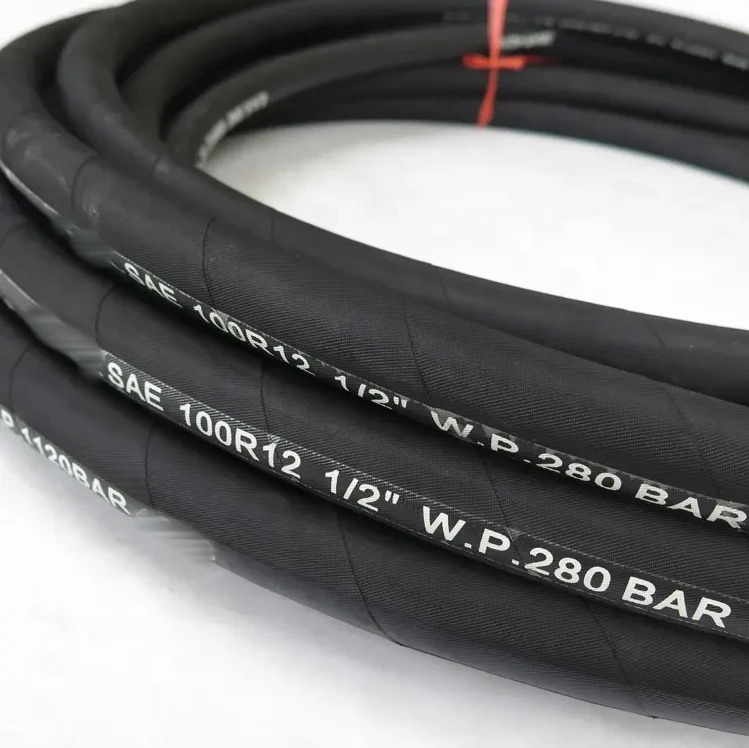
A: Layline markings provide critical information about the hose's manufacturer, standard compliance, manufacturing date, working pressure, and size. This information allows for traceability in case of failure and helps ensure that the hose meets the required specifications. It also helps identify counterfeit products.
Q: What is the impact of fluid velocity on hose lifespan?
A: High fluid velocity can increase internal erosion of the inner tube, particularly if the fluid contains abrasive particles. This accelerates wear and tear and can lead to premature failure. Proper sizing of the hose to maintain appropriate fluid velocity is essential.
Q: Can hydraulic hoses be repaired if they develop a minor leak?
A: Field repairs of hydraulic hoses are generally not recommended, especially for high-pressure applications. Attempting to repair a hose can compromise its structural integrity and increase the risk of catastrophic failure. Replacement is always the preferred option.
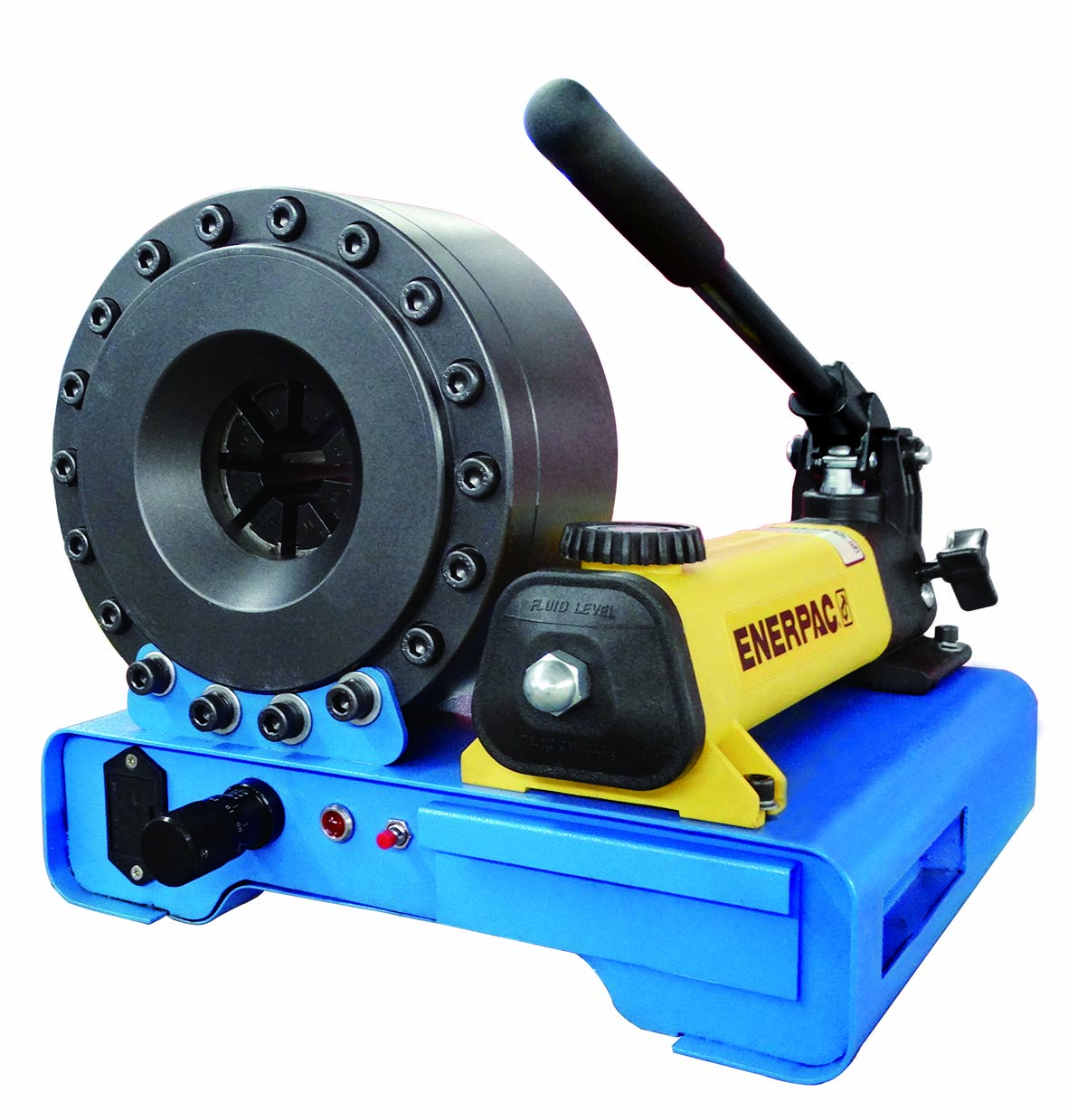
Q: How important is the proper crimping of hose ends, and what issues can arise from improper crimping?
A: Proper crimping is absolutely critical. Under-crimping can lead to leakage, while over-crimping can damage the hose reinforcement, reducing its pressure capacity and potentially causing premature failure. Crimping should be performed by qualified personnel using calibrated crimping equipment.
Conclusion
Two-wire braided hydraulic hoses are indispensable components in numerous industrial applications, demanding a meticulous understanding of material science, manufacturing processes, and performance characteristics. Maintaining quality control, ensuring adherence to international standards (SAE, EN, ISO), and implementing preventative maintenance practices are paramount for maximizing hose lifespan and preventing catastrophic failures. The selection of the appropriate hose for a specific application requires careful consideration of working pressure, temperature range, fluid compatibility, and environmental factors.
Looking ahead, advancements in materials science, such as the development of more durable and chemically resistant rubber compounds, and manufacturing technologies, like improved braiding techniques, will continue to enhance the performance and reliability of these critical hydraulic components. Furthermore, the increasing adoption of predictive maintenance strategies, utilizing sensor-based monitoring of hose condition, will play a crucial role in optimizing asset management and minimizing downtime.