
Apr . 01, 2024 17:55 Back to list
china two wire braided high pressure hydraulic hose manufacturers Performance Analysis
Introduction
Two-wire braided high-pressure hydraulic hoses manufactured in China represent a critical component in fluid power systems across diverse industries, including construction machinery, agricultural equipment, material handling, and industrial manufacturing. These hoses are engineered to transmit hydraulic fluid under significant pressure, facilitating the operation of hydraulic cylinders, motors, and other actuators. Their prevalence stems from a balance of cost-effectiveness, robust performance, and availability. This guide provides a comprehensive technical overview, delving into the material science, manufacturing processes, performance characteristics, potential failure modes, and relevant industry standards associated with these hoses. A key industry pain point is ensuring consistent quality and performance, particularly given varying manufacturing standards and material sourcing practices among different Chinese manufacturers. This necessitates rigorous quality control and understanding of the underlying engineering principles.
Material Science & Manufacturing
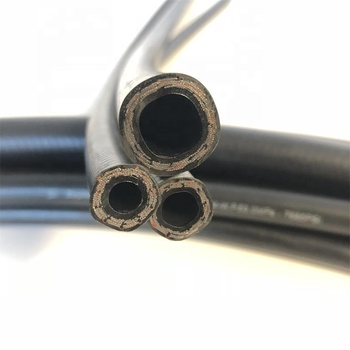
The construction of a two-wire braided high-pressure hydraulic hose involves several key material components. The inner tube is typically composed of oil-resistant synthetic rubber, such as nitrile (NBR), chloroprene (CR), or ethylene propylene diene monomer (EPDM). NBR offers excellent resistance to petroleum-based fluids, CR provides better ozone and weathering resistance, and EPDM excels in compatibility with phosphate ester fluids. The reinforcement layer consists of two braids of high-tensile steel wire, typically drawn from carbon steel, offering the structural strength to withstand high pressures. The outer cover is also made of synthetic rubber, often a blend of CR and NBR to provide abrasion resistance, weathering protection, and oil resistance. Manufacturing begins with extrusion of the inner tube to the specified dimensions. The steel wire is then braided around the inner tube using a specialized braiding machine, ensuring consistent braid angle and coverage. The outer cover is subsequently extruded over the braided reinforcement. Critical parameters during manufacturing include maintaining precise control over rubber compound formulation, wire diameter and braid angle, and extrusion temperatures and pressures. Improper parameter control can lead to inconsistencies in wall thickness, reduced burst pressure, and premature failure. Curing processes, involving both time and temperature control, are vital to achieve optimal rubber vulcanization and hose performance.
Performance & Engineering
The performance of two-wire braided hydraulic hoses is fundamentally dictated by their ability to withstand internal pressure without failure. Burst pressure, working pressure, and pulse pressure are critical performance metrics. Burst pressure is the pressure at which the hose fails catastrophically, while working pressure is a fraction of the burst pressure (typically 1/4) representing the maximum safe operating pressure. Pulse pressure refers to the ability of the hose to withstand repeated pressure fluctuations. Engineering considerations include stress analysis of the reinforcement braids under pressure, fatigue life prediction, and assessment of kink resistance. The hose's resistance to fluid compatibility is also paramount. Prolonged exposure to incompatible fluids can cause swelling, softening, or degradation of the rubber components, leading to leakage or failure. Environmental resistance, encompassing temperature extremes, ozone exposure, and UV radiation, must also be considered. Hydraulic hoses operating in cold environments can become brittle and prone to cracking, while exposure to UV radiation can accelerate rubber degradation. Compliance requirements, such as those outlined by SAE J517 and EN 856, dictate minimum performance standards and testing procedures.
Technical Specifications
| Parameter | Unit | SAE J517 R1AT Specification | Typical Chinese Manufacturer Range |
|---|---|---|---|
| Working Pressure | MPa | Up to 35 | 20 - 35 |
| Burst Pressure | MPa | Up to 140 | 80 - 140 |
| Temperature Range | °C | -40 to +100 | -40 to +80 (Some manufacturers up to +100) |
| Inner Tube Material | - | NBR, CR | NBR, CR, SBR |
| Reinforcement | - | Two Steel Wire Braids | Two Steel Wire Braids (Wire quality varies) |
| Outer Cover Material | - | CR | CR, NBR/CR Blend |
Failure Mode & Maintenance
Common failure modes in two-wire braided hydraulic hoses include burst failure due to exceeding the working pressure, pinhole leaks caused by abrasion or damage to the outer cover, and end fitting failures resulting from corrosion or improper installation. Fatigue cracking can occur in the steel wire braids due to repeated flexing and pressure cycling. Delamination, the separation of the rubber layers, can occur due to poor bonding between the inner tube, reinforcement, and outer cover. Oxidation of the rubber compounds, accelerated by high temperatures and exposure to oxygen, leads to hardening and cracking. Maintenance practices should include regular visual inspections for signs of abrasion, cracking, or leakage. Hoses should be replaced if any damage is detected. Proper routing and support of the hose are crucial to prevent excessive bending and abrasion. End fittings should be inspected for corrosion and tightness. Correct fluid selection and filtration are essential to prevent contamination and maintain hose integrity. Implementing a preventative maintenance schedule based on operating hours and environmental conditions is recommended. Failure analysis, involving examination of the fractured hose, can help identify the root cause of failure and prevent recurrence.
Industry FAQ
Q: What is the impact of steel wire quality on the hose's performance and longevity?
A: The quality of the steel wire used in the reinforcement braids directly impacts the hose’s burst pressure, fatigue life, and resistance to corrosion. Lower-quality steel wire may have inconsistent diameter, reduced tensile strength, and increased susceptibility to corrosion, leading to premature failure. Reputable manufacturers will utilize high-tensile steel conforming to industry standards and implement rigorous quality control measures.
Q: How does the choice of inner tube material affect fluid compatibility and service life?
A: The inner tube material must be compatible with the hydraulic fluid being used. Incompatible fluids can cause swelling, softening, or degradation of the rubber, leading to leaks and reduced service life. NBR is suitable for petroleum-based fluids, while EPDM is preferred for phosphate ester fluids. Proper material selection is crucial for long-term performance.
Q: What are the key differences between SAE J517 and EN 856 standards?
A: Both SAE J517 and EN 856 define performance requirements for hydraulic hoses, but they differ in testing procedures and acceptance criteria. SAE J517 is widely used in North America, while EN 856 is prevalent in Europe. Understanding these differences is critical for ensuring compliance with regional regulations.
Q: How can I minimize the risk of hose failure due to improper installation?
A: Proper installation is essential for maximizing hose life. Avoid sharp bends, excessive twisting, and kinking. Use the correct fittings and ensure they are securely tightened. Provide adequate support to prevent abrasion and flexing. Follow the manufacturer’s installation guidelines meticulously.
Q: What preventative maintenance measures are recommended for two-wire braided hydraulic hoses?
A: Regular visual inspections are key, looking for cracks, abrasion, leaks, and loose fittings. Monitor hydraulic fluid levels and filter condition. Implement a scheduled replacement program based on operating hours and environmental conditions. Document all inspections and maintenance activities.
Conclusion
Two-wire braided high-pressure hydraulic hoses manufactured in China are integral components in a wide array of hydraulic systems. Their performance is dictated by a complex interplay of material properties, manufacturing processes, and operational conditions. Understanding these factors is crucial for ensuring reliable operation and preventing premature failure. The selection of appropriate materials, adherence to stringent manufacturing standards, and implementation of effective maintenance practices are all essential for maximizing hose life and minimizing downtime.
Future advancements in hydraulic hose technology are likely to focus on developing more durable and lightweight materials, improving fluid compatibility, and enhancing resistance to environmental degradation. Continued refinement of manufacturing processes and quality control measures will be critical for maintaining consistent performance and meeting evolving industry demands. A commitment to rigorous testing and adherence to international standards will ensure the continued reliability and safety of these critical components.