
Apr . 01, 2024 17:55 Back to list
china thermoplastic hose sae100r7 supplier Performance Analysis
Introduction
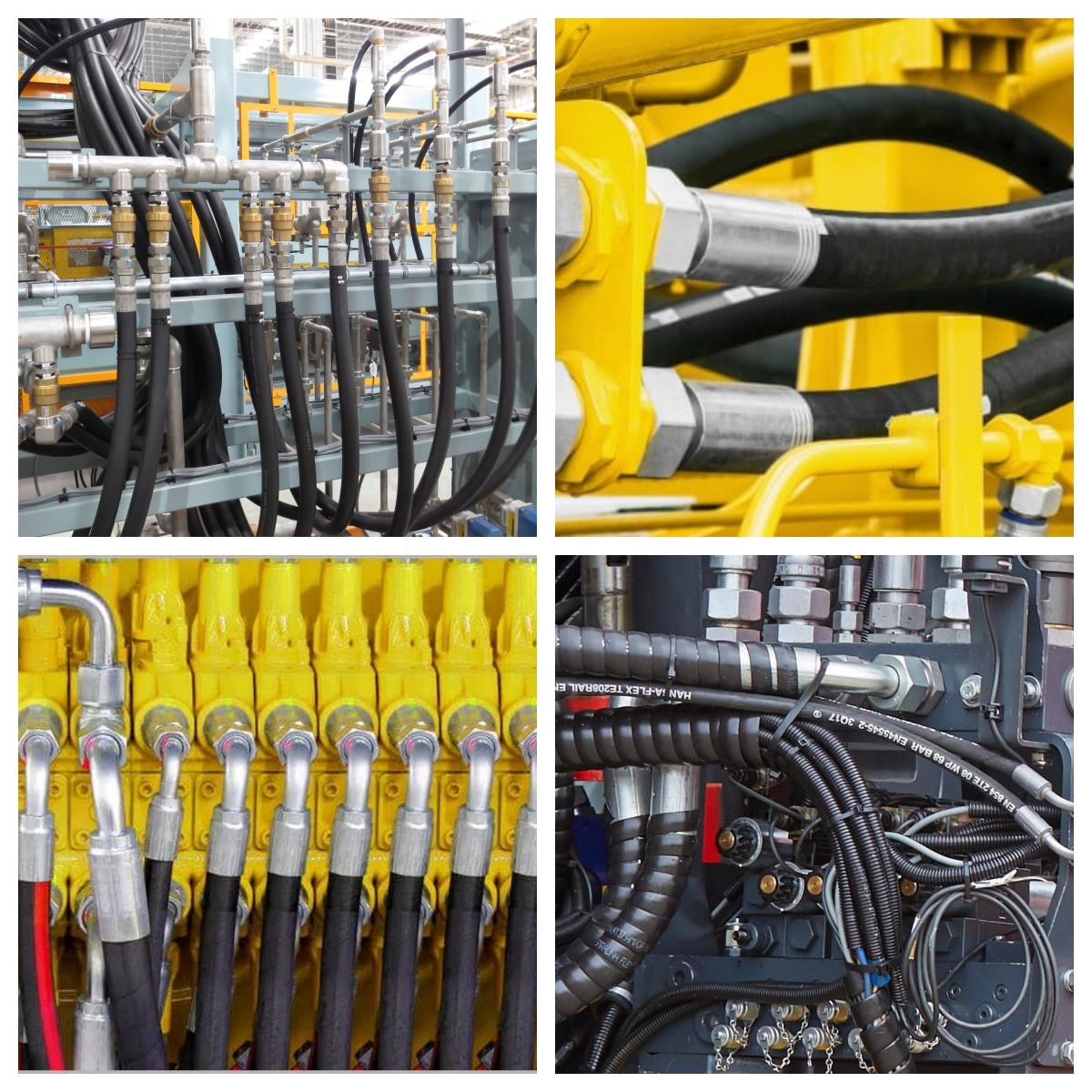
Thermoplastic hoses conforming to the SAE 100R7 standard are critical fluid conveyance components utilized across diverse industrial applications, including hydraulic systems, automotive machinery, and agricultural equipment. These hoses are specifically engineered to transmit petroleum-based fluids, encompassing hydraulic oil, fuel oil, and lubricating oil. China has emerged as a significant global supplier of these hoses, offering competitive pricing and increasing technical capabilities. The SAE 100R7 specification defines performance criteria related to pressure resistance, temperature tolerance, and fluid compatibility, necessitating stringent quality control throughout the manufacturing process. This guide provides an in-depth technical analysis of these hoses, covering material science, manufacturing methods, performance characteristics, failure modes, and relevant industry standards. A key industry pain point lies in ensuring consistent quality and traceability from Chinese suppliers, alongside verifying compliance with the demanding performance requirements of SAE 100R7. This is further complicated by variations in raw material sourcing and manufacturing techniques, requiring careful due diligence.
Material Science & Manufacturing
SAE 100R7 thermoplastic hoses are typically constructed from a combination of materials. The inner tube is commonly composed of a thermoplastic material such as Polyamide (Nylon 11 or Nylon 12) owing to their excellent resistance to petroleum-based fluids, abrasion resistance, and dimensional stability. The reinforcement layer usually consists of multiple layers of high-tensile strength synthetic fiber braiding – typically polyester or aramid – which provides the hose with its pressure-withstanding capability. An external cover, typically made of Polyurethane, provides protection against abrasion, weathering, and ozone degradation. Raw material selection significantly impacts performance; Nylon 11, while more expensive, offers superior permeation resistance compared to Nylon 12.
Manufacturing involves several key processes. The inner tube is extruded through a die to achieve the desired inner diameter and wall thickness. Precise temperature control during extrusion is crucial to avoid material degradation and ensure dimensional accuracy. The reinforcement braid is then applied using automated braiding machines, meticulously controlling braid angle and tension to ensure uniform pressure distribution. The cover is subsequently extruded over the braided reinforcement, creating a bonded, multi-layer structure. Critical parameters during cover extrusion include melt temperature, die pressure, and cooling rate. Post-processing steps include pressure testing to 100% of the working pressure, dimensional inspection, and leak testing. Quality control focuses on material certification (ensuring compliance with relevant ASTM standards for the polymers), braid density assessment, and adhesion strength between layers. Variations in braiding tension can lead to localized weaknesses, significantly impacting burst pressure.
Performance & Engineering
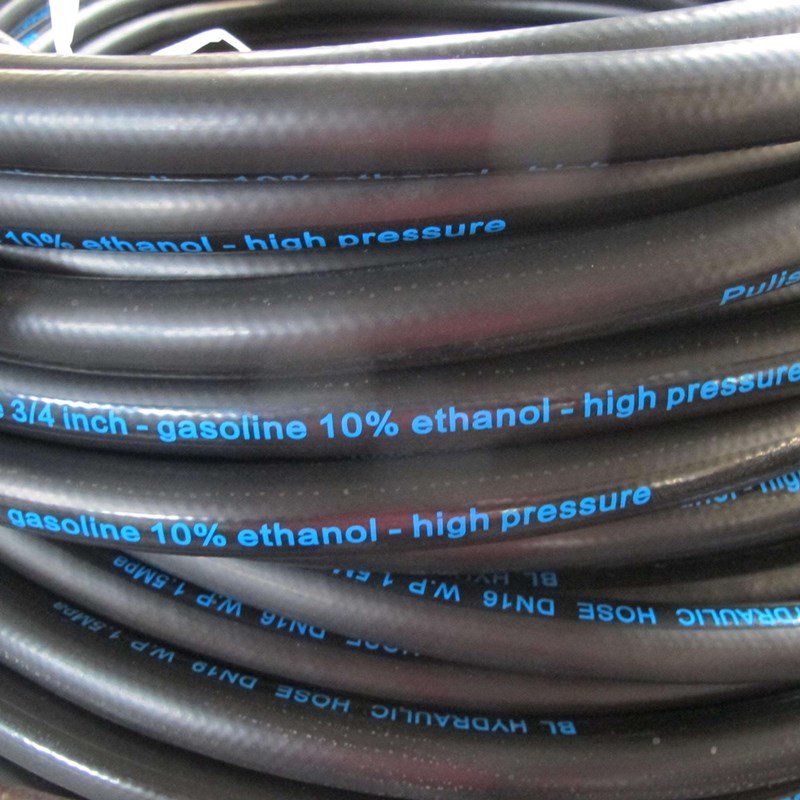
The performance of SAE 100R7 hoses is dictated by several critical engineering parameters. Burst pressure, the maximum pressure the hose can withstand before failure, is directly related to the reinforcement layer’s strength and braid angle. Working pressure is typically rated at 50% of the burst pressure, providing a safety factor. Temperature range is crucial, as both high and low temperatures can affect material properties; the standard specifies performance characteristics between -40°C and +100°C. Fluid compatibility is paramount, with the inner tube material needing to resist swelling, degradation, or leaching when exposed to the intended fluid. Permeation, the rate at which fluids can migrate through the hose wall, is also important, particularly for applications involving hazardous fluids.
Force analysis includes hoop stress calculation, which determines the stress on the hose wall due to internal pressure. Finite Element Analysis (FEA) is often employed to optimize hose geometry and reinforcement layer design to minimize stress concentrations. Environmental resistance considerations include UV exposure, ozone degradation, and chemical attack from external sources. Compliance requirements mandate adherence to SAE J517, which specifies performance test methods for hydraulic hoses, including pressure testing, impulse testing (cyclic pressure testing), and temperature cycling. A common industry challenge is maintaining consistent performance across different batch production runs, necessitating robust statistical process control (SPC) and thorough quality assurance procedures.
Technical Specifications
| Parameter | Unit | SAE 100R7 Specification | Typical Chinese Supplier Range |
|---|---|---|---|
| Working Pressure | MPa | Up to 21 MPa | 17-21 MPa |
| Burst Pressure | MPa | Minimum 63 MPa | 55-65 MPa |
| Temperature Range | °C | -40 to +100 | -40 to +95 (some variations) |
| Inner Tube Material | - | Nylon 11 or Nylon 12 | Nylon 11, Nylon 12 (varying quality) |
| Reinforcement | Layers | Multiple layers of synthetic fiber braid | 2-6 layers (polyester or aramid) |
| Cover Material | - | Polyurethane | Polyurethane (varying abrasion resistance) |
Failure Mode & Maintenance
SAE 100R7 hoses are susceptible to several failure modes. Fatigue cracking, particularly at the connection points, is common due to repeated flexing and pressure cycling. This can be exacerbated by improper installation (tight bending radius). Delamination, the separation of layers within the hose wall, can occur due to poor adhesion between the inner tube, reinforcement, and cover. This is often a result of inadequate bonding during manufacturing. Degradation of the inner tube material can occur due to prolonged exposure to incompatible fluids or extreme temperatures, leading to swelling, softening, or cracking. Oxidation of the cover material can occur due to UV exposure and ozone attack, resulting in surface cracking and loss of flexibility.
Preventative maintenance includes regular visual inspections for signs of cracking, abrasion, or swelling. Hose connections should be checked for tightness and corrosion. Avoid exceeding the maximum working pressure and temperature limits. Protect the hose from sharp objects and excessive bending. Proper storage is essential; hoses should be stored in a cool, dry place away from direct sunlight. In the event of a suspected failure, the hose should be immediately removed from service and replaced. Conducting regular impulse testing (simulating cyclic pressure) can help identify potential weaknesses before catastrophic failure. Failure analysis should include microscopic examination of the fracture surface to determine the root cause of failure.
Industry FAQ
Q: What is the significance of the braid angle in SAE 100R7 hose construction?
A: The braid angle directly impacts the hose’s pressure-withstanding capability. A smaller braid angle generally provides higher pressure resistance but can reduce flexibility. Optimizing the braid angle is a critical engineering trade-off. Consistent braid angle and tension are paramount for uniform pressure distribution and prevent localized weaknesses.
Q: How does the choice of inner tube material (Nylon 11 vs. Nylon 12) affect performance?
A: Nylon 11 offers superior permeation resistance compared to Nylon 12, meaning it's less likely to allow fluids to migrate through the hose wall. This is particularly important for applications involving hazardous or expensive fluids. However, Nylon 11 is generally more expensive than Nylon 12.
Q: What are the common causes of delamination in these hoses?
A: Delamination often results from poor adhesion between the inner tube, reinforcement, and cover layers, typically caused by inadequate bonding during the manufacturing process. Contamination on the surfaces to be bonded can also contribute to this failure mode. Proper surface preparation and adhesive selection are critical.
Q: How can I verify the quality of a hose sourced from a Chinese supplier?
A: Thorough quality control measures are essential. This includes requesting material certifications (ASTM standards), conducting independent pressure testing, and performing dimensional inspections. Auditing the supplier's manufacturing facility is also recommended to assess their quality control processes.
Q: What is the importance of impulse testing and how frequently should it be performed?
A: Impulse testing simulates the effects of cyclic pressure, which is common in hydraulic systems. It helps identify potential weaknesses in the hose that may not be apparent during static pressure testing. The frequency of impulse testing should be based on the application and severity of the pressure cycling, but regular testing (e.g., annually or after significant production changes) is recommended.
Conclusion
SAE 100R7 thermoplastic hoses are indispensable components in numerous industrial applications, demanding precise material selection, manufacturing control, and adherence to stringent performance standards. China's role as a leading supplier presents opportunities for cost-effectiveness but necessitates rigorous quality assurance and due diligence to ensure consistent compliance with SAE specifications. Understanding the fundamental material properties, manufacturing processes, and potential failure modes is paramount for selecting and maintaining these critical fluid conveyance systems.
Moving forward, advancements in thermoplastic materials and braiding technologies are likely to yield hoses with enhanced performance characteristics, including increased pressure resistance, improved temperature tolerance, and reduced permeation rates. Continued focus on statistical process control (SPC) and robust failure analysis will be crucial for minimizing the risk of catastrophic failures and maximizing the lifespan of these hoses, solidifying their reliability within demanding industrial environments.