
Apr . 01, 2024 17:55 Back to list
china thermoplastic hose sae100r7 manufacturers Performance Analysis
Introduction
Thermoplastic hoses conforming to SAE 100R7 standards are critical components in fluid power systems across a multitude of industries, including agriculture, construction, and manufacturing. These hoses are engineered to convey hydraulic fluid under pressure, transmitting power to actuators and hydraulic machinery. China has emerged as a significant manufacturing hub for these hoses, offering a range of quality and price points. The SAE 100R7 specification dictates stringent requirements concerning pressure rating, temperature range, and fluid compatibility. This guide provides an in-depth technical assessment of these hoses, covering material science, manufacturing processes, performance characteristics, potential failure modes, and relevant industry standards, specifically focusing on the capabilities and considerations for sourcing from china thermoplastic hose sae100r7 manufacturers. A core industry pain point centers on verifying consistent adherence to SAE 100R7 specifications, particularly given the prevalence of varying quality control measures among manufacturers. Understanding the nuances of the manufacturing process and material properties is essential for effective procurement and application.
Material Science & Manufacturing
SAE 100R7 thermoplastic hoses are typically constructed from a thermoplastic inner tube, multiple layers of high-tensile synthetic fiber reinforcement, and a durable thermoplastic cover. The inner tube material is most commonly polyamide (Nylon 11 or Nylon 12) due to its excellent resistance to hydraulic fluids, abrasion, and permeation. Nylon 11, while more expensive, offers superior chemical resistance and dimensional stability compared to Nylon 12. The reinforcement layers consist of spirally wound, high-tensile strength fibers – often polyester, aramid, or a combination thereof. Aramid fibers provide the highest tensile strength but are susceptible to moisture absorption, potentially affecting dimensional stability. The cover material, often a modified polypropylene or polyethylene blend, provides abrasion resistance, weather protection, and resistance to oil and fuel.
Manufacturing involves several key processes: Extrusion forms the inner tube and outer cover. Precise temperature control during extrusion is critical to ensure uniform wall thickness and material properties. Fiber winding is a highly automated process where the reinforcement fibers are applied helically under tension. The tension is a critical parameter; insufficient tension compromises burst pressure, while excessive tension can damage the fibers. Subsequent vulcanization (curing) bonds the layers together, ensuring structural integrity. Post-curing inspection includes dimensional checks, burst pressure testing (performed statistically using sample hoses), and fluid compatibility testing. China thermoplastic hose sae100r7 manufacturers often utilize automated extrusion and winding lines to achieve high production volumes. Quality control variations among manufacturers necessitate rigorous incoming inspection of raw materials and finished goods.
Performance & Engineering
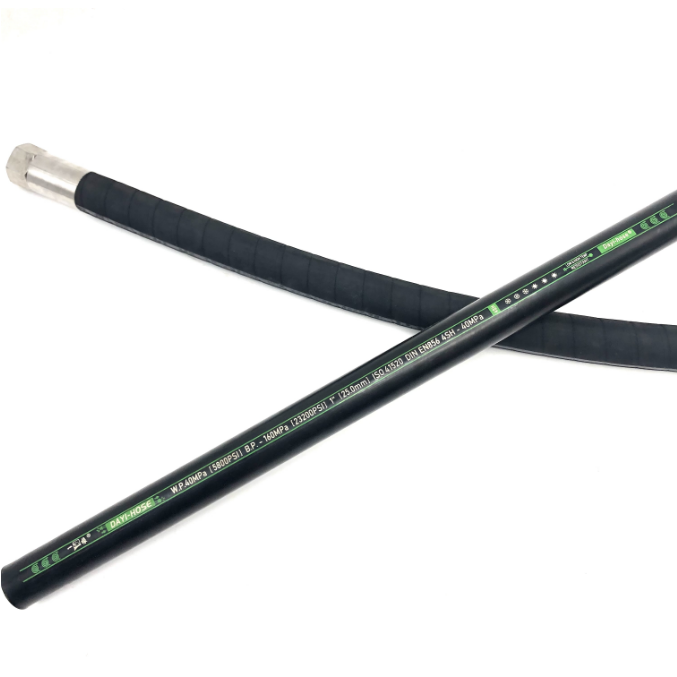
The performance of SAE 100R7 hoses is defined by several critical parameters: Working Pressure (WP), Burst Pressure (BP), and Temperature Range. WP is the maximum continuous operating pressure, typically expressed in PSI or bar. BP is the pressure at which the hose fails, usually four times the WP. Temperature range dictates the permissible operating temperature, impacting the hose's flexibility and resistance to degradation. Force analysis during operation considers internal pressure, external bending forces, and axial tension. Internal pressure creates hoop stress within the hose wall, while bending induces compressive stress on the inner radius and tensile stress on the outer radius. Repeated bending can lead to fatigue failure.
Environmental resistance is another vital consideration. Prolonged exposure to ozone, UV radiation, and chemicals can degrade the hose materials, reducing their performance and lifespan. SAE 100R7 hoses must demonstrate resistance to common hydraulic fluids, including mineral oils, synthetic fluids, and water-glycol mixtures. Compliance requirements extend beyond SAE standards. REACH (Registration, Evaluation, Authorisation and Restriction of Chemicals) regulations in Europe restrict the use of certain hazardous substances in hose materials. Furthermore, proper hose assembly – including the selection of compatible fittings and correct crimping procedures – is essential for ensuring long-term reliability. Incorrect crimping can either loosen the fitting, leading to leakage, or over-stress the hose, increasing the risk of failure.
Technical Specifications
| Parameter | Unit | SAE 100R7 Specification | Typical Range (China Manufacturers) |
|---|---|---|---|
| Working Pressure | PSI | Up to 6,000 | 2,000 – 6,000 |
| Burst Pressure | PSI | 4 x Working Pressure | 8,000 – 24,000 |
| Temperature Range | °F | -40 to +250 | -40 to +266 |
| Inner Tube Material | - | Nylon 11 or Nylon 12 | Nylon 11, Nylon 12 |
| Reinforcement | Layers | Multiple Spiral Layers | 2-6 Spiral Layers (Polyester, Aramid) |
| Cover Material | - | Thermoplastic (Polypropylene, Polyethylene) | Thermoplastic (Polypropylene, Polyethylene) |
Failure Mode & Maintenance
Common failure modes for SAE 100R7 hoses include: Fatigue Cracking: Caused by repeated bending and flexing, leading to cracks in the reinforcement layers or hose wall. Pinholes: Small punctures in the inner tube, often caused by abrasive particles in the hydraulic fluid. Bursting: Sudden and catastrophic failure due to exceeding the working pressure or a pre-existing flaw. Delamination: Separation of the reinforcement layers from the inner tube or cover, reducing the hose's strength. Oxidation and Degradation: Caused by exposure to ozone, UV radiation, and high temperatures, leading to material embrittlement.
Preventative maintenance is crucial for maximizing hose lifespan. Regular visual inspections should be performed to identify cracks, abrasions, and leaks. Fluid cleanliness is paramount; filtering hydraulic fluid removes abrasive particles that can cause pinholes and accelerate wear. Hose routing should avoid sharp bends and contact with hot surfaces. Proper hose support prevents excessive bending stresses. When replacing a hose, ensure the new hose has the correct specifications (pressure rating, temperature range, and fluid compatibility) and that compatible fittings are used. Crimping should be performed using calibrated tooling and following the fitting manufacturer’s recommendations. China thermoplastic hose sae100r7 manufacturers may offer varying levels of post-sale support, so choosing a supplier with comprehensive quality control and technical assistance is vital.
Industry FAQ
Q: What is the significance of the 'dash size' designation (e.g., -4, -6, -8) in SAE 100R7 hoses?
A: The dash size refers to the hose's inner diameter in sixteenths of an inch. For example, a -6 hose has a 6/16 inch (3/8 inch) inner diameter. This designation is critical for selecting the appropriate hose size based on flow rate and system pressure requirements. Using an undersized hose will restrict flow and increase pressure drop, while an oversized hose may be more prone to damage from excessive flexing.
Q: How can I verify that a hose purchased from a china thermoplastic hose sae100r7 manufacturer genuinely meets SAE 100R7 standards?
A: Request documentation, including a Certificate of Conformity (COC) stating the hose has been tested to and meets SAE 100R7 requirements. Ideally, the COC should reference the testing laboratory and test reports. Independent third-party testing is the most reliable verification method. Also, request material certifications for the inner tube, reinforcement, and cover materials.
Q: What are the potential drawbacks of using aramid reinforcement in SAE 100R7 hoses?
A: Aramid fibers offer exceptional tensile strength, but they are susceptible to moisture absorption, which can lead to dimensional instability and a reduction in burst pressure. They also exhibit lower resistance to UV degradation compared to polyester. Properly engineered aramid-reinforced hoses mitigate these issues with protective coatings, but it’s a factor to consider.
Q: What impact does hydraulic fluid type have on the lifespan of a thermoplastic hose?
A: Different hydraulic fluids have varying levels of chemical compatibility with the hose materials. Using an incompatible fluid can cause swelling, softening, or degradation of the inner tube, leading to premature failure. Always refer to the hose manufacturer's fluid compatibility chart to ensure the hose is suitable for the intended fluid.
Q: How important is proper crimping when assembling SAE 100R7 hoses?
A: Proper crimping is absolutely critical. Under-crimping can result in leakage, while over-crimping can damage the hose reinforcement, reducing its burst pressure and lifespan. Crimping should be performed using a calibrated crimping machine and dies specifically designed for the hose and fitting combination, following the fitting manufacturer's instructions.
Conclusion
SAE 100R7 thermoplastic hoses are essential components in numerous hydraulic systems, and sourcing from china thermoplastic hose sae100r7 manufacturers presents both opportunities and challenges. Understanding the material science, manufacturing processes, and performance characteristics detailed in this guide is crucial for making informed procurement decisions. Ensuring consistent adherence to SAE 100R7 specifications requires rigorous quality control measures, including material certifications, independent testing, and thorough incoming inspection of finished goods.
Looking forward, advancements in thermoplastic materials and manufacturing technologies will likely lead to hoses with improved performance, durability, and chemical resistance. Increased emphasis on sustainable materials and manufacturing processes will also become increasingly important. By prioritizing quality, adhering to industry standards, and implementing preventative maintenance practices, users can maximize the lifespan and reliability of SAE 100R7 hoses and minimize the risk of costly failures.