
Apr . 01, 2024 17:55 Back to list
china thermoplastic hose sae100r7 factory Performance Analysis
Introduction
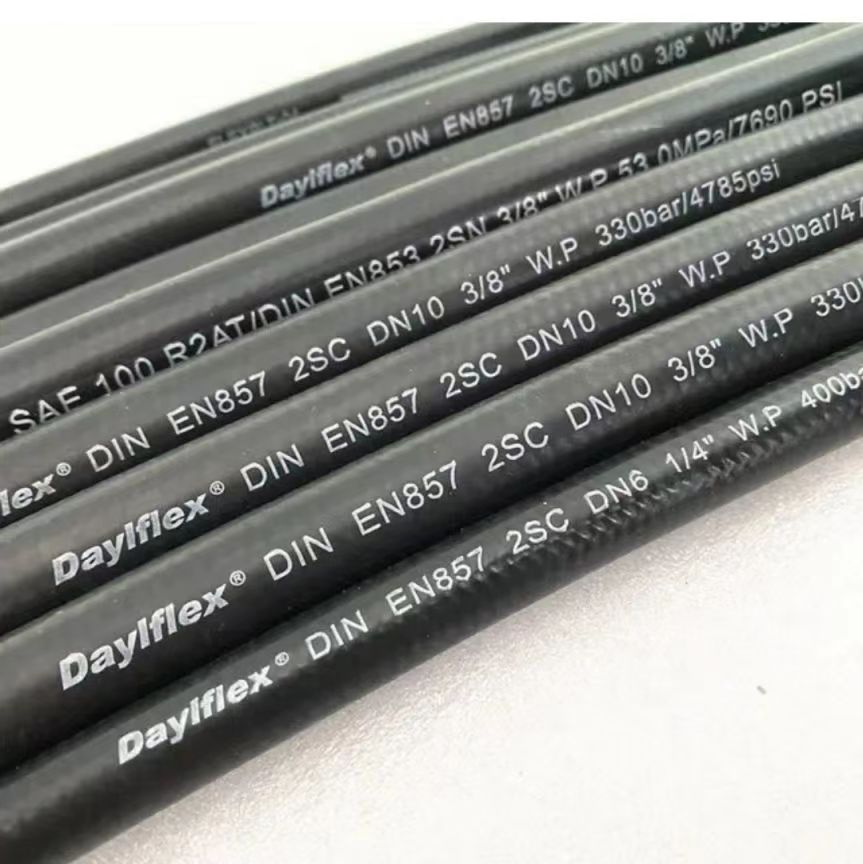
Thermoplastic hose conforming to SAE 100R7 standards represents a critical component in hydraulic systems across numerous industrial applications. These hoses are engineered for the conveyance of petroleum-based hydraulic fluids at moderate to high pressures and temperatures. Manufactured predominantly in facilities like china thermoplastic hose sae100r7 factory, they utilize a layered construction comprising a thermoplastic inner tube, reinforcement layers (typically textile or aramid), and a polyurethane or similar abrasion-resistant outer cover. The primary function is reliable fluid transfer, contributing to the efficient operation and safety of machinery in sectors like construction, agriculture, and manufacturing. The key performance characteristics defining suitability include pressure rating, temperature range, fluid compatibility, and resistance to environmental factors. Understanding these attributes is vital for correct hose selection and preventative maintenance, addressing a common pain point in industrial settings where unexpected failure can lead to costly downtime and safety hazards. This guide details the material science, manufacturing processes, performance parameters, potential failure modes, and relevant standards governing these hoses.
Material Science & Manufacturing
The foundation of SAE 100R7 thermoplastic hose lies in the selection of appropriate materials for each layer. The inner tube is commonly constructed from a polyamide (Nylon 12) or polyester thermoplastic, chosen for its excellent resistance to petroleum-based fluids, abrasion, and permeation. Nylon 12 offers superior chemical resistance, particularly to fuels and oils, while polyester provides a balance of properties and cost-effectiveness. The reinforcement layer is typically composed of multiple plies of high-tenacity synthetic fibers, such as polyester or aramid (e.g., Kevlar). These fibers provide the necessary tensile strength to withstand the internal hydraulic pressure. Aramid reinforcement is preferred for higher-pressure applications due to its superior strength-to-weight ratio and resistance to stretching. The outer cover is generally made of polyurethane, offering excellent abrasion resistance, oil resistance, and weatherability. The manufacturing process usually begins with extrusion of the thermoplastic inner tube. Subsequent layers of reinforcement are spirally wrapped or braided onto the tube, followed by the application of the outer cover via extrusion or molding. Critical process parameters include extrusion temperature, reinforcement tension, and curing conditions for the outer cover. Precise control of these parameters ensures consistent wall thickness, adequate bond strength between layers, and overall hose integrity. Quality control involves dimensional checks, pressure testing, and fluid compatibility assessments, often adhering to stringent standards set by china thermoplastic hose sae100r7 factory to ensure compliance.
Performance & Engineering
The performance of SAE 100R7 thermoplastic hose is governed by a combination of material properties and engineering design. Force analysis focuses on hoop stress within the hose wall due to internal pressure, requiring adequate reinforcement to prevent bursting. Burst pressure is a critical specification, typically exceeding the working pressure by a safety factor of 4:1. Temperature resistance is another key consideration, as both high and low temperatures can affect the hose’s flexibility and pressure capacity. Prolonged exposure to elevated temperatures can cause the thermoplastic material to soften, reducing its ability to withstand pressure. Conversely, low temperatures can lead to brittleness and cracking. Environmental resistance, particularly to ozone, UV radiation, and oil exposure, is also paramount. Degradation of the outer cover due to these factors can compromise the hose’s structural integrity. Compliance with SAE 100R7 standards mandates specific testing procedures to verify these performance characteristics, including pressure testing at various temperatures, impulse testing to simulate pulsating flow, and dimensional checks. Functional implementation requires proper hose routing to avoid kinking or abrasion, appropriate fitting selection to ensure a secure and leak-proof connection, and regular inspection for signs of wear or damage. A common industry pain point is selecting the correct hose for a specific application, often leading to premature failure or safety risks. Accurate consideration of fluid type, pressure, temperature, and environmental conditions is crucial.
Technical Specifications
| Parameter | Unit | SAE 100R7 - 1 Wire Braid | SAE 100R7 - 2 Wire Braid |
|---|---|---|---|
| Working Pressure | MPa | 20.7 | 34.5 |
| Burst Pressure | MPa | 82.7 | 138 |
| Temperature Range | °C | -40 to +100 | -40 to +100 |
| Inner Tube Material | - | Nylon 12 | Nylon 12 |
| Reinforcement | - | 1 Polyester Braid | 2 Polyester Braid |
| Outer Cover Material | - | Polyurethane | Polyurethane |
Failure Mode & Maintenance
Failure modes in SAE 100R7 thermoplastic hoses are diverse, often stemming from a combination of factors. Fatigue cracking, particularly in the reinforcement layers, is a common issue caused by repeated flexing and pressure cycling. This is exacerbated by improper hose routing or abrasion. Delamination, the separation of layers within the hose wall, can occur due to inadequate bonding between materials or exposure to aggressive fluids. Degradation of the thermoplastic inner tube due to chemical incompatibility or prolonged exposure to high temperatures can lead to permeation and loss of fluid. Oxidation of the outer cover can result in cracking and loss of abrasion resistance. Failure analysis often involves microscopic examination of the fractured surface to identify the root cause. Preventative maintenance is crucial. Regular visual inspections should be conducted to check for cuts, abrasions, bulges, or leaks. Hoses should be replaced if any signs of damage are observed. Proper storage is also important, avoiding direct sunlight and extreme temperatures. Flushing the hydraulic system periodically to remove contaminants can extend hose life. When replacing hoses, ensure compatibility with the hydraulic fluid and use fittings specifically designed for thermoplastic hoses. china thermoplastic hose sae100r7 factory emphasizes routine inspection protocols, but end-users bear the responsibility for implementing them effectively.
Industry FAQ
Q: What is the impact of using an incompatible hydraulic fluid with an SAE 100R7 hose?
A: Using an incompatible hydraulic fluid can lead to significant hose degradation. Certain fluids can cause the thermoplastic inner tube to swell, soften, or even dissolve, compromising its pressure-holding capacity. This can result in leakage, hose rupture, and potential safety hazards. Always verify fluid compatibility with the hose manufacturer’s specifications.
Q: How does impulse pressure affect the lifespan of a thermoplastic hose?
A: Impulse pressure, or pressure spikes, creates dynamic stress on the hose wall that is far greater than the steady-state working pressure. Repeated impulse pressures accelerate fatigue cracking in the reinforcement layers, significantly reducing the hose’s lifespan. Utilizing hoses specifically rated for impulse applications and implementing dampening measures in the hydraulic system are critical.
Q: What is the recommended torque for tightening hose fittings?
A: Incorrect torque can lead to leaks or damage to the hose or fitting. Under-torquing can result in leakage, while over-torquing can distort the hose end or strip the threads. Always refer to the fitting manufacturer’s specifications for the recommended torque value and use a calibrated torque wrench.
Q: Can a thermoplastic hose be repaired if it develops a small leak?
A: Generally, repairing a thermoplastic hose is not recommended. Any damage to the hose wall compromises its structural integrity and can lead to catastrophic failure. Replacement is the safest and most reliable course of action. Attempting repairs may void warranties and create a safety hazard.
Q: What is the difference between Nylon 12 and Polyester inner tubes in SAE 100R7 hoses?
A: Nylon 12 offers superior chemical resistance, particularly to fuels and oils, and lower permeability. Polyester provides a good balance of properties and is often more cost-effective. Nylon 12 is preferred for applications involving demanding fluids or environments, while polyester is suitable for less aggressive conditions.
Conclusion
SAE 100R7 thermoplastic hose represents a robust and versatile solution for hydraulic fluid conveyance. Its performance hinges upon a carefully engineered layered construction, utilizing materials selected for their chemical resistance, mechanical strength, and environmental durability. Understanding the interplay between material properties, manufacturing processes, and operational parameters is critical for ensuring long-term reliability and preventing premature failure.
The selection of the appropriate hose, proper installation, and diligent maintenance are paramount to minimizing downtime and maximizing safety. Ongoing adherence to industry standards, like those defined by SAE, and quality control measures employed by manufacturers like china thermoplastic hose sae100r7 factory, are essential for maintaining the integrity of hydraulic systems and mitigating the risks associated with fluid power applications.