
Apr . 01, 2024 17:55 Back to list
china thermoplastic hose sae100r7 factories Performance Analysis
Introduction
Thermoplastic hoses conforming to SAE 100R7 standards represent a critical component in hydraulic systems across diverse industries, including construction, agriculture, and manufacturing. China has emerged as a dominant manufacturing hub for these hoses, driven by competitive pricing, increasing technological sophistication, and substantial production capacity. SAE 100R7 specifies requirements for non-metallic, synthetic, flexible hoses with reinforced construction intended for use with hydraulic fluids. These hoses are characterized by their ability to withstand high pressures, resist abrasion, and maintain flexibility over a wide temperature range. A key challenge for procurement managers is navigating the diverse landscape of Chinese manufacturers to identify those capable of consistently meeting rigorous quality standards and international certifications. This guide will provide an in-depth technical overview of these hoses, encompassing material science, manufacturing processes, performance characteristics, failure modes, and industry best practices, specifically focusing on capabilities and considerations when sourcing from China.
Material Science & Manufacturing
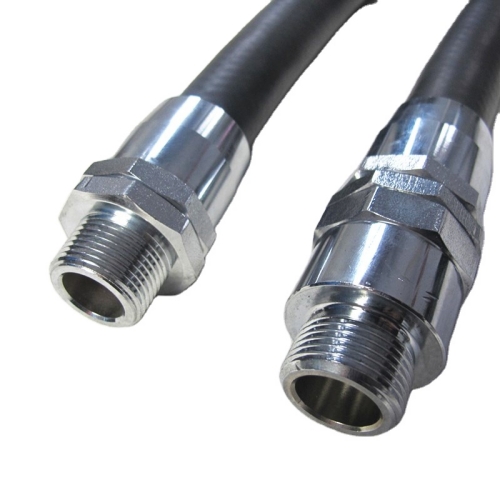
SAE 100R7 thermoplastic hoses are typically constructed from three primary layers: the inner tube, the reinforcement layer, and the outer cover. The inner tube commonly utilizes a thermoplastic material such as polypropylene (PP), polyamide (PA – Nylon), or polyester (PBT). Polypropylene offers good chemical resistance and low cost, but lower temperature performance. Polyamide provides superior temperature resistance and strength but may exhibit higher moisture absorption. Polyester balances these properties, offering moderate temperature resistance and good chemical compatibility. The reinforcement layer is crucial for pressure handling and typically consists of multiple high-tensile strength textile braids or spiral-wound steel wire. Textile reinforcement, usually polyester or aramid, contributes to flexibility, while steel wire provides significantly higher pressure capacity. The outer cover is generally constructed from a durable thermoplastic elastomer (TPE) such as polyurethane (PU) or PVC, offering abrasion resistance, weather protection, and resistance to oil and fuels.
Manufacturing processes involve extrusion of the inner tube and outer cover, followed by reinforcement application. Extrusion parameters – including melt temperature, screw speed, and die pressure – are critical to ensure consistent wall thickness and material properties. Reinforcement application typically utilizes automated braiding or winding machines, demanding precise tension control to avoid gaps or overlaps that compromise hose integrity. Post-processing steps include curing (for certain cover materials), dimensional inspection, and hydraulic pressure testing to verify performance. Key parameter control in Chinese factories includes raw material sourcing (consistent polymer grades, reliable steel wire suppliers), extrusion process stability (temperature uniformity, consistent flow rates), reinforcement layer quality (braid angle, winding density), and rigorous quality control procedures throughout the manufacturing process. Failure to control these parameters results in inconsistent performance, premature failure, and safety hazards.
Performance & Engineering
The performance of SAE 100R7 hoses is dictated by several key engineering factors. Burst pressure, defined as the pressure at which the hose fails catastrophically, is a primary specification. Working pressure, typically calculated as 50% of burst pressure, represents the maximum continuous operating pressure. Impulse pressure, which simulates pressure surges in hydraulic systems, requires the hose to withstand repeated pressure fluctuations without failure. Fatigue life, determined through cyclic pressure testing, assesses long-term durability. Environmental resistance is also critical; hoses must maintain flexibility and strength in varying temperatures (-40°C to +100°C is common) and when exposed to hydraulic fluids, oils, fuels, and other chemicals.
Force analysis focuses on hoop stress (circumferential stress within the hose wall due to internal pressure) and longitudinal stress (stress along the hose length). Higher pressure and smaller hose diameters result in increased hoop stress. Reinforcement layers are engineered to manage these stresses effectively. Compliance with SAE 100R7 requires extensive testing, including burst pressure testing, impulse testing, temperature cycling, and fluid compatibility testing. A common failure mode linked to improper engineering is insufficient reinforcement leading to premature rupture. Chinese manufacturers are increasingly adopting Finite Element Analysis (FEA) software to optimize hose designs and predict performance under various loading conditions. Proper hose routing, avoiding sharp bends and excessive strain, is essential for maximizing service life. Correct fitting selection, ensuring compatible taper angles and secure crimping, is equally important.
Technical Specifications
| Parameter | Unit | SAE 100R7 Specification (Typical) | Typical Chinese Factory Range (Quality Dependent) |
|---|---|---|---|
| Working Pressure | MPa | 20.7 | 17 – 24 |
| Burst Pressure | MPa | 82.7 | 69 – 96 |
| Temperature Range | °C | -40 to +100 | -40 to +120 (Material Dependent) |
| Inner Tube Material | - | PP, PA, PBT | PP, PA6, PA66, PBT |
| Reinforcement | - | Textile Braid (Polyester, Aramid), Steel Wire Spiral | Polyester, Aramid, High-Tensile Steel Wire |
| Outer Cover Material | - | PU, PVC | PU, PVC |
Failure Mode & Maintenance
Common failure modes in SAE 100R7 hoses include burst failure due to exceeding pressure limits, fatigue cracking caused by repeated flexing and impulse pressures, abrasion damage from external contact, and chemical degradation from incompatible fluids. Internal abrasion can occur from particulate contamination within the hydraulic fluid. Pinholes in the cover can result from ozone cracking or mechanical damage. Delamination, the separation of layers, is often caused by inadequate bonding during manufacturing or exposure to harsh chemicals. Oxidation of the inner tube material can lead to brittleness and cracking over time.
Preventative maintenance is crucial for maximizing hose life. Regular visual inspections should identify signs of abrasion, cracking, or swelling. Pressure testing can detect leaks or weakened areas. Fluid filtration is essential to remove contaminants that contribute to internal abrasion. Proper hose routing and support are vital to avoid excessive bending and strain. When replacing hoses, ensure compatibility with the hydraulic fluid and operating conditions. Crimping procedures must be precise and utilize correctly sized dies. Chinese manufacturers are beginning to offer advanced hose diagnostic services, including ultrasonic testing to detect internal flaws. Proper storage – avoiding direct sunlight and extreme temperatures – is also important to prevent premature degradation. Disposal should be handled in accordance with local environmental regulations.
Industry FAQ
Q: What is the typical lead time for a large order of SAE 100R7 hose from a Chinese factory?
A: Lead times vary significantly based on order volume, material availability, and factory capacity. Generally, expect 30-60 days for a substantial order (e.g., multiple containers). Complex specifications or custom color requirements can extend lead times. It's essential to establish clear communication and secure contracts with detailed delivery schedules.
Q: How can I verify the quality of a hose before placing a bulk order?
A: Requesting sample hoses for thorough testing is critical. Conduct burst pressure testing, impulse testing, and chemical compatibility testing using your specific hydraulic fluid. An on-site factory audit, performed by a reputable third-party inspection agency, can assess manufacturing processes, quality control systems, and material sourcing practices.
Q: What certifications should I look for in a Chinese SAE 100R7 hose manufacturer?
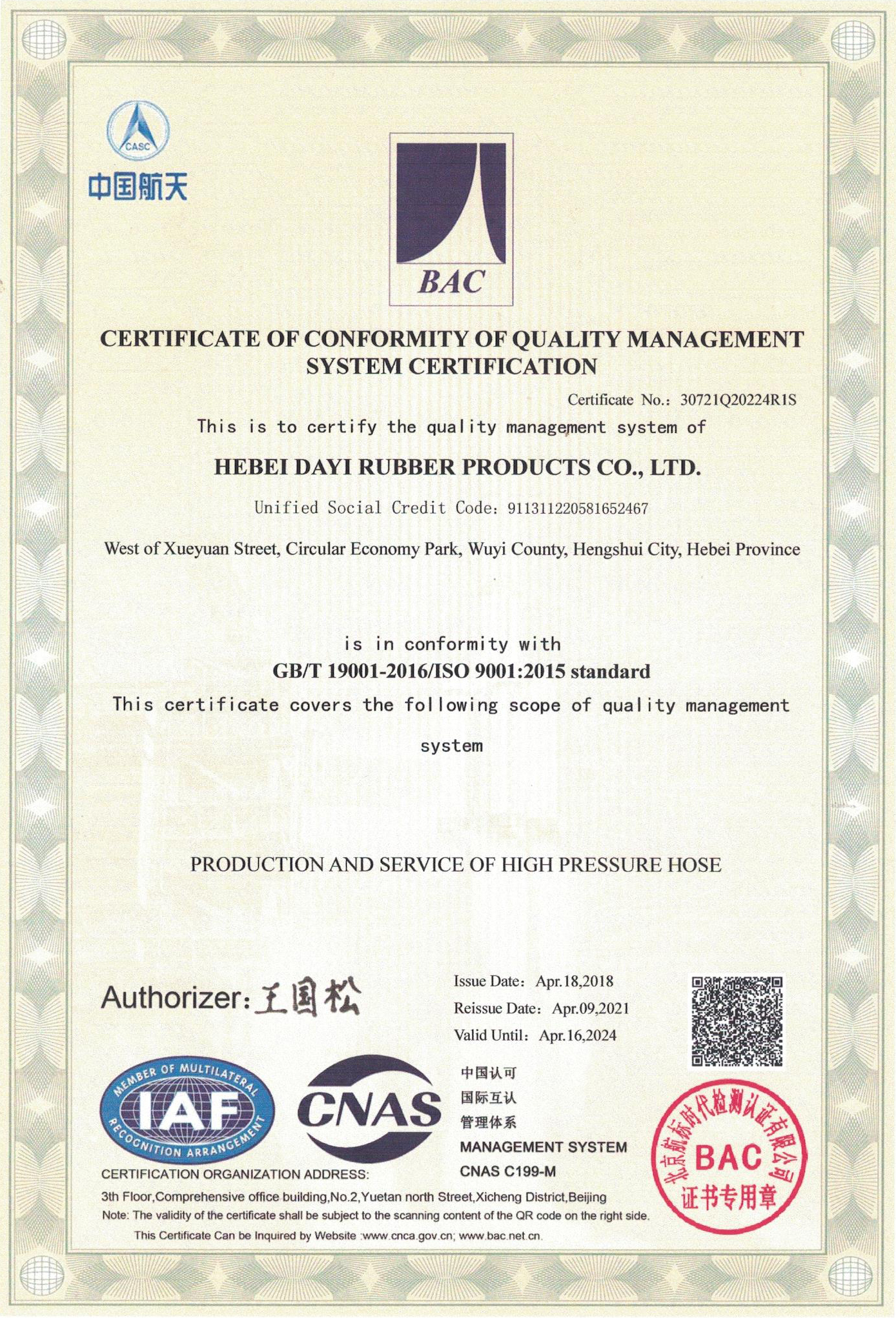
A: ISO 9001 (Quality Management System) is a fundamental requirement. Look for manufacturers with SAE International certifications (demonstrating compliance with SAE 100R7 standards). Additional certifications, such as IATF 16949 (Automotive Quality Management System) may indicate a higher level of quality control.
Q: What are the common payment terms when purchasing from Chinese factories?
A: Typically, 30% deposit upon order confirmation, with the remaining 70% paid before shipment. Letter of Credit (L/C) is often used for larger orders, providing increased security for both parties. Thoroughly review the contract and payment terms before signing.
Q: What are the potential risks associated with sourcing from China and how can I mitigate them?
A: Risks include quality inconsistencies, communication barriers, intellectual property concerns, and potential supply chain disruptions. Mitigation strategies include conducting thorough due diligence, establishing clear quality control procedures, securing robust contracts, utilizing third-party inspection services, and diversifying your supplier base.
Conclusion
SAE 100R7 thermoplastic hoses manufactured in China offer a compelling value proposition, providing cost-effective solutions for hydraulic power transmission. However, realizing this value requires a rigorous approach to supplier selection, quality control, and ongoing monitoring. Understanding the material science, manufacturing processes, and performance characteristics of these hoses is paramount for ensuring long-term reliability and safety.
The increasing sophistication of Chinese manufacturing capabilities, coupled with advancements in quality management systems, positions the region as a key strategic partner for businesses relying on high-performance hydraulic hoses. By proactively addressing potential risks and embracing best practices in procurement and quality assurance, organizations can leverage the benefits of Chinese manufacturing while maintaining uncompromising standards for product integrity.