
Apr . 01, 2024 17:55 Back to list
china thermoplastic hose factories Performance Analysis
Introduction
Thermoplastic hoses manufactured in China represent a significant segment of the global fluid transfer industry. These hoses, distinguished by their flexibility, resilience, and cost-effectiveness, serve a diverse range of applications including automotive, industrial, agricultural, and domestic uses. Unlike rubber hoses requiring vulcanization, thermoplastic hose production relies on the extrusion and shaping of polymer materials, offering advantages in recyclability and consistent dimensional control. The Chinese manufacturing base has rapidly evolved, moving from primarily supplying commodity-grade products to increasingly offering specialized, high-performance thermoplastic hoses meeting stringent international standards. The core performance characteristics – burst pressure, temperature resistance, chemical compatibility, and flexibility – are heavily dependent on the specific thermoplastic material employed and the manufacturing process parameters. A key pain point within the industry remains consistent quality control and ensuring compliance with evolving environmental regulations regarding phthalate content and material sourcing.
Material Science & Manufacturing
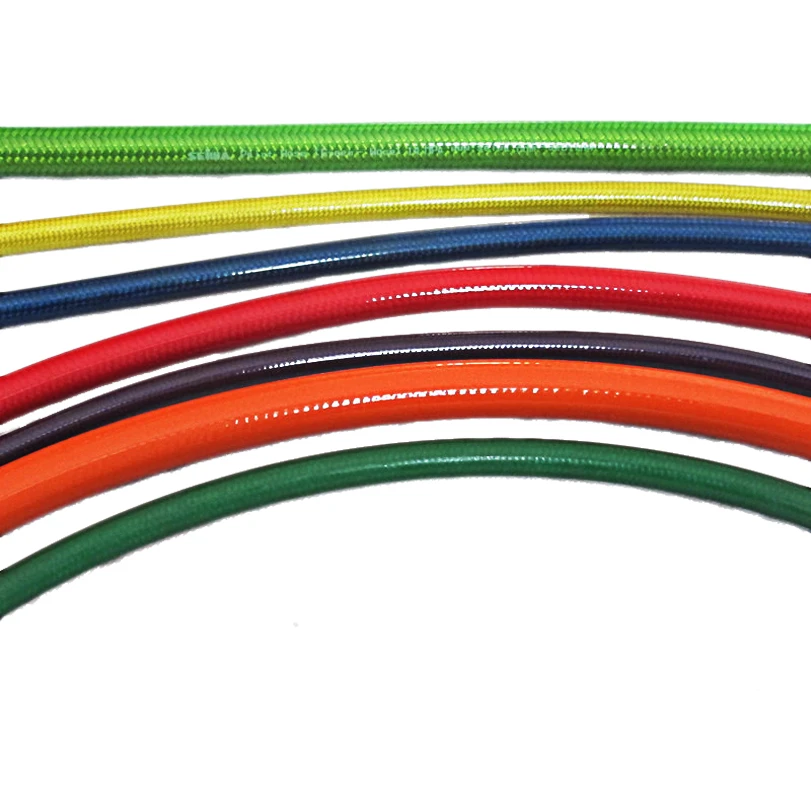
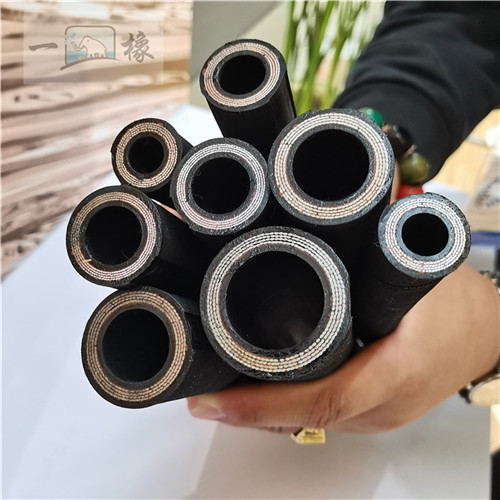
The foundation of thermoplastic hose performance lies in the selection of appropriate polymer materials. Common thermoplastics utilized include Polyvinyl Chloride (PVC), Polyethylene (PE), Polypropylene (PP), Thermoplastic Polyurethane (TPU), Polyamide (Nylon), and Polyethylene Terephthalate (PET). PVC offers excellent chemical resistance and low cost but is limited in temperature application and increasingly scrutinized for plasticizer content. PE and PP are commonly used for low-pressure applications due to their flexibility and affordability. TPU provides superior abrasion resistance and flexibility, finding use in automotive and pneumatic applications. Polyamide (Nylon) excels in high-temperature and high-pressure environments due to its high tensile strength and toughness. PET, often reinforced with polyester yarn, delivers high burst strength and is ideal for applications requiring robust fluid containment. Manufacturing typically involves extrusion, where molten thermoplastic is forced through a die to create the hose profile. Key process parameters include melt temperature, extrusion pressure, die design, and cooling rate. Reinforcement layers, such as textile braiding or spiral-wound wire, are often incorporated during extrusion to enhance burst pressure and dimensional stability. Post-extrusion processes may include surface treatments for UV protection, electrostatic dissipation, or improved chemical resistance. Consistent material blending and rigorous process control are vital to achieve homogenous material distribution and prevent defects like voids or weak spots.
Performance & Engineering
Performance analysis of thermoplastic hoses necessitates a thorough understanding of mechanical stress and fluid dynamics. Burst pressure, determined by the reinforcement layer and thermoplastic material strength, is a critical safety parameter. Testing protocols, such as hydraulic burst testing according to ISO 3968, are used to verify performance. Temperature resistance is dictated by the thermoplastic’s glass transition temperature (Tg) and degradation temperature. Prolonged exposure to temperatures exceeding these limits can lead to softening, deformation, and eventual failure. Chemical compatibility is equally vital; the hose material must resist degradation or swelling when exposed to the conveyed fluid. This requires detailed assessment of the fluid’s chemical composition and the thermoplastic’s resistance profile. Flexibility, measured by bend radius, impacts ease of installation and operational lifespan. Repeated bending induces stress on the material, potentially leading to fatigue cracking. Finite Element Analysis (FEA) is increasingly employed to simulate stress distribution under various loading conditions, optimizing hose design for specific applications. Compliance requirements vary depending on the industry and region. Automotive hoses must meet FMVSS 571 standards, while food-grade hoses require FDA or European Food Safety Authority (EFSA) compliance. Environmental resistance, particularly UV exposure and ozone degradation, is addressed through the incorporation of UV stabilizers and protective coatings.
Technical Specifications
| Parameter | PVC Hose (Standard Grade) | TPU Hose (Automotive) | Polyamide (Nylon) Hose | PET Hose (Reinforced) |
|---|---|---|---|---|
| Working Pressure (PSI) | 150 | 300 | 500 | 800 |
| Burst Pressure (PSI) | 450 | 900 | 1500 | 2400 |
| Temperature Range (°C) | -20 to 60 | -40 to 120 | -40 to 150 | -30 to 100 |
| Tensile Strength (MPa) | 15 | 40 | 80 | 120 |
| Elongation at Break (%) | 200 | 300 | 150 | 100 |
| Chemical Resistance | Good (acids, bases) | Excellent (oils, fuels) | Excellent (hydrocarbons) | Good (solvents, alcohols) |
Failure Mode & Maintenance
Thermoplastic hoses are susceptible to several failure modes, the prevalence of which depends on the application and operating conditions. Fatigue cracking, induced by repeated bending and pressure cycling, is a common failure mechanism, particularly in dynamic applications. The crack initiation and propagation rates are influenced by material properties, stress concentration points (e.g., fittings), and environmental factors. Chemical degradation, caused by exposure to incompatible fluids, leads to swelling, softening, and loss of mechanical properties. UV exposure and ozone attack can cause surface cracking and embrittlement, particularly in outdoor applications. Abrasion, resulting from contact with abrasive surfaces, reduces hose wall thickness and compromises structural integrity. Delamination, where reinforcement layers separate from the thermoplastic matrix, can occur due to poor bonding or thermal cycling. Maintenance practices include regular visual inspection for cracks, bulges, or discoloration. Pressure testing should be conducted periodically to verify structural integrity. Avoid sharp bends and excessive tension during installation. Proper storage, away from direct sunlight and extreme temperatures, is crucial. When a hose exhibits signs of damage, it should be replaced immediately to prevent catastrophic failure. Correct fitting installation is paramount; improper crimping or tightening can create stress concentration points and accelerate failure.
Industry FAQ
Q: What is the primary advantage of TPU hoses over traditional PVC hoses in automotive applications?
A: TPU hoses offer significantly superior resistance to oils, fuels, and abrasion compared to PVC. They also maintain flexibility over a wider temperature range, crucial for under-hood automotive environments. While PVC is cost-effective, the long-term reliability and performance benefits of TPU outweigh the initial cost difference in critical automotive applications.
Q: How does the reinforcement material impact the burst pressure of a thermoplastic hose?
A: The reinforcement material (typically textile braiding or spiral-wound wire) bears the majority of the hoop stress within the hose wall when subjected to internal pressure. Higher tensile strength reinforcement materials and denser braiding patterns directly translate to higher burst pressures. The bonding between the reinforcement and thermoplastic matrix is also critical; poor adhesion can lead to delamination and premature failure.
Q: What testing standards are used to verify the chemical resistance of a thermoplastic hose?
A: Chemical resistance is typically assessed through immersion testing, where hose samples are exposed to specific fluids for a defined period and temperature. Changes in weight, hardness, tensile strength, and elongation are measured to quantify the degree of degradation. Standards such as ASTM D471 and ISO 1817 are commonly employed to establish test procedures and acceptance criteria.
Q: What are the implications of RoHS and REACH regulations on the sourcing of materials for thermoplastic hose manufacturing?
A: RoHS (Restriction of Hazardous Substances) restricts the use of certain hazardous materials like lead, cadmium, and hexavalent chromium in electrical and electronic equipment, which can extend to hose fittings and components. REACH (Registration, Evaluation, Authorisation and Restriction of Chemicals) requires manufacturers to register chemicals used in their products, ensuring safe handling and environmental protection. Compliance with these regulations necessitates careful material selection and supply chain management.
Q: How does the choice of thermoplastic material affect the recyclability of the hose at the end of its life?
A: PVC presents significant recycling challenges due to the presence of plasticizers and the potential for dioxin formation during incineration. PE, PP, and PET are more readily recyclable, though the presence of reinforcement layers can complicate the process. Thermoplastic Polyurethanes (TPU) are increasingly being designed for recyclability, but infrastructure for TPU recycling is still developing. Material identification and sorting are crucial for effective recycling programs.
Conclusion
Thermoplastic hose technology represents a critical component in modern fluid transfer systems. The selection of the appropriate material and manufacturing process is paramount to ensure performance, reliability, and longevity. Understanding the interplay between material properties, engineering design, and operational conditions is essential for preventing failures and maximizing the service life of these components. The ongoing evolution of thermoplastic materials and manufacturing techniques continues to drive advancements in hose performance and sustainability.
Looking ahead, a continued focus on developing high-performance, recyclable thermoplastic formulations will be crucial to address growing environmental concerns. Further refinement of FEA modeling and non-destructive testing methods will enable more precise optimization of hose designs for specific applications. The increasing adoption of Industry 4.0 principles, including real-time process monitoring and data analytics, will facilitate improved quality control and predictive maintenance within china thermoplastic hose factories.