
Apr . 01, 2024 17:55 Back to list
china suction hose suppliers Performance Analysis

Introduction
Suction hoses, crucial components in fluid transfer systems, are utilized extensively across industries including agriculture, construction, mining, chemical processing, and marine applications. China has emerged as a dominant global supplier of these hoses, offering a broad spectrum of materials, constructions, and price points. This technical guide provides an in-depth examination of suction hoses sourced from China, focusing on material science, manufacturing processes, performance characteristics, potential failure modes, and relevant industry standards. The core performance of a suction hose centers on its ability to withstand negative pressure without collapsing, resist abrasion and chemical attack, and maintain flexibility across a range of operating temperatures. A key pain point within the industry is ensuring consistent quality control across diverse Chinese manufacturers, particularly concerning reinforcement layer integrity and material traceability. This guide aims to equip procurement managers and engineers with the knowledge to confidently assess and select suitable suction hoses from Chinese suppliers.
Material Science & Manufacturing
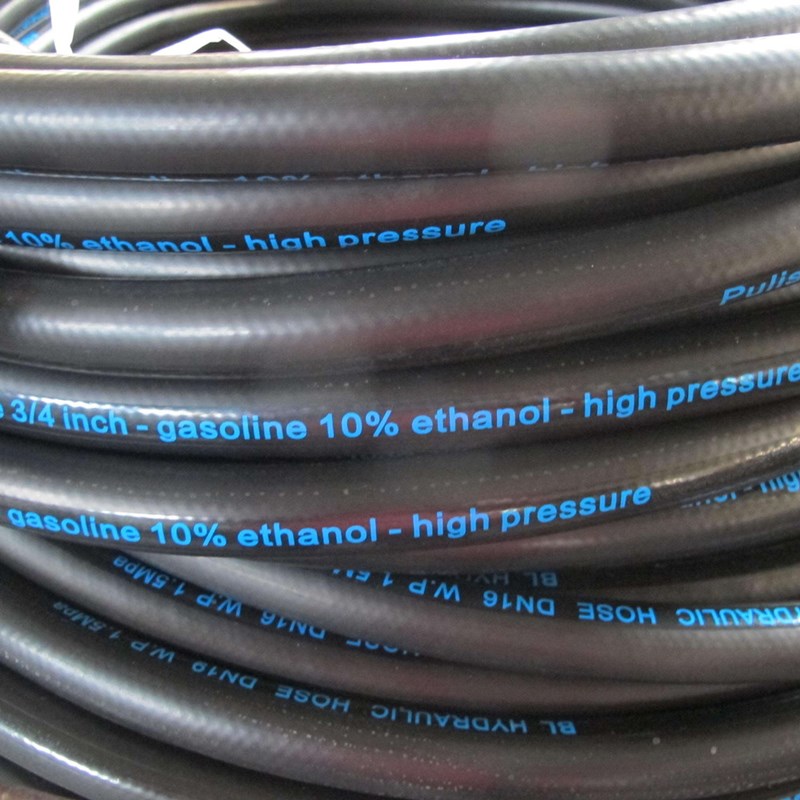
Suction hoses are typically constructed from a combination of polymeric materials and reinforcement layers. Common polymeric materials include Natural Rubber (NR), Styrene-Butadiene Rubber (SBR), Polyvinyl Chloride (PVC), Thermoplastic Polyurethane (TPU), and Ethylene Propylene Diene Monomer (EPDM) rubber. NR offers excellent flexibility and abrasion resistance but limited oil resistance. SBR provides a cost-effective alternative with good abrasion resistance but lower tensile strength than NR. PVC is rigid and chemically resistant, often used in lower-pressure applications. TPU provides high abrasion and chemical resistance with excellent flexibility. EPDM offers superior resistance to weathering, ozone, and heat. Reinforcement layers are critical for preventing collapse under vacuum. These layers commonly utilize textiles (polyester, nylon) plied in a helical or braided configuration, or steel wire helixes for high-pressure applications. Manufacturing processes vary depending on hose type. Rubber hoses are typically produced via extrusion, followed by reinforcement layer application and vulcanization. PVC hoses are commonly manufactured via extrusion or spiral winding. Parameter control during vulcanization is paramount; temperature, pressure, and curing time directly impact the crosslink density and, consequently, the hose's tensile strength, elongation, and resistance to compression set. The quality of the reinforcement material and its adhesion to the rubber matrix are also critical. Poor adhesion can lead to delamination and premature failure. Chinese manufacturers often employ continuous extrusion processes for efficiency, however, maintaining consistent wall thickness and reinforcement coverage requires rigorous process monitoring.
Performance & Engineering
The performance of a suction hose is dictated by its ability to withstand negative pressure, resist external abrasion, and maintain its physical properties over its service life. Negative pressure resistance is determined by the hose's collapse pressure, typically measured in psi or kPa. This parameter is directly related to the hose’s diameter, wall thickness, and reinforcement structure. Engineering calculations involving hoop stress and radial deformation are essential for determining the appropriate reinforcement configuration for a given application. Abrasion resistance is assessed using standardized tests such as the Taber abrasion test, which measures the material loss due to abrasive wear. Chemical resistance is evaluated by exposing hose samples to various chemicals and monitoring changes in physical properties (tensile strength, elongation, hardness). Environmental resistance, specifically UV and ozone exposure, is crucial for outdoor applications. Degradation due to UV exposure can lead to cracking and embrittlement. Compliance requirements vary depending on the intended application. For example, hoses used in food-grade applications must comply with FDA regulations regarding material leachability. Hoses used in the oil and gas industry must meet API standards related to pressure, temperature, and fluid compatibility. A key engineering consideration is the hose's bending radius. Excessive bending can cause kinking and reduce flow rate. The minimum bending radius is typically specified by the manufacturer.
Technical Specifications
| Parameter | Typical PVC Suction Hose | Typical Rubber (SBR/NR Blend) Suction Hose | Typical TPU Suction Hose |
|---|---|---|---|
| Working Pressure (psi) | Up to 150 | Up to 100 | Up to 200 |
| Collapse Pressure (psi) | -30 | -25 | -35 |
| Temperature Range (°F) | -20 to 150 | -40 to 180 | -40 to 212 |
| Reinforcement | PVC Spiral | Textile Braid (Polyester/Nylon) | Textile Braid (High-Tenacity Polyester) |
| Chemical Resistance | Good to many acids and bases | Limited resistance to oils | Excellent to oils, fuels, and many chemicals |
| Abrasion Resistance (Taber Abrasion Index) | 50-80 mg loss | 30-60 mg loss | 20-40 mg loss |
Failure Mode & Maintenance
Common failure modes in suction hoses include collapse due to insufficient reinforcement, cracking and splitting due to fatigue or UV exposure, delamination of reinforcement layers, and chemical degradation. Fatigue cracking often initiates at areas of high stress concentration, such as hose connections or bends. Delamination occurs when the adhesive bond between the rubber matrix and the reinforcement layer fails, leading to a progressive weakening of the hose. Chemical degradation occurs when the hose material reacts with the fluid being transported, resulting in swelling, softening, or embrittlement. Oxidation can also cause rubber hoses to harden and lose their flexibility. To mitigate these failures, regular inspection is crucial. Inspect hoses for cracks, bulges, abrasions, and signs of delamination. Check hose connections for leaks. Avoid exceeding the hose's working pressure or temperature limits. Store hoses in a cool, dry place away from direct sunlight and chemicals. For rubber hoses, applying a rubber protectant can help prevent cracking and oxidation. If delamination is detected, the hose should be replaced immediately. Proper handling during installation and operation is also essential; avoid sharp bends and excessive twisting.
Industry FAQ
Q: What are the key differences between a reinforced PVC suction hose and a rubber suction hose in terms of durability and application suitability?
A: Reinforced PVC suction hoses generally offer good chemical resistance and are suitable for applications involving corrosive fluids at lower pressures. However, they are less flexible and have lower abrasion resistance compared to rubber hoses. Rubber hoses, particularly those with SBR or NR blends, provide superior flexibility and abrasion resistance, making them ideal for applications requiring frequent bending and handling. They are, however, more susceptible to degradation from oil exposure.
Q: How can I verify the quality of the reinforcement layer in a suction hose from a Chinese supplier?
A: Request a sample hose for destructive testing. Cut the hose lengthwise to inspect the reinforcement layer for consistent coverage and proper adhesion to the rubber matrix. Perform a tensile test on the reinforcement layer to verify its strength. Request material certificates for the reinforcement material to confirm its composition and properties. A reputable supplier should be willing to provide this documentation.
Q: What impact does the hose diameter have on its collapse pressure rating?
A: As the hose diameter increases, the collapse pressure rating typically decreases. Larger diameter hoses are more susceptible to collapse under vacuum due to the greater radial force exerted by the negative pressure. Therefore, larger diameter hoses require more robust reinforcement to maintain their structural integrity.
Q: What are the specific considerations for selecting a suction hose for handling abrasive slurries?
A: For abrasive slurries, choose a hose with a highly abrasion-resistant liner material, such as TPU or a specialized rubber compound. Consider a hose with a thicker wall to increase its service life. Avoid hoses with internal ridges or crevices that can trap abrasive particles. Regular inspection and replacement are crucial for hoses handling abrasive slurries.
Q: What certifications should I look for from a Chinese suction hose supplier to ensure product quality and safety?
A: Look for certifications such as ISO 9001 (Quality Management System), RoHS (Restriction of Hazardous Substances), and REACH (Registration, Evaluation, Authorisation and Restriction of Chemicals). For specific applications, such as food-grade or potable water, ensure the hose complies with relevant FDA or NSF standards. Request documentation to verify the validity of these certifications.
Conclusion
Selecting the appropriate suction hose from Chinese suppliers demands a thorough understanding of material properties, manufacturing processes, and performance requirements. The key lies in specifying the correct materials, reinforcement structures, and dimensions to withstand the application’s specific operating conditions. Careful consideration must be given to factors such as pressure, temperature, chemical compatibility, and abrasion resistance to prevent premature failure and ensure long-term reliability.
Prioritizing quality control and supplier verification is paramount when sourcing from China. Requesting detailed material certifications, performing destructive testing, and scrutinizing the supplier's quality management system will help mitigate risks and ensure the procurement of high-performance, durable suction hoses that meet stringent industry standards.

