
Apr . 01, 2024 17:55 Back to list
china suction hose manufacturers Performance Analysis

Introduction
Suction hoses manufactured in China represent a significant portion of the global industrial fluid transfer market. These hoses are critical components in a wide range of applications, including agricultural irrigation, chemical transfer, mining operations, and dredging. Their design and manufacture directly impact process efficiency, safety, and operational costs. This guide provides an in-depth technical analysis of these hoses, covering material science, manufacturing processes, performance characteristics, potential failure modes, and relevant industry standards. A core pain point in the industry is maintaining consistent quality and adherence to international safety regulations given the large number of manufacturers. Variations in rubber compounds, reinforcement materials, and manufacturing controls lead to significant performance differences, creating challenges for procurement managers. Furthermore, understanding the chemical compatibility of hose materials with the conveyed fluids is paramount to prevent premature failure and environmental hazards.
Material Science & Manufacturing
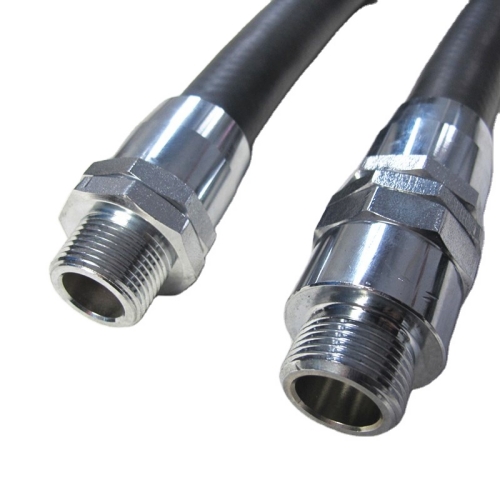
China suction hoses are typically constructed from a combination of rubber compounds, textile or steel wire reinforcement, and often, a protective outer cover. The most common rubber materials include Natural Rubber (NR), Styrene-Butadiene Rubber (SBR), Nitrile Rubber (NBR), Ethylene Propylene Diene Monomer (EPDM), and Chloroprene Rubber (CR – Neoprene). NR offers excellent abrasion resistance and flexibility, but has limited oil resistance. SBR provides a cost-effective alternative with good abrasion resistance, but poorer oil and weather resistance. NBR exhibits superior oil and fuel resistance, making it suitable for hydrocarbon applications. EPDM offers excellent resistance to weathering, ozone, and chemicals, frequently employed in agricultural and food-grade applications. CR provides a balance of oil, weather, and ozone resistance. The selection of the rubber compound is dictated by the intended application and the fluid being conveyed.
Reinforcement layers are crucial for withstanding internal pressure and preventing hose collapse under vacuum conditions. Textile reinforcement, typically composed of multiple plies of woven polyester or nylon fabric, is used for lower-pressure applications. Steel wire helix reinforcement is commonly employed for higher-pressure and vacuum applications, providing significantly enhanced structural integrity. The manufacturing process typically involves extrusion of the rubber compound, followed by the insertion of the reinforcement layer. This can be achieved through spiral winding or calendaring and wrapping. Subsequent vulcanization, a chemical process involving heating the rubber with sulfur or other curing agents, crosslinks the polymer chains, imparting elasticity, strength, and durability. Precise control of temperature, pressure, and curing time is critical to achieving optimal physical properties. Quality control measures, including dimensional inspection, pressure testing, and rubber hardness testing (Shore A), are essential throughout the manufacturing process. Improper vulcanization can lead to under-cured rubber (resulting in low tensile strength and tackiness) or over-cured rubber (leading to brittleness and reduced flexibility).
Performance & Engineering
The performance of a suction hose is defined by several key engineering parameters. Burst pressure, determined through hydrostatic testing, indicates the hose's ability to withstand maximum internal pressure without failure. Vacuum rating specifies the hose's resistance to collapse under negative pressure. Tensile strength, measured in MPa or PSI, reflects the hose's resistance to elongation and breakage. Elongation at break indicates the extent to which the hose can stretch before failing. Abrasion resistance, assessed through standardized tests like the Taber abrasion test, determines the hose’s resistance to wear and tear. Flexural fatigue resistance, evaluated through repeated bending tests, is critical for applications involving frequent movement or vibration.
Environmental resistance is also a critical performance factor. Exposure to ultraviolet (UV) radiation, ozone, extreme temperatures, and corrosive chemicals can degrade the rubber compound, reducing its mechanical properties and shortening its lifespan. Chemical compatibility must be carefully considered; incompatible fluids can cause swelling, softening, or cracking of the rubber. Force analysis during operation must account for internal pressure, external loads, bending stresses, and the weight of the conveyed fluid. Finite element analysis (FEA) can be used to simulate these stresses and optimize hose design. Compliance requirements vary depending on the application and region. For food-grade applications, hoses must comply with FDA regulations (US) or equivalent standards in other countries. For hazardous materials transfer, hoses must meet safety standards established by organizations like API (American Petroleum Institute) or EN (European Norms).
Technical Specifications
| Parameter | NBR Lined Hose (Typical) | EPDM Lined Hose (Typical) | PVC Lined Hose (Typical) | Reinforcement |
|---|---|---|---|---|
| Working Pressure (PSI) | 150 | 100 | 120 | Steel Wire Helix |
| Vacuum Rating (inches Hg) | 29.9 | 29.9 | 27 | High-Tensile Textile Cord |
| Temperature Range (°F) | -40 to 212 | -58 to 284 | -20 to 150 | Steel Wire Braid |
| Chemical Resistance | Oil, Fuel, Solvents | Water, Chemicals, Ozone | Acids, Alkalies, Mild Chemicals | N/A |
| Tensile Strength (PSI) | 400 | 350 | 300 | N/A |
| Abrasion Resistance (Taber Index) | 80 | 60 | 50 | N/A |
Failure Mode & Maintenance
Common failure modes in China suction hoses include cracking due to fatigue, delamination of reinforcement layers, swelling or degradation of the rubber compound due to chemical incompatibility, and abrasion leading to wall thinning. Fatigue cracking often occurs at points of high stress concentration, such as hose fittings or bends. Delamination can result from inadequate adhesion between the rubber and the reinforcement material. Chemical attack can cause the rubber to swell, soften, or become brittle, reducing its strength and flexibility. Abrasion, particularly in abrasive slurry applications, progressively wears away the rubber lining. Oxidative degradation, induced by exposure to ozone and UV radiation, causes the rubber to become brittle and crack.
Preventative maintenance is crucial for extending hose lifespan and preventing catastrophic failures. Regular visual inspections should be conducted to identify signs of cracking, swelling, abrasion, or delamination. Hoses should be replaced if any of these defects are observed. Hoses should be stored in a cool, dry, and dark environment, away from direct sunlight and ozone sources. Avoid kinking or sharply bending the hose, as this can create stress concentrations and accelerate fatigue failure. When handling abrasive materials, consider using hoses with abrasion-resistant linings. Flush the hose after each use to remove residual chemicals or debris. Properly secure hose connections to prevent leaks and strain. Consider utilizing protective sleeves or guards in high-wear areas.
Industry FAQ
Q: What is the primary difference between NBR and EPDM suction hoses and how does that impact material selection?
A: NBR (Nitrile Butadiene Rubber) provides excellent resistance to oils, fuels, and solvents, making it ideal for hydrocarbon transfer. However, it has limited resistance to weathering and ozone. EPDM (Ethylene Propylene Diene Monomer) excels in weathering, ozone, and chemical resistance, especially water-based solutions, but offers lower oil resistance. The choice depends on the fluid conveyed; hydrocarbons necessitate NBR, while water, mild chemicals, and outdoor applications favor EPDM.
Q: How does the steel wire helix reinforcement affect the performance of a suction hose compared to textile reinforcement?
A: Steel wire helix reinforcement significantly enhances a hose's ability to withstand vacuum pressure and maintain its rigidity under suction. Textile reinforcement, while lighter and more flexible, is limited in its vacuum handling capabilities and is best suited for lower-pressure applications. The steel helix prevents hose collapse under negative pressure, crucial in applications like dredging or chemical unloading.
Q: What are the critical factors to consider regarding chemical compatibility when selecting a suction hose?
A: Chemical compatibility involves assessing the hose material's resistance to swelling, softening, degradation, or cracking when exposed to the conveyed fluid. Consult chemical resistance charts provided by hose manufacturers. Consider not only the primary fluid but also potential contaminants or mixtures. Incorrect material selection can lead to rapid hose failure and environmental hazards.
Q: What is the significance of burst pressure testing, and how does it relate to safe operating procedures?
A: Burst pressure testing determines the maximum pressure a hose can withstand before failing. It provides a safety margin for operation; however, hoses should never be operated at pressures approaching the burst pressure. A standard safety factor (typically 4:1) is applied to establish the maximum working pressure. Operating beyond the recommended pressure increases the risk of catastrophic failure.
Q: What are the typical lifespan expectations for a China-manufactured suction hose under standard operating conditions?
A: Lifespan varies considerably depending on operating conditions, fluid compatibility, and maintenance practices. A well-maintained NBR hose used for oil transfer might last 2-3 years. An EPDM hose used for water transfer could potentially last 5-7 years. However, exposure to harsh chemicals, abrasive materials, or extreme temperatures will significantly reduce lifespan. Regular inspection and preventative maintenance are key to maximizing service life.
Conclusion
China suction hoses are essential components in numerous industrial applications, demanding careful consideration of material selection, manufacturing quality, and performance characteristics. Understanding the interplay between rubber compounds, reinforcement materials, and operating conditions is critical for ensuring safe and reliable fluid transfer. The growing emphasis on environmental regulations and safety standards underscores the need for manufacturers to prioritize quality control and adherence to international norms.
Looking forward, advancements in rubber technology and manufacturing processes will likely lead to the development of more durable, chemically resistant, and environmentally friendly suction hoses. Increased adoption of predictive maintenance technologies, such as hose condition monitoring systems, will further enhance operational efficiency and reduce downtime. Procurement managers should prioritize suppliers who demonstrate a commitment to quality, transparency, and compliance with relevant industry standards to mitigate risk and optimize long-term value.