
Apr . 01, 2024 17:55 Back to list
china suction hose manufacturer Performance Analysis
Introduction
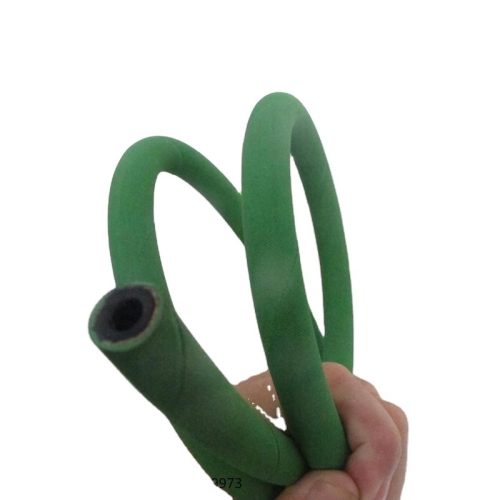
Suction hoses are critical components in fluid transfer systems across diverse industrial applications, including agriculture, construction, mining, and chemical processing. Manufactured extensively in China, these hoses are designed to efficiently convey liquids, slurries, and semi-solids under vacuum conditions. The core function relies on maintaining a collapsed state under negative pressure without kinking or collapsing, ensuring uninterrupted flow. Chinese manufacturers have emerged as global leaders in suction hose production, offering a broad range of materials, constructions, and performance characteristics to meet varied industry needs. This guide details the material science, manufacturing processes, performance parameters, failure modes, and industry standards associated with China-manufactured suction hoses, providing a comprehensive technical resource for engineers, procurement professionals, and end-users. The primary performance consideration for suction hoses centers on preventing internal collapse and withstanding both external pressure and the abrasive or corrosive nature of the conveyed media. Variations in reinforcement layers and rubber compounds dictate operational lifespan and applicability.
Material Science & Manufacturing
The construction of a typical suction hose involves several key material components. The inner tube is typically comprised of synthetic rubbers offering resistance to the conveyed fluid. Common materials include Natural Rubber (NR) for general-purpose applications, Styrene-Butadiene Rubber (SBR) for cost-effectiveness, Nitrile Rubber (NBR) for oil resistance, Ethylene Propylene Diene Monomer (EPDM) for compatibility with chemicals and high temperatures, and Polyvinyl Chloride (PVC) for lightweight and economical applications. The reinforcement layer is crucial for preventing collapse under vacuum. This layer can consist of a spiral helix of high-tensile steel wire, multiple textile plies (woven polyester, nylon, or rayon), or a combination of both. The outer cover provides protection against abrasion, weathering, and environmental degradation. Materials often used for the outer cover include SBR, NBR, PVC, and Chloroprene Rubber (CR).
Manufacturing processes vary depending on hose complexity and volume. A common method involves extrusion. The rubber compound for the inner tube and outer cover is heated and forced through a die to create a continuous profile. Simultaneously, the reinforcement helix or plies are applied. The hose is then vulcanized – a chemical process involving heat and pressure – to crosslink the rubber molecules, enhancing strength, elasticity, and resistance to degradation. For textile-reinforced hoses, a braiding or spiraling process is used to apply the fabric layers. Quality control at this stage includes dimensional checks, pressure testing (hydrostatic and vacuum), and visual inspection for defects. Parameter control is critical: rubber compound formulations must be precise, extrusion temperatures need to be maintained within tight tolerances, and vulcanization times and temperatures must be carefully monitored to achieve optimal material properties. For specialized hoses, lining techniques using PTFE or other fluoropolymers might be employed to enhance chemical resistance, necessitating additional processing steps and quality assurance protocols.
Performance & Engineering
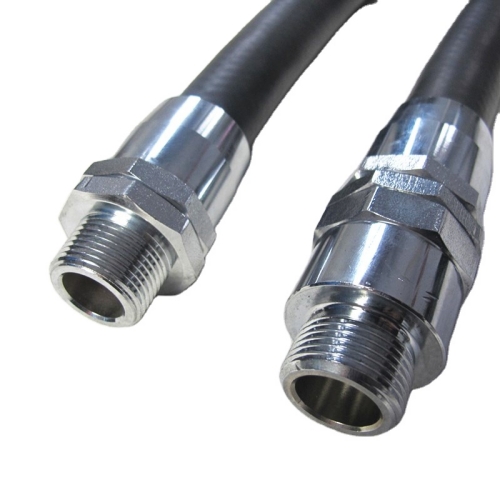
The performance of a suction hose is governed by several key engineering principles. Vacuum resistance is paramount; the hose must withstand the negative pressure created by the pumping system without collapsing. This is directly related to the reinforcement layer's tensile strength and the hose's diameter-to-wall-thickness ratio. Tensile strength, measured in MPa or PSI, indicates the maximum stress the reinforcement can withstand before breaking. Burst pressure, another critical parameter, specifies the maximum positive pressure the hose can safely endure. Flexibility, or bend radius, determines the hose's ability to navigate tight curves without kinking or restricting flow. This is influenced by the rubber compound's elasticity and the reinforcement's construction. Abrasion resistance is essential when handling abrasive materials like sand, gravel, or slurries. The outer cover material and thickness play a vital role here.
Environmental resistance encompasses factors like temperature extremes, UV exposure, and chemical compatibility. The rubber compound must be selected to withstand the operating temperature range and resist degradation from exposure to sunlight, ozone, and chemical attack. Compliance requirements vary by industry and region. For food-grade applications, hoses must comply with FDA regulations. For handling hazardous materials, hoses must meet relevant safety standards and be resistant to permeation. Force analysis considers the hoop stress generated by the vacuum pressure, the axial stress from tension, and the bending stress induced by flexing. These stresses must be within the material's allowable limits to prevent failure. Finite Element Analysis (FEA) is often used to model and optimize hose designs for specific applications. Proper grounding is also critical to avoid static electricity buildup when handling flammable liquids.
Technical Specifications
| Parameter | Unit | Typical Range (China Manufactured) | Test Standard |
|---|---|---|---|
| Working Pressure (Vacuum) | kPa | -85 to -100 | ISO 3821 |
| Burst Pressure | MPa | 1.5 to 3.0 | ISO 3968 |
| Tensile Strength (Reinforcement) | N/mm² | 800 to 2000 | ASTM D2256 |
| Bend Radius | mm | 5x to 10x Hose ID | Manufacturer Specification |
| Temperature Range | °C | -40 to +100 | ASTM D573 |
| Abrasion Resistance (Taber Abrasion) | mg loss | < 100 | ASTM D5963 |
Failure Mode & Maintenance
Suction hoses are susceptible to several failure modes. Collapse, the most common issue, occurs when the vacuum pressure exceeds the hose’s structural capacity, often due to damaged reinforcement or wear. Fatigue cracking results from repeated bending and flexing, leading to cracks in the rubber or reinforcement. Abrasion causes gradual material loss from the inner or outer layers due to the friction of conveyed materials. Chemical attack occurs when the hose material is incompatible with the conveyed fluid, leading to swelling, cracking, or degradation. Oxidation and weathering degrade the rubber compounds due to exposure to ozone, UV radiation, and environmental factors. Delamination involves the separation of layers within the hose structure, often due to poor bonding during manufacturing or prolonged exposure to harsh conditions. Permeation, especially with thin-walled hoses, can allow fluids or gases to pass through the hose wall.
Preventative maintenance is crucial for maximizing hose lifespan. Regular visual inspections should be conducted to identify cracks, abrasions, swelling, or other signs of damage. Pressure testing can verify the hose's structural integrity. Proper storage is essential; hoses should be stored in a cool, dry place away from direct sunlight and ozone sources. Avoid sharp bends and excessive flexing. When handling abrasive materials, consider using wear-resistant liners or sleeves. Regularly check connections for leaks and ensure they are properly tightened. If chemical compatibility is a concern, consult the manufacturer’s chemical resistance chart and select a hose made from a compatible material. Replace hoses showing signs of significant wear or damage immediately to prevent catastrophic failure and ensure safe operation.
Industry FAQ
Q: What is the primary difference between a steel wire reinforced suction hose and a textile reinforced suction hose?
A: Steel wire reinforcement provides significantly higher collapse resistance and burst pressure capabilities, making it suitable for heavy-duty applications involving high vacuum and abrasive materials. Textile reinforcement offers greater flexibility and lighter weight, ideal for applications where maneuverability is critical, and pressures are relatively low. The choice depends heavily on the specific application demands.
Q: How do I determine the correct hose diameter for my application?
A: Hose diameter should be based on the flow rate and the velocity of the fluid being conveyed. Undersizing can lead to excessive pressure drop and increased wear, while oversizing can reduce efficiency. Consult pump curves and flow rate calculations to determine the optimal diameter, considering the fluid viscosity and distance of the transfer.
Q: What rubber compound is best suited for handling concentrated hydrochloric acid?
A: Concentrated hydrochloric acid is highly corrosive. PTFE (Teflon) lined hoses offer the best resistance to HCl, providing a chemically inert barrier. Alternatively, a hose constructed with Viton (FKM) can be considered, but its resistance is limited compared to PTFE and requires careful evaluation of exposure time and concentration.
Q: What safety factors should be considered when selecting a suction hose?
A: A minimum safety factor of 4:1 should be applied to the working pressure when selecting a hose. Additionally, consider the potential for pressure surges or transient conditions, which can significantly exceed the normal operating pressure. Ensure the hose is compatible with all conveyed fluids and environmental conditions.
Q: How does temperature affect the performance of a suction hose?
A: High temperatures can reduce the rubber compound's elasticity and strength, increasing the risk of collapse or failure. Low temperatures can cause the rubber to become brittle and less flexible. Always select a hose with a temperature rating that exceeds the expected operating temperature range, and consider the potential for temperature fluctuations.
Conclusion
China-manufactured suction hoses represent a vital component in numerous industrial processes. The effectiveness of these hoses relies heavily on a comprehensive understanding of the materials used, manufacturing techniques, and performance characteristics. Selecting the appropriate hose requires careful consideration of the application’s specific demands, including fluid compatibility, operating pressure, temperature range, and abrasion resistance. Prioritizing quality, adherence to industry standards, and implementing regular maintenance procedures are paramount to ensuring reliable and safe operation.
The ongoing evolution of polymer science and manufacturing processes is continually improving the performance and durability of suction hoses. Future developments will likely focus on enhancing chemical resistance, reducing weight, and improving sustainability. A proactive approach to material selection, coupled with diligent inspection and maintenance, will ensure that suction hose systems continue to operate efficiently and reliably, minimizing downtime and maximizing productivity.