
Apr . 01, 2024 17:55 Back to list
china suction hose factory Performance Analysis

Introduction
Suction hoses are critical components in fluid transfer systems across diverse industrial applications, ranging from agriculture and mining to chemical processing and marine engineering. China suction hose factories have become prominent global suppliers due to their manufacturing capacity and competitive pricing. These hoses are specifically designed to withstand vacuum pressures, facilitating the transfer of liquids, slurries, and even solids. A primary performance characteristic is the hose’s ability to resist collapse under negative pressure, preventing flow interruption. The construction materials and manufacturing processes directly dictate the hose’s chemical resistance, abrasion resistance, and overall service life. The industry frequently confronts challenges relating to material degradation due to chemical exposure, premature failure from improper pressure handling, and the need for consistently high-quality construction to ensure safe and reliable operation. This guide provides an in-depth technical overview of china suction hoses, covering materials, manufacturing, performance, failure analysis, and relevant industry standards.
Material Science & Manufacturing
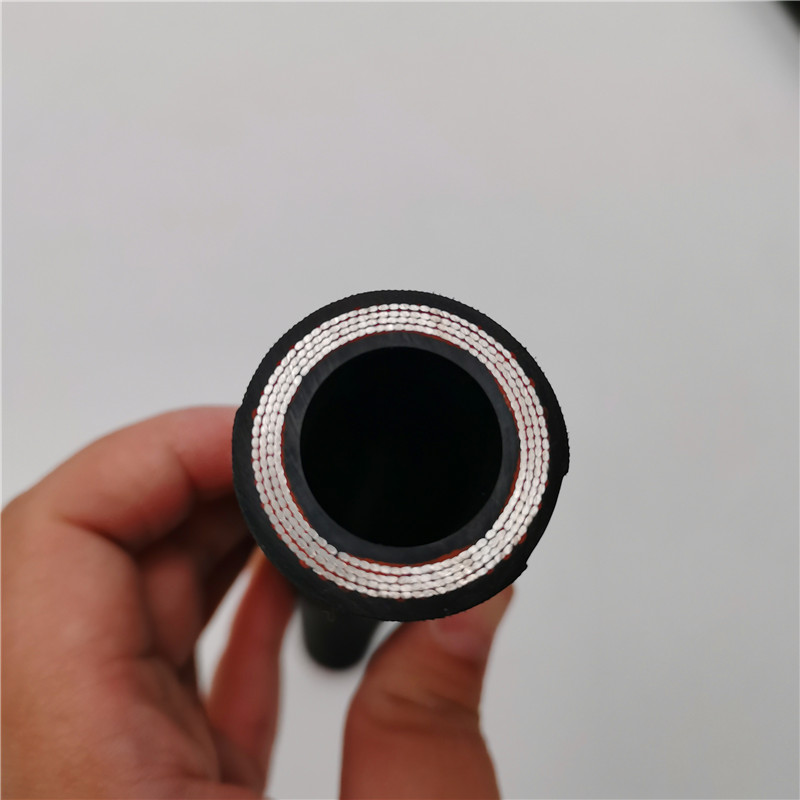
The core material in most china suction hoses is synthetic rubber, with variations in polymer composition determining the final properties. Common polymers include Natural Rubber (NR) offering excellent elasticity and abrasion resistance; Styrene-Butadiene Rubber (SBR) providing good abrasion resistance and cost-effectiveness; Nitrile Rubber (NBR) offering superior oil and chemical resistance; and Ethylene Propylene Diene Monomer (EPDM) known for its excellent weather and ozone resistance. Reinforcement layers are crucial for withstanding vacuum pressure and providing structural integrity. These layers typically consist of high-tensile textile cords (polyester, nylon) or steel wire helices, embedded within the rubber matrix. The manufacturing process typically involves several stages: compounding (mixing rubber with fillers, plasticizers, and curing agents), extrusion (forming the hose body), reinforcement layer application (winding or embedding reinforcement materials), curing (vulcanization to crosslink the rubber and achieve desired properties), and finishing (cutting, coupling attachment, and quality inspection). Critical process parameters include extrusion temperature, curing time and temperature, and reinforcement layer tension. Improper control of these parameters can lead to defects such as voids, uneven wall thickness, and inadequate reinforcement adhesion. The choice of rubber compound depends heavily on the intended application; for example, a hose intended for petroleum transfer will require NBR, while one for water suction may utilize EPDM or SBR.
Performance & Engineering
The performance of a suction hose is fundamentally governed by its ability to withstand negative pressure without collapsing. This is directly related to the hose’s wall thickness, reinforcement structure, and the material’s inherent compressive strength. Force analysis involves calculating the hoop stress generated by the vacuum pressure, and ensuring that the reinforcement layer can effectively resist this stress. Environmental resistance is also a critical consideration. Exposure to UV radiation, ozone, and extreme temperatures can cause rubber degradation, leading to reduced flexibility and eventual failure. Chemical compatibility is paramount; the hose material must be resistant to the fluids being transferred to prevent swelling, cracking, or dissolution. Compliance requirements vary depending on the industry and region. For example, hoses used in food and beverage applications must comply with FDA regulations regarding material safety and extractables. Hoses used in marine applications must meet standards related to saltwater resistance and flammability. The design of hose couplings also plays a vital role in overall performance. Couplings must be securely attached to the hose, providing a leak-proof seal and withstanding the stresses induced by pressure and movement. Finite Element Analysis (FEA) is frequently used to optimize hose designs, predicting stress distribution and identifying potential failure points.
Technical Specifications
| Parameter | Unit | Typical Value (NBR Lined, Steel Wire Helix Reinforced) | Testing Standard |
|---|---|---|---|
| Working Pressure (Vacuum) | MPa | -0.09 | ISO 3821 |
| Burst Pressure | MPa | 1.8 | ISO 3821 |
| Tensile Strength | MPa | 20 | ASTM D412 |
| Elongation at Break | % | 400 | ASTM D412 |
| Hardness (Shore A) | - | 60 ± 5 | ASTM D2240 |
| Operating Temperature Range | °C | -30 to +100 | SAE J20R3 |
Failure Mode & Maintenance
Common failure modes in suction hoses include fatigue cracking due to repeated flexing, delamination of the reinforcement layer, chemical degradation causing swelling or cracking, and abrasion from conveyed materials. Fatigue cracking typically initiates at areas of high stress concentration, such as near couplings or bends. Delamination can occur if the adhesive bond between the rubber and the reinforcement layer is compromised, often due to improper curing or exposure to aggressive chemicals. Chemical degradation is dependent on the hose material's compatibility with the conveyed fluid; prolonged exposure to incompatible substances will lead to material breakdown. Abrasion occurs when the hose is subjected to the abrasive action of solids carried within the fluid stream. Regular inspection is crucial for identifying potential problems. Visual inspection should focus on cracks, bulges, abrasions, and leaks. Pressure testing can be used to detect hidden defects. Maintenance procedures include cleaning the hose to remove debris, storing it properly (protected from UV radiation and extreme temperatures), and replacing it when signs of significant wear or damage are observed. Preventive maintenance programs, including scheduled inspections and replacements, can significantly extend hose service life and reduce the risk of unexpected failures. Coupling integrity should be checked routinely, and replaced if corrosion or damage is apparent.
Industry FAQ
Q: What is the impact of using a hose with insufficient vacuum rating for a given application?
A: Using a hose with an insufficient vacuum rating will likely result in hose collapse, causing a complete flow stoppage. This can lead to process downtime, potential damage to equipment, and safety hazards. The vacuum rating must always exceed the maximum expected negative pressure in the system, with a safety factor applied. Repeated operation near the hose's limit can also accelerate fatigue and lead to premature failure.
Q: How does the type of reinforcement (textile vs. steel wire) affect hose performance?
A: Steel wire reinforcement provides significantly higher collapse resistance compared to textile reinforcement, making it suitable for applications with higher vacuum pressures and more demanding operational conditions. Textile reinforcement is typically more flexible and lightweight, making it appropriate for less demanding applications where flexibility is prioritized. Steel wire hoses are also more resistant to stretching and elongation under load.
Q: What considerations should be made when selecting a hose for conveying abrasive slurries?
A: When conveying abrasive slurries, the hose material should have high abrasion resistance. Natural rubber is a good choice for many abrasive applications. Increasing the wall thickness of the hose also provides additional protection. Avoid sharp bends and use smooth transitions to minimize abrasive wear. Regular inspection is critical to identify and replace hoses before they fail due to abrasion.
Q: How important is the hose coupling material compatibility with the conveyed fluid?
A: Coupling material compatibility is extremely important. If the coupling material is not compatible with the conveyed fluid, it can corrode, leading to leaks and potential failure. Stainless steel couplings are generally a good choice for a wide range of fluids, but specific alloys may be required for highly corrosive environments. The coupling's sealing material must also be compatible with the fluid.
Q: What are the key differences between layflat and spiral-wound suction hoses?
A: Layflat suction hoses are typically lighter and more flexible, making them easy to handle and store. They are suitable for intermittent suction applications. Spiral-wound hoses offer greater rigidity and are designed for continuous, high-pressure suction applications. Spiral-wound hoses generally provide superior collapse resistance and durability.
Conclusion
China suction hose factories offer a diverse range of products tailored to varied industrial needs. The selection of the appropriate suction hose hinges on a thorough understanding of the application requirements, including the type of fluid being conveyed, the operating pressure, the temperature range, and the chemical environment. Material selection, reinforcement type, and manufacturing quality are paramount to ensuring reliable performance and longevity.
Continuous innovation in rubber compounding and manufacturing techniques are driving improvements in suction hose performance and durability. Future developments are likely to focus on the development of new materials with enhanced chemical resistance and abrasion resistance, as well as the integration of smart sensors for real-time monitoring of hose condition and performance. Proactive maintenance and adherence to relevant industry standards are essential for maximizing service life and ensuring safe operation.

