
Apr . 01, 2024 17:55 Back to list
china suction and delivery hose supplier Performance Analysis
Introduction
Suction and delivery hoses are critical components in numerous industrial applications, facilitating the transfer of fluids – ranging from water and chemicals to slurries and abrasive materials – between various points within a process. China has emerged as a leading global supplier of these hoses, offering a diverse range of products tailored to specific industry needs. This technical guide provides an in-depth examination of suction and delivery hoses sourced from China, encompassing material science, manufacturing processes, performance characteristics, failure modes, and relevant industry standards. A core industry pain point revolves around balancing cost-effectiveness with durability and compliance; Chinese suppliers often present competitive pricing, but ensuring consistent quality and adherence to international standards requires thorough understanding and rigorous testing. This guide will address these concerns, providing a comprehensive resource for procurement managers, engineers, and quality control professionals.
Material Science & Manufacturing
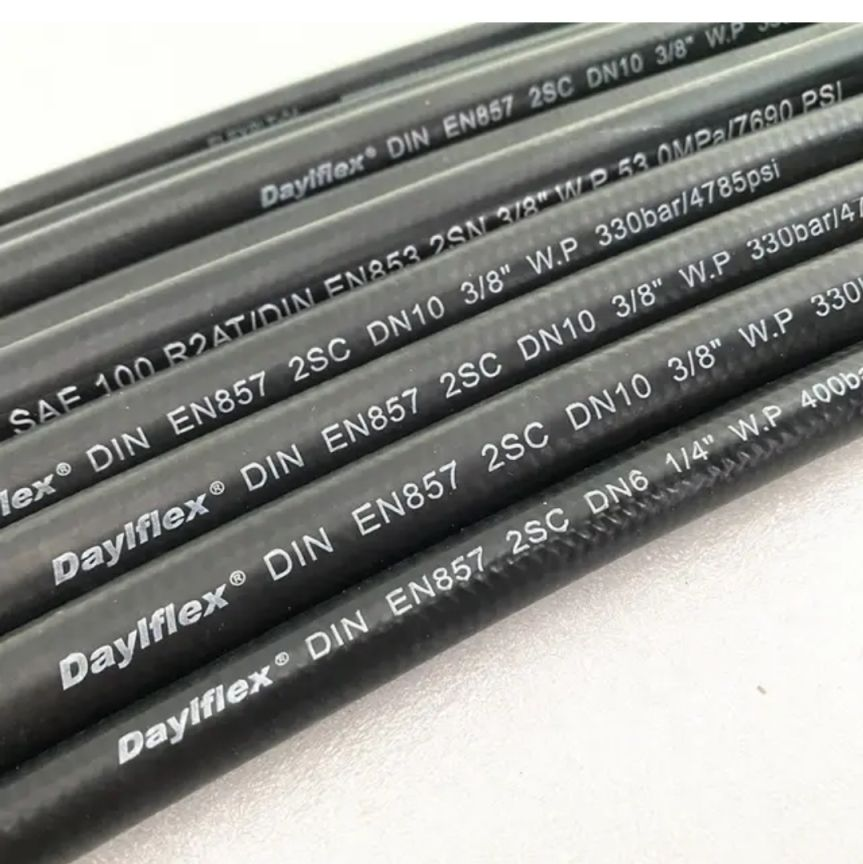
The performance of a suction and delivery hose is intrinsically linked to the materials used in its construction. Common materials include natural rubber (NR), styrene-butadiene rubber (SBR), nitrile rubber (NBR), ethylene propylene diene monomer (EPDM), polyvinyl chloride (PVC), and thermoplastic polyurethane (TPU). Each material offers distinct properties: NR provides excellent elasticity and abrasion resistance, SBR offers good all-around performance at a lower cost, NBR excels in oil resistance, EPDM exhibits superior resistance to weathering and ozone, PVC is cost-effective and versatile, and TPU offers high abrasion resistance and flexibility. The reinforcement layers, typically composed of textile plies (polyester, nylon) or steel wire helixes, determine the hose's pressure handling capability and resistance to kinking.
Manufacturing processes vary depending on the hose type. Rubber hoses are commonly produced through extrusion, where the rubber compound is forced through a die to create the tube, followed by the application of reinforcement layers and a cover. PVC hoses are also extruded, often incorporating a rigid PVC helix for added support. TPU hoses frequently utilize injection molding or extrusion. Key parameters controlled during manufacturing include rubber compound formulation (polymer ratios, filler content, curing agents), extrusion temperature and pressure, reinforcement layer winding tension, and vulcanization/curing time. Inconsistent control of these parameters can lead to defects such as porosity, uneven wall thickness, and inadequate bonding between layers. Chinese manufacturers are increasingly adopting automated production lines and quality control systems, but variations in process control remain a potential source of quality concerns. Ensuring suppliers employ robust Statistical Process Control (SPC) techniques is crucial.
Performance & Engineering
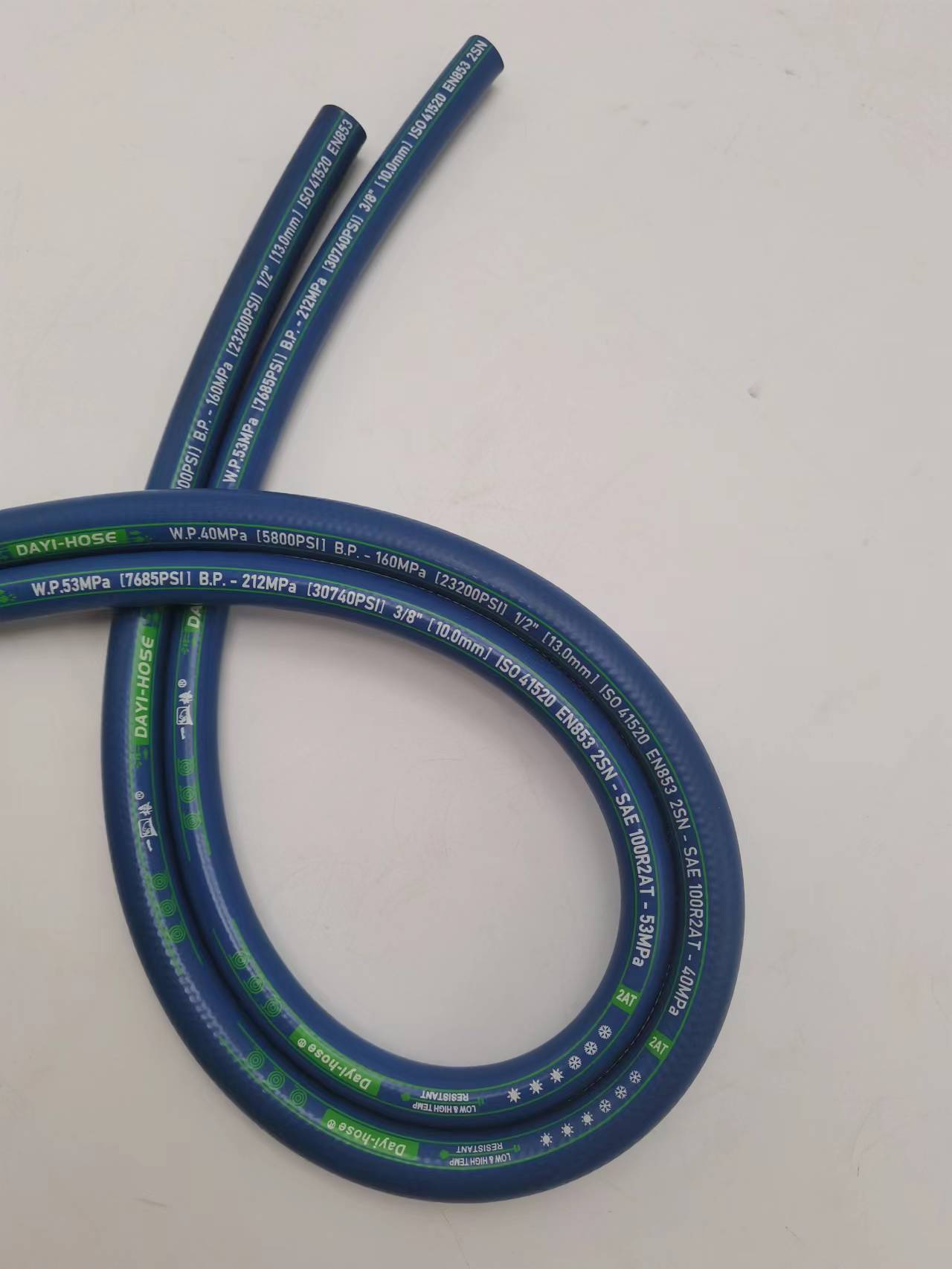
The engineering performance of suction and delivery hoses is dictated by several critical factors. Burst pressure, working pressure, and vacuum resistance are paramount, determined by the hose’s materials and reinforcement structure. Burst pressure represents the maximum pressure the hose can withstand before rupture, while working pressure is the safe operating pressure. Vacuum resistance is essential for suction applications, preventing hose collapse under negative pressure. Flexibility, measured by bend radius, influences the hose's maneuverability and ability to accommodate tight curves. Abrasion resistance is critical in applications involving abrasive materials, minimizing wear and extending hose life. Chemical compatibility is also vital; the hose material must be inert to the fluids being conveyed to prevent degradation and contamination.
Force analysis involves calculating stresses within the hose wall under internal pressure, vacuum, and bending loads. Finite Element Analysis (FEA) is often employed to model these stresses and optimize hose design. Environmental resistance encompasses resistance to temperature extremes, UV radiation, ozone exposure, and weathering. Compliance requirements vary by industry and region, with regulations governing material safety (e.g., RoHS, REACH), pressure vessel safety (e.g., ASME), and food contact compliance (e.g., FDA). A significant challenge in sourcing from China is verifying compliance with these regulations. Independent third-party testing and certification are strongly recommended. Proper hose selection also requires consideration of fluid velocity to prevent erosion and premature failure.
Technical Specifications
| Parameter | Unit | NBR Hose (Typical) | PVC Hose (Typical) | TPU Hose (Typical) |
|---|---|---|---|---|
| Working Pressure | PSI | 150 | 100 | 200 |
| Burst Pressure | PSI | 450 | 300 | 600 |
| Temperature Range | °F | -40 to +212 | -20 to +150 | -40 to +176 |
| Vacuum Resistance | in Hg | 29.9 | 29.9 | 29.9 |
| Tensile Strength | PSI | 2000 | 1500 | 3000 |
| Elongation at Break | % | 300 | 200 | 400 |
Failure Mode & Maintenance
Suction and delivery hoses are susceptible to several failure modes. Fatigue cracking, induced by repeated pressure cycles and bending, is a common issue. Delamination, the separation of layers, can occur due to inadequate bonding or exposure to harsh chemicals. Degradation, caused by UV radiation, ozone, or chemical attack, leads to embrittlement and loss of flexibility. Oxidation can also cause rubber materials to harden and crack. Abrasion wear, particularly with abrasive slurries, erodes the hose’s inner lining. Pinholes can develop due to foreign object penetration or material defects.
Preventive maintenance is crucial. Regular visual inspections should be conducted to identify cracks, blisters, or signs of wear. Pressure testing can detect leaks and assess the hose’s structural integrity. Proper storage is essential; hoses should be stored in a cool, dry, and dark environment, away from direct sunlight and ozone sources. Avoid sharp bends and kinking. When handling chemicals, verify compatibility before use. Cleaning the hose after each use prevents buildup of residues that could cause degradation. In the event of failure, a thorough failure analysis should be performed to determine the root cause and prevent recurrence. Replacing hoses at recommended intervals, based on usage and operating conditions, is a proactive approach to ensuring safety and reliability.
Industry FAQ
Q: What is the primary difference between a rubber hose reinforced with textile plies and one with a steel wire helix, and how does this impact application suitability?
A: Textile-reinforced hoses offer greater flexibility and are suitable for applications requiring frequent bending and maneuvering, such as transfer lines on mobile equipment. However, they have lower pressure handling capabilities compared to steel-wire reinforced hoses. Steel wire helix reinforcement provides significantly higher burst pressure and kink resistance, making them ideal for high-pressure applications like hydraulic systems or heavy-duty fluid transfer. The choice depends on the specific pressure, temperature, and flexibility requirements of the application.
Q: How does the choice of rubber compound (NBR vs. EPDM) affect the lifespan of a hose used in an outdoor environment exposed to both oil and UV radiation?
A: EPDM is significantly superior to NBR in terms of resistance to UV radiation and weathering. While NBR offers excellent oil resistance, prolonged UV exposure will cause it to degrade, becoming brittle and prone to cracking. EPDM, on the other hand, retains its flexibility and strength under UV exposure. For an outdoor application involving oil exposure, an EPDM compound with appropriate oil resistance additives would be the preferred choice to maximize lifespan.
Q: What testing procedures should be implemented to verify that a Chinese-supplied hose meets EN 13765 standards for air and water hose assemblies?
A: Verification requires a comprehensive testing program. Key tests include hydrostatic pressure testing (to demonstrate burst and working pressure), tensile strength testing, elongation at break testing, and ozone resistance testing. A qualified, independent testing laboratory should conduct these tests according to the EN 13765 standard. Documentation, including test reports and certification, is essential. Consider conducting random batch testing even after initial certification to ensure ongoing compliance.
Q: What are the common causes of premature hose failure in slurry transfer applications, and what hose construction features mitigate these risks?
A: Premature failure in slurry applications is often due to abrasive wear of the inner lining. Particle impact and erosion gradually degrade the material. Key mitigating features include a highly abrasion-resistant inner liner (e.g., ceramic-reinforced rubber), a smooth inner surface to minimize friction, and a robust outer cover to protect the reinforcement layers. Using a hose specifically designed for slurry transfer, with appropriate wall thickness and reinforcement, is critical.
Q: How can a procurement manager assess the quality control systems of a potential Chinese suction and delivery hose supplier?
A: Request documentation of the supplier’s quality management system (e.g., ISO 9001 certification). Conduct a factory audit to assess their manufacturing processes, testing capabilities, and record-keeping practices. Inquire about their SPC implementation and their procedures for handling non-conforming materials. Request samples for independent laboratory testing. Check for references from other customers and verify their satisfaction levels. A thorough due diligence process is essential to minimize risk.
Conclusion
The selection of appropriate suction and delivery hoses sourced from China requires a nuanced understanding of material science, manufacturing processes, performance characteristics, and potential failure modes. While cost-effectiveness is a significant advantage, prioritizing quality, compliance, and rigorous testing is paramount. Balancing these considerations ensures operational reliability, minimizes downtime, and safeguards against safety hazards.
Looking ahead, advancements in materials technology, such as the development of more durable and chemically resistant polymers, will continue to improve hose performance. Increased automation and process control within Chinese manufacturing facilities will further enhance product consistency and quality. Proactive procurement strategies, emphasizing supplier qualification, independent testing, and ongoing quality monitoring, will be crucial for successfully navigating the evolving landscape of the Chinese hose supply chain.