
Apr . 01, 2024 17:55 Back to list
china suction and delivery hose manufacturer Performance Analysis
Introduction
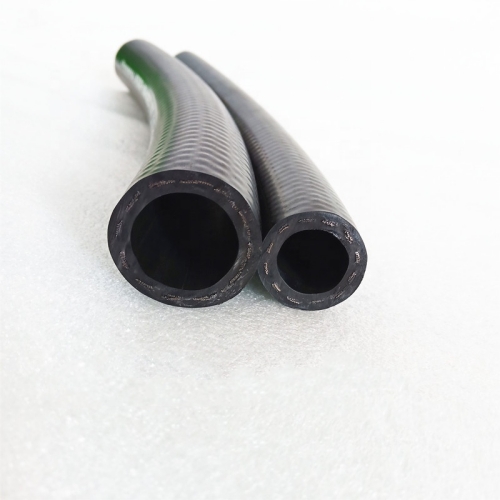
Suction and delivery hoses are critical components in fluid transfer systems across diverse industrial applications, ranging from agricultural irrigation and construction dewatering to chemical processing and marine operations. These hoses are engineered to convey liquids and slurries under pressure and vacuum conditions, demanding robust construction and material compatibility. China suction and delivery hose manufacturers play a significant role in the global supply chain, offering a broad spectrum of hose types constructed from materials like PVC, rubber (natural, SBR, NBR, EPDM), and thermoplastic polyurethane (TPU), often reinforced with textile or steel wire. Core performance characteristics include pressure resistance, flexibility, abrasion resistance, and chemical inertness. The industry faces increasing demands for hoses capable of handling increasingly aggressive media, fluctuating temperatures, and stringent environmental regulations. A key pain point for end-users is selecting the appropriate hose for a specific application to avoid premature failure, downtime, and potential safety hazards. This guide provides an in-depth technical overview of these hoses, covering material science, manufacturing processes, performance characteristics, failure modes, and relevant industry standards.
Material Science & Manufacturing
The performance of a suction and delivery hose is fundamentally dictated by the properties of its constituent materials. PVC hoses, commonly used for water and light-duty applications, rely on the polymer's inherent flexibility and cost-effectiveness. However, PVC exhibits limited resistance to oils and solvents and can become brittle at low temperatures. Rubber hoses, particularly those employing NBR (Nitrile Butadiene Rubber), excel in oil resistance, making them suitable for fuel and lubricant transfer. EPDM (Ethylene Propylene Diene Monomer) rubber offers excellent weather resistance and is commonly used in agricultural applications. TPU hoses represent a premium option, delivering high abrasion resistance, flexibility, and chemical compatibility. Reinforcement materials are crucial for pressure containment. Textile braiding, typically using polyester or nylon, provides moderate reinforcement, while steel wire helices offer significantly higher pressure capacity.
Manufacturing processes vary depending on the hose type. PVC hoses are typically produced via extrusion, where molten PVC is forced through a die to form a continuous tube. Rubber hoses are manufactured through similar extrusion processes, followed by vulcanization – a chemical process that crosslinks the rubber molecules, enhancing strength and elasticity. TPU hoses also rely on extrusion techniques. Reinforcement layers are applied during or after extrusion. Textile braiding is usually performed on a braiding machine, while steel wire is spiraled around the hose using specialized winding equipment. Critical parameters in manufacturing include maintaining consistent wall thickness, ensuring proper adhesion between layers, and controlling the degree of vulcanization. Improper vulcanization can result in either under-cured rubber (leading to low tensile strength) or over-cured rubber (resulting in brittleness). Quality control measures involve regular testing of material properties (tensile strength, elongation, hardness) and dimensional checks.
Performance & Engineering
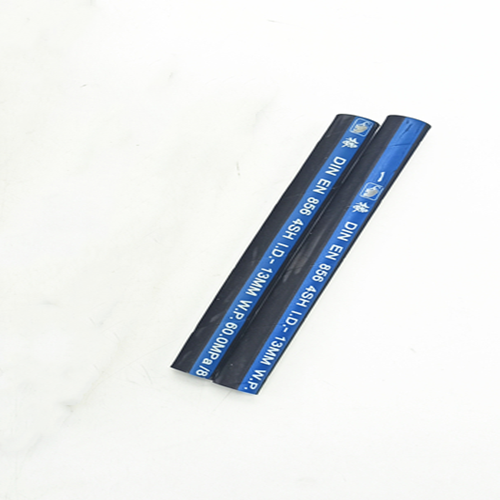
The performance of suction and delivery hoses is assessed based on several key engineering parameters. Burst pressure – the maximum pressure the hose can withstand before rupture – is a critical safety specification, determined through hydrostatic testing. Working pressure is typically a fraction of the burst pressure, providing a safety factor. Vacuum resistance, measured in inches of mercury (inHg), indicates the hose's ability to maintain suction. Flexibility, quantified by bend radius, influences the hose's ease of handling and installation. Abrasion resistance is particularly important in applications involving abrasive materials like sand or slurry. Chemical compatibility dictates the hose's suitability for specific fluids. The hose material must resist degradation, swelling, or leaching when exposed to the conveyed medium.
Force analysis plays a vital role in hose design. Hoop stress, the tensile stress in the hose wall due to internal pressure, must be carefully managed to prevent failure. Reinforcement layers are designed to counteract hoop stress. Fatigue analysis is essential for applications involving pulsating pressure, as repeated stress cycles can lead to fatigue cracking. Environmental resistance is another critical consideration. Exposure to UV radiation, ozone, and extreme temperatures can degrade hose materials over time. Compliance requirements vary depending on the application and region. For example, hoses used in food-grade applications must comply with FDA regulations, while hoses used in the oil and gas industry must meet API standards. Proper hose installation – avoiding sharp bends and ensuring adequate support – is crucial for optimal performance and longevity.
Technical Specifications
| Parameter | PVC Hose (Light Duty) | NBR Rubber Hose (Oil Resistant) | TPU Hose (High Abrasion) | EPDM Rubber Hose (Weather Resistant) |
|---|---|---|---|---|
| Working Pressure (PSI) | 150 | 300 | 400 | 200 |
| Burst Pressure (PSI) | 450 | 900 | 1200 | 600 |
| Temperature Range (°F) | -20 to 150 | -40 to 212 | -40 to 176 | -50 to 212 |
| Tensile Strength (PSI) | 2000 | 4000 | 5000 | 3500 |
| Elongation at Break (%) | 300 | 500 | 600 | 400 |
| Abrasion Resistance (Taber Index) | 50 | 80 | 200 | 70 |
Failure Mode & Maintenance
Suction and delivery hoses are susceptible to various failure modes. Fatigue cracking, caused by repeated pressure cycles, is a common issue, particularly in hoses with inadequate reinforcement. Abrasion, resulting from contact with abrasive materials, can wear through the hose wall. Chemical attack can degrade the hose material, leading to swelling, softening, or cracking. UV exposure can cause embrittlement and surface cracking. Kinking, caused by excessive bending, can restrict flow and damage the hose structure. Delamination, the separation of layers, can occur due to poor adhesion or incompatible materials. Oxidation, especially in rubber hoses, can lead to material degradation.
Preventative maintenance is crucial for extending hose life. Regular visual inspections should be conducted to identify signs of wear, cracking, or swelling. Hoses should be properly stored when not in use, protected from UV radiation and extreme temperatures. Avoid over-pressurizing the hose and ensure compatibility with the conveyed fluid. If a hose shows signs of damage, it should be replaced immediately. Cleaning the hose after use can remove abrasive particles and prevent chemical attack. For rubber hoses, applying a protective coating can help prevent oxidation. Proper hose handling practices – avoiding sharp bends and providing adequate support – are essential for preventing premature failure.
Industry FAQ
Q: What is the primary difference between a PVC and a rubber hose in terms of chemical resistance?
A: PVC generally exhibits poor resistance to oils, solvents, and fuels. NBR rubber hoses are specifically formulated for excellent oil resistance, making them suitable for fuel and lubricant transfer. EPDM offers good resistance to weathering, ozone, and various chemicals, but less resistance to oils than NBR. TPU provides broader chemical compatibility but is more expensive.
Q: How does steel wire reinforcement affect the working pressure of a hose?
A: Steel wire reinforcement significantly increases the hose's ability to withstand internal pressure. The wire helix provides tensile strength that resists hoop stress, allowing for much higher working and burst pressures compared to textile-reinforced hoses.
Q: What is the impact of temperature on hose performance?
A: Temperature affects the flexibility and strength of hose materials. High temperatures can reduce pressure capacity and accelerate degradation. Low temperatures can cause embrittlement, particularly in PVC. It's crucial to select a hose material with a temperature range compatible with the application.
Q: How can I prevent premature failure due to abrasion?
A: Using a hose with high abrasion resistance, such as TPU, is the primary preventative measure. Avoiding contact with abrasive surfaces and using protective sleeves or guards can further extend hose life. Regular inspection for wear is also crucial.
Q: What are the key considerations when selecting a hose for food-grade applications?
A: Food-grade hoses must comply with FDA regulations (or equivalent standards in other regions). The hose material must be non-toxic, non-leaching, and easily cleanable. Specific certifications and material formulations are required to ensure food safety.
Conclusion
The selection and implementation of suction and delivery hoses require a thorough understanding of material properties, manufacturing processes, and performance characteristics. Choosing the appropriate hose for a specific application is paramount to ensuring reliable fluid transfer, preventing costly downtime, and maintaining safety. China suction and delivery hose manufacturers offer a diverse range of options, but careful consideration must be given to factors like pressure requirements, chemical compatibility, temperature range, and abrasion resistance.
Future developments in hose technology are likely to focus on advanced materials, such as reinforced thermoplastics and bio-based polymers, offering enhanced performance and sustainability. Furthermore, advancements in manufacturing techniques, such as automated braiding and precision extrusion, will improve hose quality and consistency. Continued adherence to stringent industry standards and rigorous quality control measures will be critical to maintaining the reliability and safety of these essential components in fluid transfer systems.