
Apr . 01, 2024 17:55 Back to list
china suction and delivery hose factory Performance Analysis
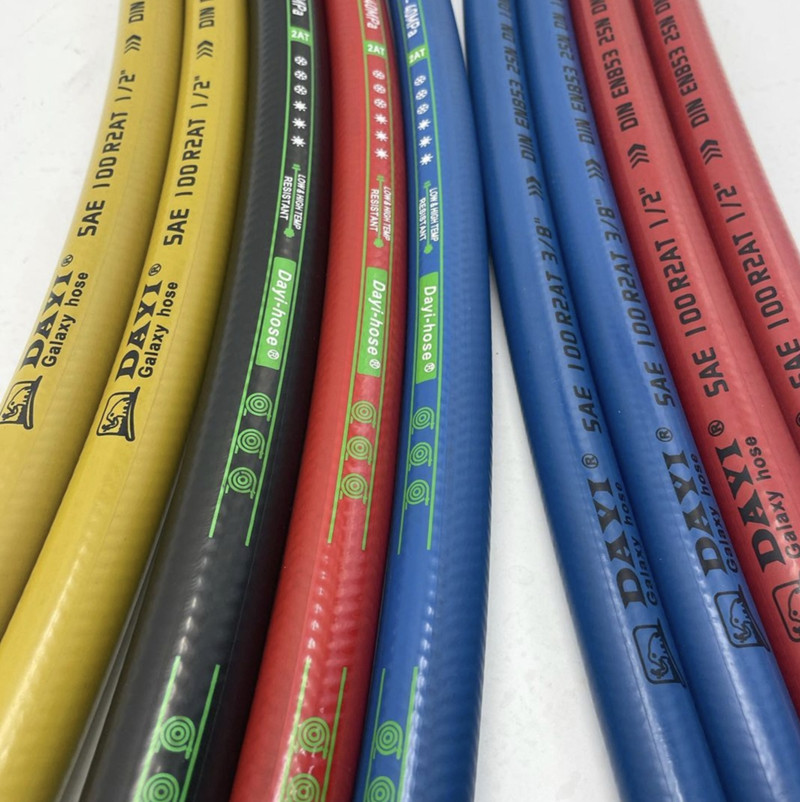
Introduction
Suction and delivery hoses are critical components in fluid transfer systems across diverse industrial applications, including agriculture, construction, mining, oil & gas, and chemical processing. These hoses, manufactured extensively by facilities in China, facilitate the transfer of liquids and slurries from source to destination. Their performance is dictated by their ability to withstand internal pressure, external forces, chemical attack, and abrasion. This guide provides a comprehensive technical overview of suction and delivery hoses produced by china suction and delivery hose factory, encompassing material science, manufacturing processes, performance characteristics, failure modes, and relevant industry standards. The core performance metrics defining hose suitability include burst pressure, vacuum rating, temperature resistance, chemical compatibility, and service life. Addressing the primary industry pain point of premature hose failure due to improper material selection, inadequate construction, or harsh operating conditions is a central focus.
Material Science & Manufacturing
Suction and delivery hoses are typically constructed from a combination of materials, each contributing to specific performance attributes. The most common materials include synthetic rubbers (SBR, NBR, EPDM, Chloroprene), thermoplastic polymers (PVC, TPU, Polyethylene), and reinforcement layers (textile ply, steel wire helix). NBR (Nitrile Butadiene Rubber) offers excellent resistance to oils and fuels, making it suitable for fuel transfer applications. EPDM (Ethylene Propylene Diene Monomer) provides superior resistance to weathering, ozone, and heat, ideal for agricultural and outdoor use. PVC (Polyvinyl Chloride) provides cost-effectiveness and good chemical resistance, commonly used for water and general-purpose applications. The manufacturing process generally involves extrusion of the rubber or thermoplastic compound, followed by reinforcement layer application (calendaring or spiraling of textile/steel), and final curing or calendaring. Parameter control during extrusion is crucial, encompassing temperature profiles, screw speed, and die design to ensure uniform wall thickness and material properties. Reinforcement layer tensioning is also critical; insufficient tension compromises burst pressure, while excessive tension can lead to deformation or premature failure. Quality control measures include dimensional checks, pressure testing (hydrostatic and pneumatic), and material composition analysis (using techniques like Fourier Transform Infrared Spectroscopy - FTIR).
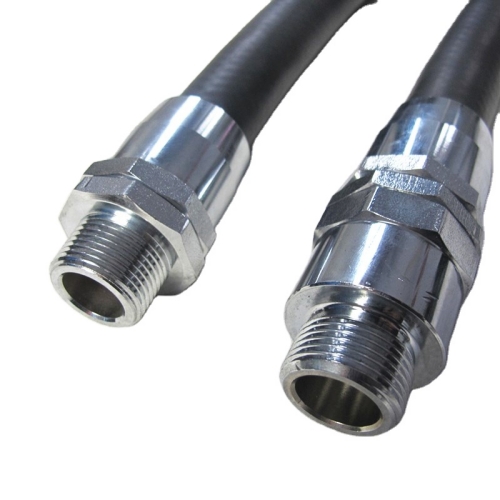
Performance & Engineering
The performance of a suction and delivery hose is heavily reliant on its ability to withstand both internal and external forces. Internal pressure is determined by the pumping system's operating pressure and the fluid's density. The hose must exhibit sufficient burst pressure, typically with a 4:1 safety factor, to prevent catastrophic failure. Vacuum rating is critical for suction applications, where the hose must resist collapsing under negative pressure. Engineering considerations include stress analysis using Finite Element Analysis (FEA) to optimize wall thickness and reinforcement configuration. Environmental resistance, specifically UV exposure, ozone degradation, and chemical compatibility, are paramount. Hose materials must be selected based on the intended application and the fluid being transferred. Chemical compatibility charts detailing resistance to various acids, alkalis, and solvents are essential. Compliance requirements, such as REACH and RoHS, dictate restrictions on hazardous substances used in hose construction. Furthermore, electrostatic dissipative (ESD) hoses are required when transferring flammable fluids to prevent static charge buildup and potential ignition.
Technical Specifications
| Parameter | Unit | NBR Hose | EPDM Hose |
|---|---|---|---|
| Working Pressure | psi | 150 | 120 |
| Burst Pressure | psi | 600 | 480 |
| Vacuum Rating | inHg | 29.9 | 29.9 |
| Temperature Range | °F | -40 to 212 | -40 to 250 |
| Reinforcement | - | Steel Wire Helix | Textile Braid |
| Chemical Resistance | - | Oils, Fuels | Ozone, Weathering |
Failure Mode & Maintenance
Suction and delivery hoses are susceptible to several failure modes. Fatigue cracking occurs due to repeated flexing and pressure cycling, particularly in areas of high stress concentration (e.g., hose ends). Delamination, the separation of reinforcement layers, results from inadequate bonding between materials or exposure to harsh chemicals. Oxidation and ozone cracking degrade the rubber matrix, leading to brittleness and cracking, especially in EPDM hoses exposed to UV radiation. Abrasion occurs due to friction with abrasive materials transported or contact with rough surfaces. Chemical attack causes swelling, softening, or dissolving of the hose material. Regular inspection is crucial. This includes visual checks for cracks, blisters, and abrasion. Pressure testing should be performed periodically to verify hose integrity. Proper storage, avoiding direct sunlight and extreme temperatures, extends hose life. When handling, avoid sharp bends and kinks. For chemical compatibility concerns, consult a chemical resistance chart before use. Damaged hoses should be replaced immediately; attempts to repair compromised hoses are generally not recommended due to the potential for catastrophic failure.
Industry FAQ
Q: What is the impact of fluid velocity on hose life?
A: Higher fluid velocity increases internal pressure and abrasion, accelerating wear and tear. Exceeding the manufacturer's recommended flow rate can significantly reduce hose lifespan and increase the risk of failure. Appropriate flow control measures are essential.
Q: How does the choice of reinforcement affect hose performance?
A: Steel wire reinforcement provides higher burst pressure and kink resistance, ideal for high-pressure applications. Textile braid offers flexibility and is suitable for lower-pressure applications. The reinforcement type must be selected based on the specific operating conditions.
Q: What are the key considerations for chemical compatibility?
A: Chemical compatibility is paramount. The hose material must be resistant to the chemical being transferred to prevent swelling, softening, or degradation. Consulting a chemical resistance chart and considering concentration and temperature are crucial.
Q: How important is proper hose clamping?
A: Proper clamping is vital to prevent leakage and maintain connection integrity. Clamps must be appropriately sized and tightened to the manufacturer's specifications. Over-tightening can damage the hose, while under-tightening can lead to leaks.
Q: What is the significance of static dissipation in certain applications?
A: When transferring flammable fluids, static charge buildup can create a spark and ignite the fluid. Static dissipative hoses, constructed with conductive materials, prevent charge accumulation and minimize this risk. Grounding the hose is also essential.
Conclusion
Suction and delivery hoses are engineered systems where material selection, manufacturing precision, and proper application are crucial for reliable performance. Understanding the interplay between internal pressure, vacuum requirements, chemical compatibility, and environmental factors is vital for selecting the optimal hose for a given application. China suction and delivery hose factory leverages advanced manufacturing techniques and quality control processes to deliver hoses meeting stringent industry standards.
The continued innovation in hose materials and construction promises improved durability, enhanced chemical resistance, and increased operating efficiencies. Proactive maintenance, regular inspection, and adherence to best practices significantly extend hose lifespan and prevent costly downtime. Selecting a reputable manufacturer with a commitment to quality, like china suction and delivery hose factory, is fundamental to achieving long-term reliability and operational success.