
Apr . 01, 2024 17:55 Back to list
china steel braided hydraulic hose factory Performance Analysis
Introduction
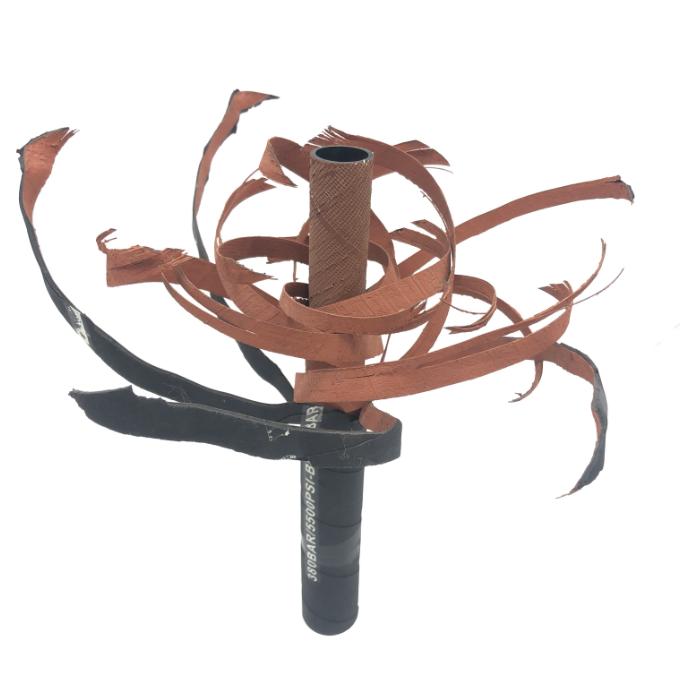
Steel braided hydraulic hoses are critical components in fluid power systems, transmitting hydraulic fluid to actuate machinery. China steel braided hydraulic hose factories represent a significant portion of global production, serving a broad spectrum of industries including construction, agriculture, manufacturing, and automotive. These hoses consist of an inner tube – typically synthetic rubber – reinforced with one or more layers of high-tensile steel wire braid, and an outer cover providing abrasion and environmental protection. Their primary function is to convey hydraulic power efficiently and safely under high pressure, often exceeding 4,000 psi, while maintaining flexibility and resisting kinking. The manufacturing process is heavily dependent on precision engineering and quality control to ensure reliability and prevent catastrophic failure. Core performance characteristics include pressure rating, burst pressure, temperature range, fluid compatibility, and resistance to abrasion and impact. The selection of appropriate hose construction materials and braiding patterns directly impacts service life and operational safety.
Material Science & Manufacturing
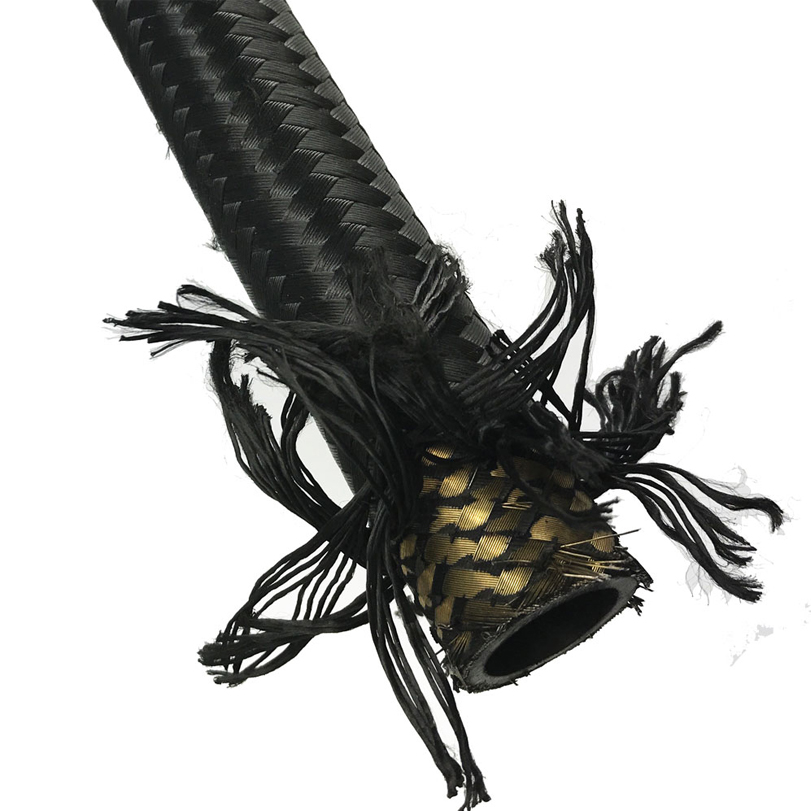
The construction of steel braided hydraulic hoses relies on a specific combination of materials engineered for compatibility and durability. The inner tube is commonly composed of nitrile rubber (NBR) for oil resistance, ethylene propylene diene monomer (EPDM) for water and phosphate ester fluid compatibility, or fluorocarbon rubber (FKM) for high-temperature and aggressive chemical environments. The reinforcement braid is typically high-strength carbon steel wire, often plated with zinc for corrosion protection. The outer cover commonly utilizes synthetic rubbers like chloroprene (CR) for abrasion and weather resistance. Manufacturing begins with extrusion of the inner tube to precise dimensions. The steel wire is then helically wound around the inner tube using automated braiding machines. Critical process parameters include braid angle, wire tension, and layer count – these directly impact the hose's pressure capacity and flexibility. Following braiding, the outer cover is extruded, and the hose undergoes curing (vulcanization) to achieve desired mechanical properties. Post-curing, hoses are subjected to rigorous testing, including pressure testing, impulse testing, and dimensional checks. Quality control focuses on ensuring proper adhesion between layers, consistent braid coverage, and freedom from defects like pinholes or inclusions. Material selection must also consider factors like fluid velocity and potential for erosion.
Performance & Engineering
Performance of steel braided hydraulic hoses is dictated by several key engineering principles. Burst pressure is determined by the tensile strength of the steel wire and the efficiency of the braid construction. The higher the tensile strength and the tighter the braid, the greater the burst pressure. Fatigue life is a critical concern, particularly in applications with cyclical pressure and movement. Impulse testing simulates these conditions and assesses the hose’s ability to withstand repeated pressure surges without failure. Flexibility is governed by the braid angle; shallower angles provide greater flexibility, while steeper angles increase pressure capacity. Force analysis considers hoop stress within the hose wall, which is directly proportional to pressure and hose diameter. Environmental resistance requires careful selection of cover materials to prevent degradation from ozone, UV radiation, and chemical exposure. Compliance with industry standards (SAE, DIN EN) is essential, ensuring interoperability and safety. Furthermore, proper hose assembly practices, including correct fitting selection and crimping procedures, are crucial for optimal performance. Incorrect assembly can significantly reduce hose lifespan and create potential failure points. The selection of fittings must consider fluid compatibility and operating temperature.
Technical Specifications
| Parameter | Unit | SAE 100R2 AT | SAE 100R1 AT |
|---|---|---|---|
| Working Pressure | MPa | 31.5 | 21.0 |
| Burst Pressure | MPa | 105 | 63 |
| Temperature Range | °C | -40 to +100 | -40 to +70 |
| Inner Tube Material | - | Synthetic Rubber (NBR) | Synthetic Rubber (NBR) |
| Reinforcement | - | 2 Steel Wire Braid | 1 Steel Wire Braid |
| Outer Cover Material | - | Synthetic Rubber (CR) | Synthetic Rubber (CR) |
Failure Mode & Maintenance
Steel braided hydraulic hoses are susceptible to several failure modes. The most common is burst failure, typically initiated by exceeding the working pressure or due to fatigue cracking in the steel wire braid. Fatigue cracking arises from repeated flexing and pressure cycling, leading to progressive damage accumulation. Another frequent failure is pinhole leaks in the inner tube, often caused by contamination or internal abrasion. External damage, such as abrasion, impact, or chemical exposure, can compromise the outer cover, leading to braid corrosion and eventual hose failure. Kinking, caused by excessive bending, can damage the inner tube and reduce flow capacity. Fitting failures – including corrosion, loosening, or improper crimping – are also common. Preventative maintenance includes regular visual inspections for signs of wear, damage, or leaks. Hoses should be replaced if they exhibit cuts, abrasions, swelling, or stiffness. Proper routing and support are essential to prevent kinking and abrasion. Fluid cleanliness is critical; filtration systems should be used to remove contaminants. Regular pressure testing can identify potential weaknesses before catastrophic failure. The use of correct fittings and proper crimping procedures are paramount to ensure a secure and leak-free connection. Avoid twisting the hose during installation.
Industry FAQ
Q: What is the impact of fluid velocity on the lifespan of a steel braided hose?
A: Higher fluid velocities can lead to increased internal abrasion of the inner tube, particularly with fluids containing particulate matter. This erosion gradually thins the inner tube wall, reducing its burst pressure and ultimately leading to failure. Selecting a hose with a larger inner diameter can mitigate this issue by reducing fluid velocity for a given flow rate.
Q: How does temperature affect the performance of a hydraulic hose?
A: Temperature extremes can significantly impact hose performance. High temperatures can cause rubber compounds to degrade, leading to reduced flexibility and increased risk of cracking. Low temperatures can increase the stiffness of the hose, making it more susceptible to kinking and damage. It's critical to select a hose with a temperature range that matches the application's operating conditions.
Q: What are the differences between single-layer and multi-layer braided hoses?
A: Multi-layer braided hoses offer significantly higher pressure ratings and improved fatigue life compared to single-layer hoses. Each layer of braiding contributes to increased tensile strength and resistance to pressure surges. However, multi-layer hoses generally have reduced flexibility. The choice depends on the specific application requirements.
Q: What is the role of zinc plating on steel wire braid?
A: Zinc plating provides sacrificial corrosion protection to the steel wire braid. Zinc corrodes preferentially to steel, preventing rust and maintaining the integrity of the reinforcement layer. This is particularly important in environments with high humidity or exposure to corrosive fluids.
Q: How important is proper crimping when assembling hydraulic hoses?
A: Proper crimping is absolutely critical. An improperly crimped fitting can either be loose, leading to leakage, or too tight, potentially damaging the hose and reducing its lifespan. Crimping must be performed using calibrated tools and fittings specifically designed for the hose and fitting combination. Incorrect crimping significantly increases the risk of catastrophic failure.
Conclusion
Steel braided hydraulic hoses are vital components in numerous industrial applications, demanding careful material selection, precise manufacturing processes, and diligent maintenance. Understanding the interplay between material properties, engineering principles, and potential failure modes is paramount for ensuring operational safety and maximizing service life. China steel braided hydraulic hose factories play a key role in global supply, and maintaining consistent quality control is essential.
Future advancements will likely focus on developing lighter-weight materials, improving corrosion resistance, and incorporating smart sensing technologies for real-time monitoring of hose condition. Continued adherence to industry standards and best practices will remain crucial for ensuring the reliability and performance of these critical fluid power components.