
Apr . 01, 2024 17:55 Back to list
china smooth cover steel wire braided hydraulic hose suppliers Performance Analysis
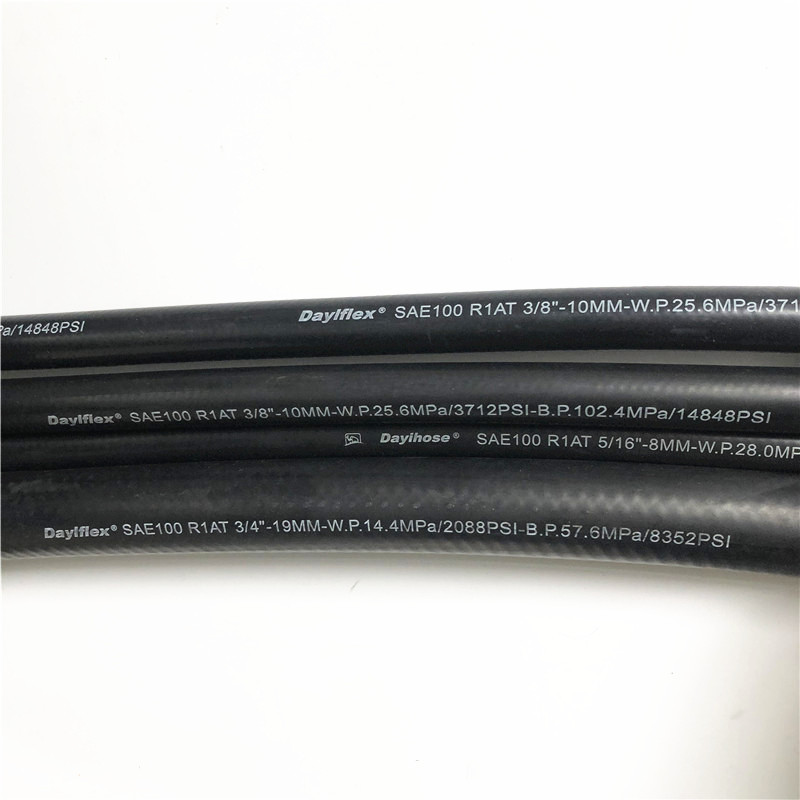
Introduction
Steel wire braided hydraulic hose with a smooth cover represents a critical component in fluid power systems across a vast range of industrial applications. Originating primarily from manufacturers in China, these hoses are increasingly prevalent due to their competitive pricing and expanding quality standards. Their position in the industry chain lies between raw material suppliers (steel, rubber compounds, wire) and end-users in sectors like construction, agriculture, mining, and manufacturing. Core performance characteristics revolve around pressure containment, flexibility, abrasion resistance, and temperature tolerance. The smooth cover, typically a polyurethane or polyester blend, is critical for protecting the reinforcement layers and resisting external damage. This guide provides a detailed technical overview of these hoses, encompassing material science, manufacturing processes, performance parameters, failure modes, and relevant industry standards. A key industry pain point is consistent quality control, particularly regarding layer adhesion and burst pressure verification, prompting increasing demand for transparency and traceability from suppliers.
Material Science & Manufacturing
The construction of a smooth cover steel wire braided hydraulic hose involves several key materials and manufacturing steps. The inner tube is typically composed of a synthetic rubber compound, often nitrile rubber (NBR) for oil resistance, or ethylene propylene diene monomer (EPDM) for applications requiring water and heat resistance. NBR's resistance to petroleum-based fluids is determined by its acrylonitrile content, with higher percentages offering improved resistance but reduced flexibility at lower temperatures. The reinforcement layer consists of high-tensile steel wire, commonly carbon steel, spirally wound to provide pressure containment. Wire surface treatment, including galvanization or brass plating, is crucial for preventing corrosion and ensuring adhesion with the rubber compounds. The smooth cover is generally a polyurethane (PU) or polyester elastomer, selected for its abrasion resistance, weatherability, and resistance to oil and chemicals. Manufacturing begins with extrusion of the inner tube, followed by the spiral winding of the steel wire. This assembly is then vulcanized – a process involving heat and pressure – to bond the layers together. Critical parameters during vulcanization include temperature, pressure, and cure time, all of which influence the final hose properties. Finally, the smooth cover is extruded over the reinforced inner tube and vulcanized, completing the hose construction. Batch consistency in rubber compound formulation, accurate wire tension control during winding, and precise vulcanization parameters are essential for achieving uniform performance characteristics.

Performance & Engineering
Performance analysis of steel wire braided hydraulic hoses centers on several critical engineering considerations. Burst pressure, determined through hydrostatic testing, is the maximum pressure the hose can withstand before failure. This is directly related to the number and tensile strength of the steel wire layers. Minimum burst pressure requirements are typically defined by industry standards (see Section 7). Fatigue resistance is also crucial, as hoses are subjected to repeated pressure cycles during operation. This is influenced by the quality of the reinforcement layers and the flexibility of the hose. Environmental resistance is another key factor, particularly in outdoor applications. The smooth cover must resist degradation from UV exposure, ozone, and temperature extremes. Chemical compatibility is also important; the inner tube material must be compatible with the fluids being conveyed to prevent swelling, degradation, or permeation. Force analysis involves calculating hoop stress in the hose wall under pressure, ensuring it remains below the yield strength of the materials. Compliance requirements are governed by standards like SAE J517 (hydraulic hose) and EN 853 (hydraulic hose assemblies). These standards define test methods, performance criteria, and labeling requirements. Proper hose assembly, including correct crimping of fittings, is essential for ensuring leak-free operation and maximizing hose life. Incorrect crimping can lead to premature failure due to stress concentration.
Technical Specifications
| Parameter | Unit | Typical Value (DN20, 6-Layer Wire Braid) | Testing Standard |
|---|---|---|---|
| Working Pressure | MPa | 25 | SAE J517 |
| Burst Pressure | MPa | 100 | SAE J517 |
| Temperature Range | °C | -40 to +100 | SAE J517 |
| Inner Tube Material | - | NBR (Nitrile Rubber) | ASTM D2000 |
| Reinforcement Material | - | High-Tensile Steel Wire | ASTM A938 |
| Cover Material | - | Polyurethane (PU) | ASTM D2000 |
Failure Mode & Maintenance
Common failure modes in steel wire braided hydraulic hoses include burst failure due to exceeding the working pressure, fatigue cracking from repeated flexing, abrasion damage to the cover, and corrosion of the steel wire. Burst failure is often catastrophic and results from a sudden rupture of the hose wall. Fatigue cracking typically initiates at points of high stress concentration, such as near fittings or due to internal defects in the reinforcement layers. Abrasion damage weakens the cover, potentially leading to reinforcement layer exposure and subsequent corrosion. Corrosion of the steel wire reduces its tensile strength, increasing the risk of failure. Internal degradation of the rubber compounds, caused by incompatible fluids or high temperatures, can also lead to hose failure. Preventative maintenance is crucial for extending hose life. Regular visual inspections should be conducted to identify any signs of damage, such as cuts, abrasions, or bulges. Hoses should be replaced if any damage is detected. Avoid excessive bending or kinking, as this can weaken the reinforcement layers. Ensure proper hose routing to minimize abrasion and exposure to extreme temperatures. Periodically check fittings for leaks and tighten as necessary. Proper storage conditions, avoiding direct sunlight and extreme temperatures, are also important for maintaining hose integrity. For hoses exposed to corrosive environments, consider using hoses with specialized corrosion-resistant wire treatments or covers.
Industry FAQ
Q: What is the impact of steel wire braiding angle on hose pressure performance?
A: The braiding angle directly affects the hose's ability to withstand internal pressure. A smaller braiding angle (steeper helix) provides greater axial strength and resistance to stretching under pressure, resulting in a higher burst pressure. However, a very small angle can reduce the hose’s flexibility. Optimizing the angle is a trade-off between pressure resistance and flexibility, carefully considered during design.
Q: How does the choice of cover material affect the lifespan of the hose in outdoor applications?
A: The cover material is critical for protecting the hose from environmental degradation. Polyurethane (PU) covers generally offer superior abrasion resistance and UV resistance compared to polyester covers. However, PU can be more susceptible to hydrolysis (degradation by water). The selection depends on the specific environmental conditions – PU is preferred for general outdoor use, while specialized covers are needed for prolonged exposure to seawater or harsh chemicals.
Q: What quality control measures should be in place to ensure consistent burst pressure ratings?
A: Rigorous quality control is essential. This includes raw material testing (steel wire tensile strength, rubber compound properties), in-process inspection during manufacturing (wire tension, vulcanization temperature), and 100% hydrostatic testing of finished hoses to verify burst pressure. Statistical process control (SPC) should be implemented to monitor critical parameters and identify any deviations from specifications.
Q: What are the typical failure modes associated with improper hose crimping?
A: Improper crimping can lead to several failure modes. Under-crimping results in leakage due to inadequate sealing between the hose and fitting. Over-crimping can damage the hose reinforcement, reducing its strength and leading to premature failure. Eccentric crimping creates uneven stress distribution, increasing the risk of fatigue cracking. Proper crimping requires calibrated tooling and adherence to fitting manufacturer’s specifications.
Q: How do different rubber compounds affect fluid compatibility?
A: Different rubber compounds exhibit varying levels of compatibility with different fluids. Nitrile Rubber (NBR) provides excellent resistance to petroleum-based oils, fuels, and hydraulic fluids. Ethylene Propylene Diene Monomer (EPDM) is suitable for water, glycol-based fluids, and phosphate ester hydraulic fluids. Fluoroelastomers (FKM) offer the broadest chemical resistance but are more expensive. Selecting the correct rubber compound based on the conveyed fluid is crucial for preventing swelling, degradation, and hose failure.
Conclusion
Steel wire braided hydraulic hoses with smooth covers represent a robust and versatile solution for fluid power transmission. Their performance is intrinsically linked to material selection, manufacturing precision, and adherence to industry standards. Understanding the interplay between these factors – from rubber compound formulations and wire braiding techniques to environmental resistance and failure modes – is essential for selecting and maintaining hoses that deliver reliable and long-lasting performance. The increasing sophistication of manufacturing processes in China, coupled with a growing emphasis on quality control, positions these suppliers as key players in the global hydraulic hose market.
Future development trends focus on enhancing hose durability, reducing weight, and improving environmental sustainability. This includes the exploration of alternative reinforcement materials (e.g., high-strength fibers) and the development of biodegradable rubber compounds. Furthermore, advancements in non-destructive testing techniques will enable more comprehensive quality control, ensuring the continued reliability of these critical components. The ability to trace materials back to their origin and offer full transparency in manufacturing processes will be paramount for meeting the evolving demands of discerning industrial customers.