
Apr . 01, 2024 17:55 Back to list
china smooth cover steel wire braided hydraulic hose supplier Performance Analysis
Introduction
Steel wire braided hydraulic hose with a smooth cover represents a critical component in fluid power systems across numerous industries, including construction, agriculture, material handling, and manufacturing. These hoses are designed to convey hydraulic fluid under high pressure, transmitting power and enabling the operation of heavy machinery. As a leading china smooth cover steel wire braided hydraulic hose supplier, we specialize in the design, manufacture, and distribution of hoses meeting rigorous international standards. This guide provides a comprehensive technical overview, encompassing material science, manufacturing processes, performance characteristics, failure modes, and maintenance protocols. The increasing demand for reliable and durable hydraulic systems necessitates a detailed understanding of hose construction and operational parameters. Core performance centers around burst pressure, working pressure, temperature range, and fluid compatibility, directly impacting system efficiency and safety.
Material Science & Manufacturing
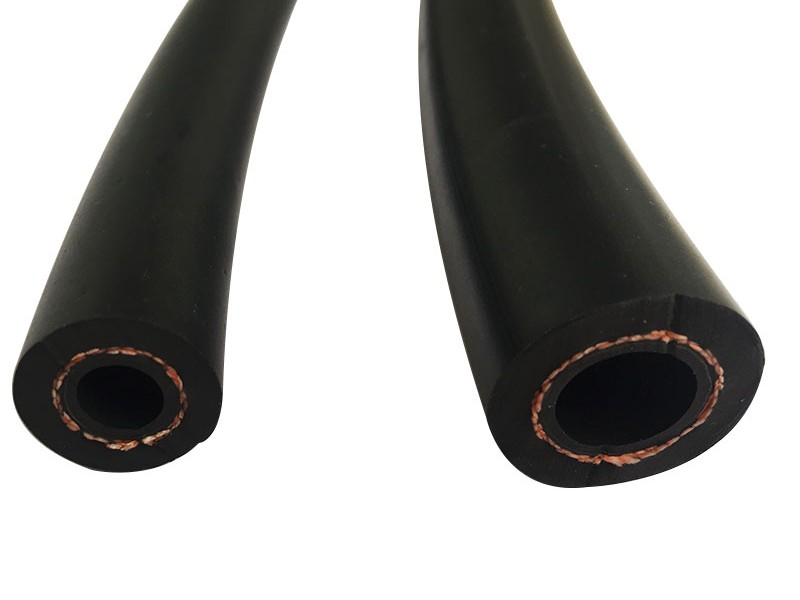
The construction of steel wire braided hydraulic hose involves several key materials and a multi-stage manufacturing process. The inner tube is typically composed of a synthetic rubber compound, most commonly nitrile rubber (NBR) due to its excellent resistance to petroleum-based hydraulic fluids. Other options include chloroprene rubber (CR) for improved ozone and weathering resistance, and ethylene propylene diene monomer (EPDM) for compatibility with phosphate ester fluids. The reinforcement layer consists of high-tensile steel wire, spirally wound to provide the necessary pressure resistance. The quantity of steel wire layers directly correlates to the hose's maximum working pressure. The cover is typically a synthetic rubber, often a blend of styrene-butadiene rubber (SBR) and nitrile rubber, providing abrasion, ozone, and weathering protection.
Manufacturing begins with inner tube extrusion, meticulously controlled to ensure consistent wall thickness and material homogeneity. The steel wire is then spirally wound around the inner tube, with precise tension control crucial for preventing wire breakage and ensuring uniform reinforcement. This assembly is then vulcanized – a chemical process using heat and pressure to cross-link the rubber compounds, creating a durable and flexible hose body. Precise temperature and time control during vulcanization are paramount to achieve optimal rubber properties. Finally, the cover is extruded over the reinforcement layer and vulcanized, completing the hose assembly. Quality control measures at each stage, including hydrostatic testing to verify burst pressure, dimensional inspection, and visual defect detection, are essential.
Performance & Engineering
The performance of steel wire braided hydraulic hose is governed by several engineering principles. Burst pressure, the maximum pressure the hose can withstand before rupture, is determined by the reinforcement layer's strength (steel wire grade and quantity) and the inner tube's integrity. Working pressure is significantly lower, typically 50-75% of the burst pressure, providing a safety margin. Fatigue resistance, the ability to withstand repeated pressure cycles, is a critical factor, especially in applications with pulsating flow. This is heavily influenced by the quality of the steel wire, the rubber compound's resilience, and the hose's overall construction.
Environmental resistance is also vital. Hydraulic hoses are often exposed to harsh conditions, including extreme temperatures, UV radiation, and corrosive fluids. The rubber compounds must be selected to withstand these conditions, preventing degradation and maintaining flexibility. Furthermore, adherence to industry standards like SAE J517 and EN 856 is essential. These standards define performance requirements, testing procedures, and safety guidelines. Force analysis is critical in determining the appropriate hose size and reinforcement level for specific applications. Considering factors such as flow rate, pressure drop, and bend radius ensures optimal performance and prevents premature failure. Chemical compatibility assessment is also crucial to prevent swelling, softening, or degradation of the inner tube material when exposed to specific hydraulic fluids.
Technical Specifications
| Parameter | Unit | Specification Range | Testing Standard |
|---|---|---|---|
| Working Pressure | MPa | 10 – 350 | SAE J517, EN 856 |
| Burst Pressure | MPa | 30 – 1050 | SAE J517, EN 856 |
| Temperature Range | °C | -40 to +100 | SAE J517, EN 856 |
| Inner Tube Material | - | NBR, CR, EPDM | ASTM D2000 |
| Reinforcement | Layers | 1SP to 6SP | SAE J517 |
| Cover Material | - | SBR/NBR Blend | ASTM D2000 |
Failure Mode & Maintenance
Steel wire braided hydraulic hoses are susceptible to various failure modes. Fatigue cracking, initiated by repeated pressure cycles and bending, is a common cause of failure, particularly near the fittings. Wire breakage, often stemming from corrosion or manufacturing defects, can lead to sudden hose rupture. Cover abrasion, caused by rubbing against other components, can expose the reinforcement layer, leading to corrosion and eventual failure. Internal degradation of the rubber compounds, due to chemical incompatibility or excessive temperature, can also compromise hose integrity. Oxidation and ozone cracking of the cover material, particularly in outdoor applications, can reduce its protective capacity.
Preventative maintenance is crucial for extending hose life and preventing catastrophic failures. Regular visual inspections should be conducted to identify signs of abrasion, cracking, or swelling. Hose fittings should be checked for leaks and proper torque. Hydraulic fluid should be analyzed periodically to ensure compatibility with the hose materials and to detect contamination. Avoid sharp bends and excessive twisting during installation. Proper hose routing and support are essential to minimize stress. When replacing a hose, ensure that the new hose has the correct specifications (pressure rating, temperature range, fluid compatibility) for the application. It's also best practice to replace fittings whenever a hose is replaced, ensuring optimal sealing and preventing potential leak points.
Industry FAQ
Q: What is the impact of steel wire count on hose pressure rating?
A: Increasing the steel wire count directly increases the tensile strength of the reinforcement layer. This allows the hose to withstand higher internal pressures before reaching its burst point. Each additional layer of steel wire contributes to the overall pressure capacity, but there are diminishing returns – beyond a certain point, the added benefit is minimal compared to the increased cost and rigidity.
Q: How does temperature affect the performance of a hydraulic hose?
A: Temperature extremes can significantly impact hose performance. High temperatures can accelerate rubber degradation and reduce the hose's pressure rating. Low temperatures can reduce the rubber's flexibility, increasing the risk of cracking. The specified temperature range for a hose should always be considered, and hoses operating outside of this range may experience premature failure.
Q: What are the common causes of hydraulic hose leaks?
A: Common causes include damaged or improperly tightened fittings, cracked or abraded hose covers, internal degradation of the hose lining, and incompatibility between the hose material and the hydraulic fluid. Regular inspection and proper maintenance are essential for identifying and addressing these issues before they lead to leaks.
Q: What is the difference between hose "layline" and "cover"?
A: The layline is a colored stripe or marking on the hose cover that indicates the location of the reinforcement layer (steel wire). It serves as a visual warning signal if the hose begins to delaminate or separate. The cover is the outer layer of the hose, providing abrasion, weather, and chemical protection.
Q: How important is fluid compatibility when selecting a hydraulic hose?
A: Fluid compatibility is paramount. Using a hose with an incompatible fluid can cause the inner tube to swell, soften, or degrade, leading to leaks and premature failure. The hose manufacturer's fluid compatibility chart should be consulted to ensure the hose material is suitable for the intended application.
Conclusion
Steel wire braided hydraulic hoses are indispensable components in countless industrial applications. Understanding their material science, manufacturing processes, performance characteristics, and potential failure modes is crucial for ensuring safe and reliable operation. Proper hose selection, installation, and preventative maintenance are paramount to maximizing hose lifespan and minimizing downtime.
The continued advancement of rubber technology and steel wire manufacturing will drive further improvements in hydraulic hose performance and durability. Future developments may focus on creating more resistant compounds to harsher chemicals and operating temperatures, alongside smarter hose designs that provide integrated health monitoring capabilities. Adherence to evolving industry standards and a commitment to quality control will remain fundamental to the production of reliable and long-lasting hydraulic hoses.