
Apr . 01, 2024 17:55 Back to list
china smooth cover steel wire braided hydraulic hose manufacturers Performance Analysis
Introduction
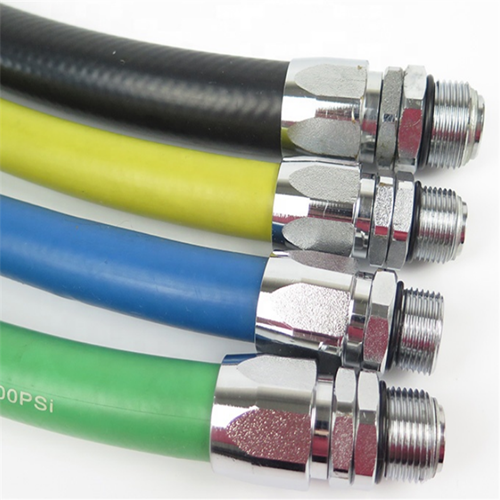
Steel wire braided hydraulic hoses with smooth covers represent a critical component in fluid power systems across diverse industries, including construction, agriculture, mining, and manufacturing. These hoses are engineered to convey hydraulic fluid under high pressure, facilitating the operation of hydraulic machinery. China has emerged as a significant global manufacturer of these hoses, offering a range of products at competitive price points. This guide provides a comprehensive technical overview of these hoses, encompassing material science, manufacturing processes, performance characteristics, failure modes, and relevant industry standards. The smooth cover designation typically indicates an external layer designed to minimize abrasion and protect the reinforcement layers. Core performance metrics revolve around pressure capacity, burst pressure, impulse performance, and fluid compatibility. The selection of appropriate hoses necessitates careful consideration of operating parameters and fluid types to ensure system reliability and safety. Understanding the complexities of hose construction is vital for engineers, procurement managers, and maintenance personnel.
Material Science & Manufacturing
The construction of a smooth cover steel wire braided hydraulic hose involves several key materials and processes. The innermost layer, the tube, is commonly composed of synthetic rubbers like nitrile (NBR), ethylene propylene diene monomer (EPDM), or fluorocarbon (FKM, Viton®) depending on fluid compatibility requirements. NBR provides excellent resistance to petroleum-based fluids, EPDM excels in phosphate ester hydraulic fluids and high-temperature applications, while FKM delivers superior chemical and temperature resistance, albeit at a higher cost. The reinforcement layer typically consists of multiple braids of high-tensile steel wire. The wire gauge and braid angle directly influence the hose’s pressure rating and flexibility. Higher steel wire gauge equates to higher pressure capacity but reduces flexibility. The cover is generally made of synthetic rubber, such as polyurethane or a specially formulated NBR blend, providing abrasion resistance and environmental protection. Manufacturing commences with the extrusion of the inner tube, followed by the application of the steel wire braiding using a specialized braiding machine. Precise tension control during braiding is crucial to ensure uniform reinforcement and prevent premature failure. The cover is then extruded over the braided layer, and the hose undergoes curing in an autoclave to vulcanize the rubber compounds and achieve desired mechanical properties. Key parameters during curing include temperature, pressure, and time. Quality control involves rigorous testing of the cured hose, including pressure testing, impulse testing, and dimensional inspections. Material traceability is essential to ensure compliance with industry standards.

Performance & Engineering
The performance of steel wire braided hydraulic hoses is governed by several critical engineering principles. Pressure rating, measured in psi or bar, is determined by the tensile strength of the steel wire, the braid angle, and the tube diameter. Burst pressure is typically four times the working pressure, providing a safety factor. Impulse performance, the hose's ability to withstand pressure surges, is vital in applications like hydraulic hammers and pumps. This is assessed through impulse testing, subjecting the hose to repeated pressure cycles. Fatigue life is a critical consideration, as repeated flexing and pressure cycling can lead to fatigue cracking of the steel wire. Environmental resistance encompasses factors like temperature extremes, ozone exposure, and UV radiation. Rubber compounds degrade over time due to oxidation and UV exposure, reducing their elasticity and strength. Fluid compatibility dictates the selection of the inner tube material; incompatibility can cause swelling, softening, or degradation of the rubber, leading to leaks and hose failure. Tensile strength and elongation at break are important material properties characterizing the hose's ability to withstand stretching and deformation. The hose's bend radius must also be considered; exceeding the minimum bend radius can damage the reinforcement layers and compromise the hose's integrity. Force analysis is crucial during hose assembly, ensuring proper fitting crimping to prevent blow-off or leakage.
Technical Specifications
| Parameter | Unit | Specification (Typical) | Test Standard |
|---|---|---|---|
| Working Pressure | psi | 2000 - 5000 | SAE J517 |
| Burst Pressure | psi | 8000 - 20000 | SAE J517 |
| Temperature Range | °F | -40 to +212 | SAE J517 |
| Inner Tube Material | - | NBR, EPDM, FKM | ASTM D2000 |
| Reinforcement | - | Steel Wire Braid (1SP, 2SP, 4SP, 6SP) | SAE J517 |
| Cover Material | - | Polyurethane, NBR Blend | ASTM D2000 |
Failure Mode & Maintenance
Steel wire braided hydraulic hoses are susceptible to several failure modes. Fatigue cracking of the steel wire, often initiated at points of high stress concentration due to bending or abrasion, is a common cause of failure. Corrosion of the steel wire, particularly in environments with moisture and corrosive fluids, can significantly reduce its tensile strength. Abrasion of the cover exposes the reinforcement layers to corrosion and damage. Blow-out failures occur when the hose exceeds its pressure rating or the fittings are improperly crimped. Pinholes in the inner tube, caused by chemical attack or material defects, lead to leaks. Hose twisting causes uneven stress distribution in the reinforcement, accelerating fatigue. Improper hose routing, resulting in excessive bending or kinking, can damage the reinforcement layers. Maintenance procedures should include regular visual inspections for signs of abrasion, cracking, or leaks. Hoses should be replaced if they show any evidence of damage or deterioration. Proper hose routing and support are essential to prevent stress and abrasion. Regular fluid analysis can identify potential compatibility issues. The use of appropriate fittings and proper crimping techniques is crucial for ensuring a secure and leak-free connection. Proper storage of hoses, protected from UV exposure and extreme temperatures, extends their service life.
Industry FAQ
Q: What is the significance of the “SP” designation (e.g., 2SP, 4SP) in hose specifications?
A: The “SP” designation refers to the number of steel wire spiral layers used in the reinforcement. 2SP indicates two spiral layers, providing a moderate pressure rating, while 4SP denotes four layers, offering a higher pressure capacity. Higher SP numbers equate to increased strength and pressure resistance but generally reduce hose flexibility.
Q: How does fluid temperature affect hose performance and lifespan?
A: Elevated temperatures accelerate the degradation of rubber compounds, reducing their elasticity and strength. Exposure to high temperatures can lead to hardening, cracking, and ultimately, hose failure. Conversely, extremely low temperatures can reduce flexibility and increase the risk of cracking. Selecting a hose with a temperature rating appropriate for the operating conditions is crucial.
Q: What are the key considerations when selecting a hose for use with specific hydraulic fluids?
A: Fluid compatibility is paramount. Different hydraulic fluids have varying chemical compositions, and incompatibility can cause swelling, softening, or degradation of the inner tube material. Consulting fluid compatibility charts and selecting a hose with an inner tube specifically designed for the intended fluid is essential.
Q: What are the best practices for preventing hose twisting during installation and operation?
A: Hose twisting creates uneven stress distribution in the reinforcement, leading to premature failure. Ensure adequate hose length to allow for full system movement without twisting. Use swivel fittings where necessary to accommodate angular misalignment. Implement proper hose routing to avoid obstacles that could induce twisting.
Q: What is the role of fitting crimping in ensuring hose integrity?
A: Proper fitting crimping is critical for creating a secure and leak-free connection between the hose and the fittings. Insufficient crimping can lead to blow-off failures, while excessive crimping can damage the hose reinforcement. Using calibrated crimping machines and following manufacturer's recommendations is essential.
Conclusion
Steel wire braided hydraulic hoses are complex engineered components vital to the safe and efficient operation of hydraulic systems. China's role as a major manufacturer provides a diverse range of options, but informed selection requires a thorough understanding of material science, manufacturing processes, and performance characteristics. Prioritizing fluid compatibility, pressure rating, temperature range, and proper installation practices is paramount to maximizing hose lifespan and preventing costly failures.
Ongoing maintenance, including regular inspections and adherence to recommended replacement schedules, is crucial for ensuring long-term system reliability. Staying abreast of evolving industry standards and best practices is essential for engineers and procurement professionals seeking to optimize hydraulic hose performance and safety. Continuous advancements in rubber compounding and reinforcement technologies are driving improvements in hose durability, flexibility, and resistance to harsh operating conditions.