
Apr . 01, 2024 17:55 Back to list
china smooth cover steel wire braided hydraulic hose manufacturer Performance Analysis
Introduction
Steel wire braided hydraulic hoses with smooth covers represent a critical component in fluid power systems across diverse industries, including construction, agriculture, manufacturing, and automotive. These hoses are engineered to convey hydraulic fluid under high pressure and extreme temperature conditions, facilitating the efficient operation of machinery. Their construction typically involves an inner tube (often synthetic rubber), multiple layers of high-tensile steel wire braid for reinforcement, and a smooth outer cover designed for abrasion and weather resistance. Manufacturers in China have become significant players in this market, offering a range of quality and price points. Understanding the material science, manufacturing processes, performance characteristics, and potential failure modes of these hoses is paramount for engineers, procurement managers, and maintenance personnel to ensure system reliability and safety. This guide provides an in-depth analysis of smooth cover steel wire braided hydraulic hoses, focusing on technical specifications, industry standards, and best practices for application and maintenance.
Material Science & Manufacturing
The core materials used in these hoses dictate their performance characteristics. The inner tube is typically composed of synthetic rubbers such as nitrile (NBR), ethylene propylene diene monomer (EPDM), or fluorocarbon (FKM), each offering varying levels of compatibility with different hydraulic fluids. NBR provides excellent resistance to petroleum-based oils, EPDM excels in phosphate ester fluid compatibility, and FKM delivers superior resistance to high temperatures and aggressive chemicals. The steel wire braid is crucial for withstanding internal pressure. High-carbon steel is typically employed, and the number of braids (typically ranging from 2 to 6) directly influences the hose's pressure rating. The outer cover, commonly constructed from chloroprene (CR) or polyurethane (PU), provides protection against abrasion, ozone, UV radiation, and weathering.
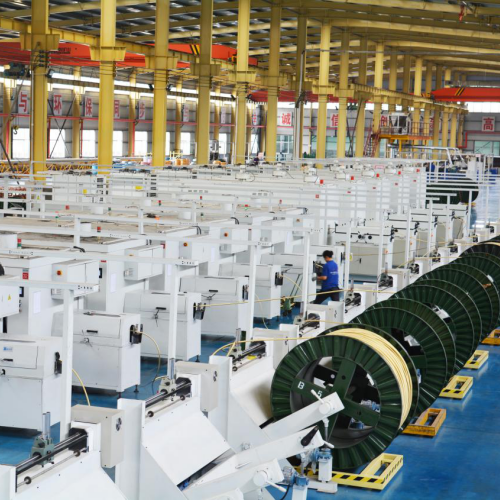
Manufacturing involves a multi-step process. Firstly, the inner tube is extruded to the desired dimensions. Subsequently, the steel wire braid is applied through a helical winding process, ensuring uniform coverage and tension. The braid is then mechanically locked in place. The outer cover is then extruded over the braided structure. Key process parameters include extrusion temperature, braid tension, curing time and temperature (for rubber compounds), and dimensional control. Strict quality control measures, including pressure testing, impulse testing, and dimensional inspections, are critical at each stage to guarantee hose integrity. Vulcanization – the cross-linking of rubber polymers – is a critical step, affecting elasticity, tensile strength, and resistance to degradation. Improper vulcanization leads to reduced performance and premature failure. Modern manufacturing facilities employ automated systems for precise control of these parameters.

Performance & Engineering
The performance of these hoses is governed by several key engineering considerations. Burst pressure, working pressure, and impulse pressure are critical specifications. Burst pressure represents the maximum pressure the hose can withstand before catastrophic failure, while working pressure is the recommended operating pressure for continuous use. Impulse pressure refers to the hose’s ability to withstand pressure surges. The steel wire braid contributes significantly to these parameters; increasing the number of braids directly increases the pressure rating. Force analysis involves calculating hoop stress (stress in the circumferential direction of the hose) and longitudinal stress (stress along the hose’s length) under pressure.
Environmental resistance is also vital. Temperature extremes, exposure to hydraulic fluids with varying chemical compositions, and exposure to ozone and UV radiation can all degrade hose performance. Material selection and cover compounds must be tailored to the specific application environment. Compliance requirements, such as those defined by SAE International (J517, J189), EN 853, and DIN EN 857, dictate minimum performance standards for hydraulic hoses. These standards specify test methods for pressure testing, impulse testing, temperature resistance, and fluid compatibility. Flexibility and bend radius are also important engineering parameters, influencing the hose’s suitability for tight spaces and dynamic applications. A smaller bend radius necessitates a more flexible hose construction.
Technical Specifications
| Parameter | Unit | Typical Value (DN20, 2 Wire Braid) | Typical Value (DN32, 4 Wire Braid) |
|---|---|---|---|
| Working Pressure | MPa | 20 | 31.5 |
| Burst Pressure | MPa | 80 | 126 |
| Inner Diameter | mm | 13 | 20 |
| Outer Diameter | mm | 19 | 28 |
| Temperature Range | °C | -40 to +100 | -40 to +100 |
| Minimum Bend Radius | mm | 4D | 6D |
Failure Mode & Maintenance
Failure modes in steel wire braided hydraulic hoses are often linked to material degradation, excessive pressure, or improper handling. Common failure modes include: 1) Fatigue cracking, caused by repeated flexing and pressure cycles, initiating at the braid wires and propagating through the rubber matrix. 2) Pinholes or ruptures in the inner tube, resulting from chemical attack by incompatible fluids or abrasion from fluid contaminants. 3) Braided wire breakage, leading to a loss of pressure containment. 4) Cover degradation (cracking, hardening) due to ozone, UV exposure, or chemical attack. 5) Fitting failures, often caused by improper crimping or corrosion. 6) Hose twist, inducing localized stress and accelerating fatigue.
Preventive maintenance is crucial for extending hose life and preventing catastrophic failures. Regular visual inspections should be conducted to identify signs of wear, damage, or leaks. Hoses should be replaced if any cracks, bulges, or abrasions are observed. Fluid cleanliness is paramount; filtration systems should be used to remove contaminants that can damage the inner tube. Proper hose routing and support are essential to prevent kinking, twisting, and abrasion. Avoid exceeding the hose’s working pressure. Crimping procedures must be performed correctly using calibrated tooling. Store hoses in a cool, dry, dark place to minimize degradation. A periodic pressure test can verify the hose's integrity. When decommissioning, ensure proper disposal of hydraulic fluid and hose materials according to environmental regulations.
Industry FAQ
Q: What is the impact of different steel wire braid configurations (2, 4, 6 wire) on hose performance?
A: Increasing the number of steel wire braids directly correlates with increased pressure rating and impulse capability. A 2-wire braid hose is suitable for lower pressure applications, while 4 and 6-wire braid hoses are designed for progressively higher pressures and more demanding conditions. However, increasing the braid count also reduces hose flexibility, requiring careful consideration of the application’s bend radius requirements.
Q: How do different inner tube materials (NBR, EPDM, FKM) affect fluid compatibility?
A: NBR offers excellent resistance to petroleum-based hydraulic fluids but is less suitable for phosphate ester fluids. EPDM is highly compatible with phosphate ester fluids and provides good resistance to water and steam, but has limited compatibility with petroleum oils. FKM (Viton) provides the broadest chemical compatibility, excelling in resistance to high temperatures, aggressive chemicals, and both petroleum and phosphate ester fluids, but is typically more expensive.
Q: What are the common causes of hose failures in high-temperature applications?
A: High temperatures accelerate the degradation of rubber compounds, leading to hardening, cracking, and loss of elasticity. Furthermore, high temperatures can reduce the strength of the steel wire braid. Selecting a hose with a high-temperature rated cover (e.g., FKM) and ensuring adequate heat dissipation are crucial for mitigating these risks.
Q: How important is proper crimping of hose fittings, and what are the potential consequences of improper crimping?
A: Proper crimping is critical for establishing a secure and leak-free connection between the hose and fittings. Under-crimping can result in blow-off failures, while over-crimping can damage the hose reinforcement, reducing its pressure rating and potentially causing premature failure. Using calibrated crimping tools and following the fitting manufacturer’s specifications are essential.
Q: What is the role of impulse testing in evaluating hose performance, and what does a higher impulse rating signify?
A: Impulse testing simulates the effects of pressure surges and pulsations on the hose. A higher impulse rating indicates the hose's ability to withstand a greater number of pressure cycles without failure. This is particularly important in applications involving reciprocating machinery, such as hydraulic pumps and cylinders, where pressure fluctuations are common.
Conclusion
Smooth cover steel wire braided hydraulic hoses are engineered components subject to stringent performance requirements. Their functionality is predicated on a sophisticated interplay of material science, precise manufacturing processes, and adherence to industry standards. Understanding the properties of the constituent materials—inner tube polymers, steel wire reinforcement, and outer cover compounds—is fundamental to selecting the appropriate hose for a given application. Proper maintenance, including regular inspections, fluid cleanliness, and correct installation practices, is critical for maximizing hose life and preventing catastrophic failures, ultimately ensuring the safe and reliable operation of hydraulic systems.
The market for these hoses, particularly from Chinese manufacturers, continues to evolve with advancements in material technology and manufacturing techniques. Future developments may focus on lighter-weight materials, improved abrasion resistance, and enhanced fluid compatibility. Continued adherence to international standards and rigorous quality control measures will remain paramount to ensure the continued performance and safety of these critical components in a wide range of industrial applications.