
Apr . 01, 2024 17:55 Back to list
china smooth cover steel wire braided hydraulic hose factory Performance Analysis
Introduction
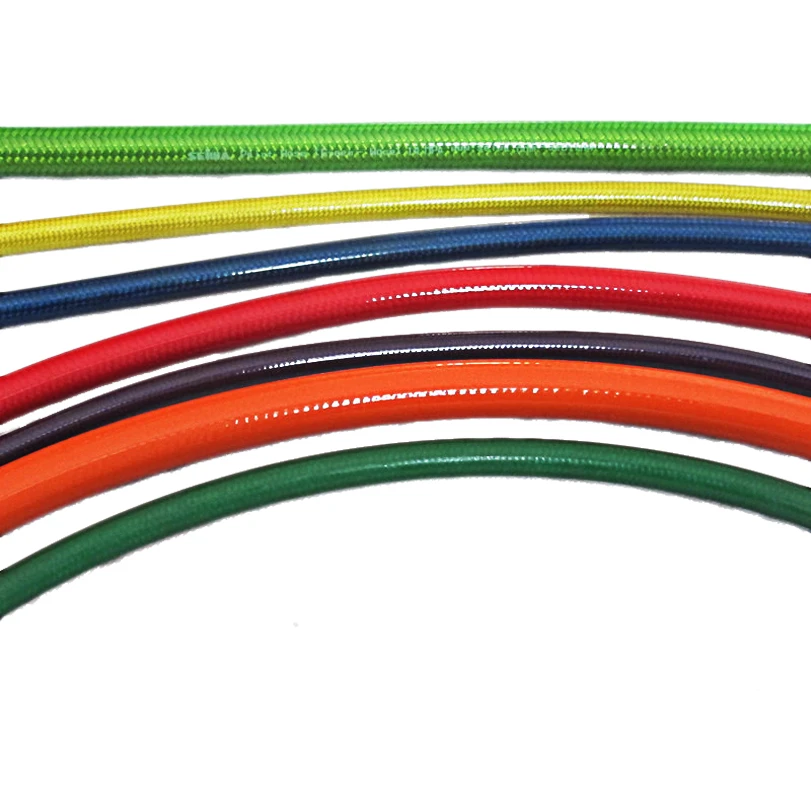
Steel wire braided hydraulic hose with a smooth cover represents a critical component in fluid power systems across numerous industries, including construction, agriculture, manufacturing, and automotive. This hose type is engineered to reliably transmit hydraulic fluid under high pressure, facilitating the operation of heavy machinery and intricate control systems. Positioned within the hydraulic system’s conveyance chain, its performance directly impacts system efficiency, safety, and longevity. Core performance characteristics center around burst pressure, working pressure, temperature range, and fluid compatibility. A smooth cover enhances abrasion resistance and facilitates ease of handling during installation and maintenance. China's manufacturing capacity offers competitively priced options, but maintaining stringent quality control and adherence to international standards are paramount concerns for end-users. This guide will provide an in-depth technical analysis of these hoses, covering materials, manufacturing, performance, failure modes, and maintenance protocols.
Material Science & Manufacturing
The construction of a steel wire braided hydraulic hose with a smooth cover involves several key material components and a multi-stage manufacturing process. The inner tube, typically composed of synthetic rubber compounds like Nitrile (NBR), Ethylene Propylene Diene Monomer (EPDM), or Chlorinated Polyethylene (CM), provides fluid resistance. NBR excels with petroleum-based fluids, EPDM is superior for phosphate ester fluids and high-temperature applications, while CPE offers excellent resistance to ozone and weathering. The reinforcement layer consists of high-tensile steel wire, typically carbon steel, spirally wound to provide pressure resistance. The wire gauge and number of braids directly influence the hose’s working and burst pressures. The outer cover utilizes a smooth rubber compound, often a blend of polyurethane or polyester-based materials, providing abrasion, ozone, and weather resistance. Key manufacturing steps include inner tube extrusion, steel wire braiding (using a helical braiding machine to precisely control pitch and coverage), outer cover extrusion, and final curing. Parameter control is vital; extrusion temperature, braiding tension, and curing time and temperature all directly impact the hose's final performance characteristics. Maintaining consistent rubber compound formulations, rigorous steel wire inspection for defects, and precise braiding parameters are critical to producing a reliable and durable hose.
Performance & Engineering
The performance of steel wire braided hydraulic hoses is governed by fundamental engineering principles relating to fluid mechanics and material strength. Burst pressure, defined as the pressure at which the hose fails catastrophically, is a primary performance indicator and is directly proportional to the steel wire’s tensile strength, the number of braids, and the inner tube’s structural integrity. Working pressure, typically specified as a fraction of the burst pressure (e.g., 1/4), represents the maximum continuous operating pressure. Hose performance is also significantly affected by temperature; elevated temperatures reduce rubber compound elasticity and tensile strength, lowering both working and burst pressures. Furthermore, fluid compatibility is crucial; incompatibility can cause swelling, softening, or degradation of the inner tube, leading to leakage and failure. Force analysis involves calculating hoop stress within the hose wall under pressure, ensuring the reinforcement layer can withstand the tensile loads. International standards, such as SAE J517, dictate testing procedures for burst pressure, impulse pressure (cyclic pressure fluctuations), and temperature range. Meeting these standards is essential for ensuring product safety and reliability. Proper hose routing, minimizing bending radius, and avoiding direct contact with abrasive surfaces are also critical engineering considerations to extend service life.
Technical Specifications
| Parameter | Unit | SAE 100R2 AT | SAE 100R6 |
|---|---|---|---|
| Working Pressure | MPa | 31.5 | 21 |
| Burst Pressure | MPa | 105 | 63 |
| Temperature Range | °C | -40 to +100 | -40 to +100 |
| Reinforcement | - | 2 Wire Braids | 6 Wire Braids |
| Inner Tube | - | NBR | NBR |
| Cover | - | Smooth NBR | Smooth NBR |
Failure Mode & Maintenance
Steel wire braided hydraulic hoses are susceptible to several failure modes in practical applications. Fatigue cracking, initiated by repeated pressure cycles and bending stresses, often occurs at the braid-to-end fitting interface. Abrasion damage to the outer cover exposes the steel wire to corrosion, compromising its strength. Internal degradation of the inner tube, caused by fluid incompatibility or aging, leads to swelling, softening, and eventual leakage. Corrosion of the steel wire, particularly in humid environments, reduces its tensile strength and can initiate fractures. Improper installation, such as excessive bending or twisting, introduces localized stresses that accelerate failure. Maintenance protocols should include regular visual inspections for abrasion, cracking, or leakage. Hose assemblies should be replaced if any signs of damage are detected. Fluid analysis can identify potential incompatibility issues. Proper storage, away from direct sunlight, ozone sources, and extreme temperatures, is also crucial for extending hose life. End fittings should be inspected for tightness and corrosion. When replacing hoses, it’s critical to use compatible fittings and ensure proper crimping to maintain the integrity of the assembly. Periodic pressure testing can also verify the integrity of the hose.
Industry FAQ
Q: What is the impact of impulse pressure on hydraulic hose life?
A: Impulse pressure, characterized by rapid pressure fluctuations, significantly reduces hose life. These fluctuations create dynamic stresses within the hose wall, accelerating fatigue cracking, especially at the connection points. Hoses rated for higher impulse pressures, often achieved through tighter braid construction and improved rubber compound formulations, are necessary for applications with substantial pressure pulsations. Regular inspection for signs of fatigue, such as localized cracking near fittings, is critical in these environments.
Q: How does fluid temperature affect the working pressure of a hydraulic hose?
A: Elevated temperatures reduce the tensile strength and elasticity of the rubber compounds used in the inner tube and cover, consequently lowering the hose’s working and burst pressures. Manufacturers typically provide derating factors for working pressure at different temperatures. Exceeding the recommended temperature limits significantly increases the risk of failure. For high-temperature applications, hoses constructed with heat-resistant rubber compounds like EPDM are essential.
Q: What are the key considerations when selecting a hose for a specific hydraulic fluid?
A: Fluid compatibility is paramount. The inner tube material must be resistant to swelling, softening, or degradation when exposed to the hydraulic fluid. Incompatibility can lead to leakage, loss of pressure, and premature hose failure. Refer to fluid resistance charts provided by hose manufacturers to ensure compatibility. Consider the fluid’s viscosity, operating temperature, and any additives present.
Q: What are the common causes of hose end fitting failure?
A: Common causes include improper crimping, corrosion, and fatigue cracking at the crimp joint. Insufficient crimping leads to slippage and leakage. Corrosion weakens the fitting material. Cyclic pressure and vibration induce fatigue cracking. Regular inspection of fittings for tightness, corrosion, and cracking is vital. Using high-quality fittings and ensuring proper crimping procedures are crucial for preventing failures.
Q: What is the significance of hose layline markings?
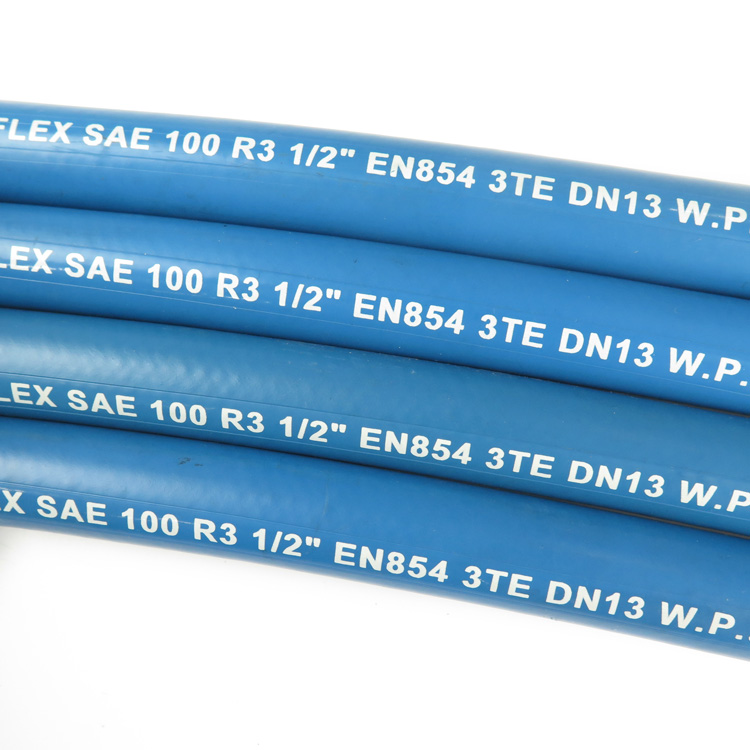
A: Layline markings provide critical traceability information, including the manufacturer’s name, hose type, manufacturing date, and working pressure. This information is essential for identifying the hose, verifying its specifications, and tracking its history. Proper documentation of layline information is vital for maintenance and warranty purposes.
Conclusion
Steel wire braided hydraulic hoses with smooth covers represent a complex interplay of material science, engineering design, and manufacturing precision. Ensuring optimal performance requires careful consideration of fluid compatibility, temperature range, pressure requirements, and environmental factors. Selecting the appropriate hose type and implementing a robust maintenance program are crucial for maximizing service life and minimizing the risk of catastrophic failure.
Adherence to established international standards (SAE, DIN, EN) and rigorous quality control procedures during manufacturing are essential for guaranteeing the reliability and safety of these critical components. As hydraulic systems continue to evolve and operate in increasingly demanding conditions, ongoing advancements in materials and manufacturing techniques will be necessary to meet the evolving needs of the industry.