
Apr . 01, 2024 17:55 Back to list
china sae100r6 factory Performance Analysis
Introduction
SAE 100R6 hose represents a critical component in hydraulic fluid power systems, defined by the Society of Automotive Engineers (SAE) standard. These hoses are engineered to convey hydraulic oil, fuel, and other fluids under high pressure in a wide array of applications, including construction machinery, agricultural equipment, and industrial manufacturing. China SAE 100R6 factories are integral to the global supply chain, offering cost-competitive manufacturing capabilities. The core performance characteristics center around burst pressure, working pressure, temperature resistance, and fluid compatibility. A primary industry pain point is maintaining consistent quality across varying manufacturing facilities, especially regarding rubber compound formulations and bonding adhesion. This guide provides a detailed technical overview of SAE 100R6 hose, covering material science, manufacturing processes, performance parameters, failure modes, and relevant industry standards. The focus will be on understanding the engineering principles that underpin hose reliability and longevity, particularly in the context of Chinese manufacturing operations.
Material Science & Manufacturing
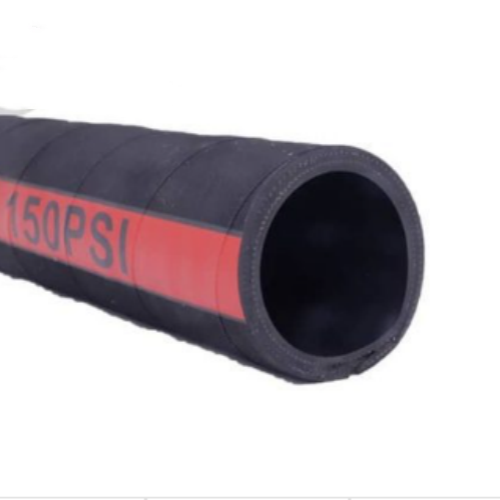
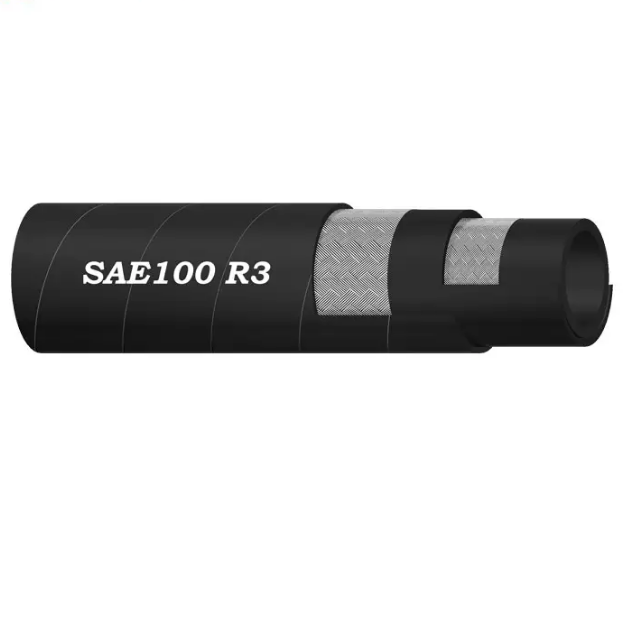
SAE 100R6 hoses are typically constructed of an inner tube, reinforcement layers, and an outer cover. The inner tube is commonly composed of synthetic rubber compounds such as nitrile (NBR) or ethylene propylene diene monomer (EPDM), chosen for their resistance to hydraulic fluids. NBR offers excellent resistance to petroleum-based oils, while EPDM provides superior heat and ozone resistance. The reinforcement layer usually consists of multiple braids of high-tensile steel wire, providing the strength necessary to withstand high pressures. Cover materials commonly include synthetic rubbers like chloroprene (CR) – commonly known as Neoprene – due to its abrasion resistance and weathering properties. Manufacturing begins with the extrusion of the inner tube and outer cover materials. Precise control of extrusion temperature, screw speed, and die geometry is crucial for achieving consistent wall thickness and surface finish. The reinforcement braids are then applied over the inner tube using automated braiding machines. Key parameters include braid angle, tension, and coverage. Following braiding, the hose assembly undergoes vulcanization – a curing process employing heat and pressure – to chemically bond the layers together. Vulcanization parameters, including temperature, time, and pressure, significantly affect the final hose properties. Post-vulcanization, hoses are subjected to stringent quality control checks, including pressure testing, dimensional inspection, and visual examination. Chinese factories must meticulously control raw material sourcing, as variations in rubber polymer molecular weight and steel wire tensile strength directly impact hose performance and reliability. Improper vulcanization can lead to incomplete bonding, creating weak points prone to failure.
Performance & Engineering
The performance of SAE 100R6 hoses is fundamentally governed by fluid mechanics and material strength. Burst pressure, the maximum pressure the hose can withstand before rupture, is a critical design parameter. This is determined by the reinforcement layer’s strength and the inner tube’s ability to contain the fluid. Working pressure, typically defined as 50% of the burst pressure, represents the safe operating limit. The hose undergoes significant stress under pressure, resulting in hoop stress within the inner tube and axial stress within the reinforcement braids. Finite element analysis (FEA) is routinely used to optimize hose construction and predict stress distribution under various loading conditions. Environmental resistance is another crucial performance aspect. Exposure to extreme temperatures, UV radiation, and corrosive fluids can degrade the rubber compounds, reducing hose life. The selection of appropriate rubber formulations is therefore paramount. Hydraulic fluid compatibility is also critical; incompatible fluids can cause swelling or degradation of the inner tube, leading to leaks and failures. Compliance requirements, outlined in SAE J517 and other relevant standards, mandate specific performance testing procedures, including burst testing, pressure impulse testing, and temperature cycling. These tests ensure that hoses meet the required safety and performance criteria. Chinese manufacturers must demonstrate adherence to these standards through independent testing and certification.
Technical Specifications
| Parameter | Unit | SAE 100R6 - 4SP | SAE 100R6 - 6SP |
|---|---|---|---|
| Working Pressure | MPa | 20.7 | 27.6 |
| Burst Pressure | MPa | 82.7 | 110.3 |
| Temperature Range | °C | -40 to +100 | -40 to +121 |
| Inner Tube Material | - | NBR | NBR |
| Reinforcement | - | 4 Steel Wire Spiral | 6 Steel Wire Spiral |
| Outer Cover Material | - | CR | CR |
Failure Mode & Maintenance
SAE 100R6 hoses are susceptible to several failure modes in practical applications. Fatigue cracking, induced by repeated pressure cycles and flexing, is a common issue, particularly near fittings. Delamination, the separation of layers, can occur due to inadequate bonding during vulcanization or degradation of the adhesive. External abrasion and impact damage can compromise the outer cover, exposing the reinforcement layer to corrosion. Internal degradation, caused by chemical attack from incompatible fluids or oxidation, weakens the inner tube. Oxidation is exacerbated by high temperatures and prolonged exposure to air. Hose twisting, which induces uneven stress distribution, is a frequent cause of premature failure. To mitigate these issues, regular inspection is crucial. Visual checks should focus on identifying cracks, abrasions, bulges, and leaks. Hoses should be replaced if any damage is detected. Proper routing and support are essential to prevent excessive flexing and abrasion. Using the correct fittings and tightening them to the specified torque are critical for ensuring leak-free connections. Periodic fluid analysis can identify potential contaminants that could cause internal degradation. In a Chinese manufacturing context, consistent implementation of quality control procedures throughout the entire production process – from raw material sourcing to final inspection – is paramount for minimizing failure rates and ensuring product reliability.
Industry FAQ
Q: What is the significance of the “SP” designation (e.g., 4SP, 6SP) in SAE 100R6 hose specifications?
A: The “SP” designation refers to “Spiral Ply”. It indicates that the reinforcement layer is composed of one or more spirals of high-tensile steel wire. The number preceding “SP” (e.g., 4, 6) denotes the number of spiral wires used. A higher number of spirals generally results in higher burst pressure and greater flexibility.
Q: How does temperature affect the performance and lifespan of an SAE 100R6 hose?
A: Temperature significantly impacts both the physical and chemical properties of the rubber compounds. High temperatures accelerate oxidation and degradation, reducing the hose’s flexibility and strength. Low temperatures can cause the rubber to become brittle and prone to cracking. Exceeding the specified temperature range can dramatically shorten hose life.
Q: What are the key considerations for selecting the appropriate inner tube material (NBR vs. EPDM)?
A: NBR is generally preferred for applications involving petroleum-based hydraulic fluids due to its superior resistance to oil swelling. EPDM is more suitable for applications involving phosphate ester fluids, water, and steam, offering better heat and ozone resistance. The fluid compatibility must be carefully considered during material selection.
Q: What role does the outer cover play in hose durability, and what materials are commonly used?
A: The outer cover provides protection against abrasion, weathering, ozone, and UV radiation. It also contributes to the hose’s overall flexibility and handling characteristics. Chloroprene (CR) – Neoprene – is the most common cover material due to its excellent abrasion resistance. Other materials, such as polyurethane, may be used for specialized applications requiring enhanced chemical resistance.
Q: What quality control measures should a buyer look for when sourcing SAE 100R6 hoses from a Chinese factory?
A: Buyers should verify that the factory has a robust quality management system certified to ISO 9001. They should also request documentation of raw material certifications, production process control records, and independent laboratory test reports demonstrating compliance with SAE J517 standards. A thorough on-site audit of the manufacturing facility is highly recommended.
Conclusion
SAE 100R6 hose is a critical hydraulic component demanding rigorous material selection, precise manufacturing control, and thorough performance validation. Maintaining consistent quality is paramount, particularly within the competitive landscape of Chinese manufacturing. Understanding the interplay between material properties, reinforcement construction, and operational parameters is essential for ensuring long-term reliability and preventing premature failures.
Ultimately, successful implementation of SAE 100R6 hose requires a holistic approach, encompassing careful design considerations, stringent quality control procedures, and proactive maintenance practices. Future trends may focus on developing more durable rubber compounds, incorporating advanced sensor technologies for real-time performance monitoring, and exploring alternative reinforcement materials to enhance strength and reduce weight.

