
Apr . 01, 2024 17:55 Back to list
china sae100r6 factories Performance Analysis

Introduction
SAE 100R6 hose represents a critical component in hydraulic systems across diverse industrial applications, including construction machinery, agricultural equipment, and manufacturing processes. China has emerged as a significant global producer of these hoses, with numerous factories specializing in their manufacture. This guide provides an in-depth technical overview of SAE 100R6 hose, focusing on the capabilities and characteristics of china sae100r6 factories. The hose is defined by its multi-layered construction, designed to withstand high pressures, temperature fluctuations, and exposure to hydraulic fluids. The primary function is the safe and efficient transmission of pressurized hydraulic fluid, enabling the operation of hydraulic actuators and motors. Core performance characteristics include burst pressure, working pressure, temperature range, and fluid compatibility. A key industry pain point revolves around consistent quality control, material traceability, and adherence to rigorous international standards, particularly given fluctuating raw material costs and the pressure to remain competitive. Manufacturers in China are increasingly focused on addressing these concerns to meet the demands of global OEM and aftermarket clients.
Material Science & Manufacturing
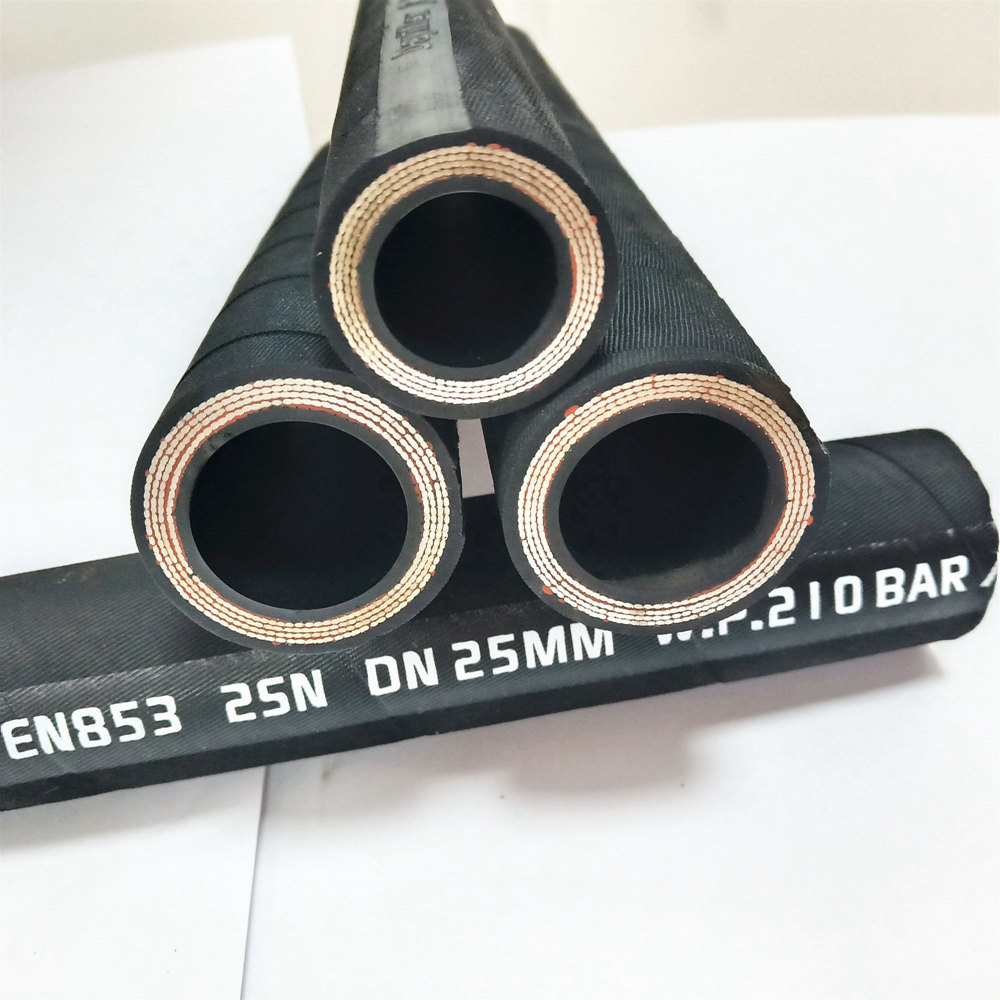
SAE 100R6 hose construction typically involves four key layers: an inner tube, reinforcement layers, and an outer cover. The inner tube is commonly composed of synthetic rubbers like nitrile (NBR), which exhibits excellent resistance to petroleum-based hydraulic fluids. NBR’s chemical composition (acrylonitrile and butadiene) dictates its fluid compatibility and temperature performance. Variations utilize other elastomers like chlorinated polyethylene (CM) for enhanced ozone and weathering resistance. The reinforcement layers, crucial for pressure containment, are typically braided with high-tensile steel wire. Steel wire selection focuses on tensile strength (typically exceeding 2000 MPa), elongation, and corrosion resistance. The number of braids directly correlates with the hose’s burst pressure rating. The outer cover, providing abrasion and environmental protection, is usually made of synthetic rubber like chloroprene (CR) or styrene-butadiene rubber (SBR). Manufacturing processes begin with extrusion of the inner tube and outer cover, followed by the precise winding of the steel wire reinforcement. Key parameter control focuses on maintaining consistent wall thickness, proper braid angle (typically 55 degrees), and uniform rubber curing through controlled temperature and pressure vulcanization. Quality control at china sae100r6 factories emphasizes material certification, dimensional accuracy, and non-destructive testing (e.g., eddy current testing for steel wire integrity).
Performance & Engineering
Performance of SAE 100R6 hose is dictated by its ability to withstand internal pressure without failure. Burst pressure, the maximum pressure the hose can endure before rupture, is a critical specification. Working pressure, typically rated at 50% of burst pressure, defines the safe operating limit. Force analysis involves calculating hoop stress within the hose wall based on internal pressure and hose dimensions using the thin-walled cylinder formula (σ = Pr/t, where σ is hoop stress, P is pressure, r is radius, and t is wall thickness). Environmental resistance is assessed through exposure testing to temperature extremes (-40°C to +100°C is typical), ozone, UV radiation, and hydraulic fluids. Compliance requirements stem from SAE International standards (J517 for hose performance, J1926 for fluid compatibility) and often include adherence to REACH and RoHS regulations regarding restricted substances. Functional implementation demands consideration of hose bend radius (to avoid kinking and fatigue), fitting compatibility (SAE J518 is common), and hose routing to minimize stress concentrations. Fatigue life is a significant engineering concern, addressed through accelerated pressure cycling tests. Factors influencing fatigue life include pressure amplitude, frequency, and temperature. Proper hose support and guarding are crucial in preventing premature failure due to abrasion and impact damage.
Technical Specifications
| Parameter | Unit | SAE 100R6 Standard Range | Typical China SAE 100R6 Factory Offering |
|---|---|---|---|
| Working Pressure | MPa | Up to 34.5 | 10 - 34.5 |
| Burst Pressure | MPa | Minimum 3x Working Pressure | 3x - 4x Working Pressure |
| Temperature Range | °C | -40 to +100 | -40 to +100 |
| Inner Tube Material | - | NBR, CM | NBR, CM, EPDM |
| Reinforcement | - | Steel Wire Braid | 1SP, 2SP, 4SP (Spiral & Braided) |
| Outer Cover Material | - | CR, SBR | CR, SBR |
Failure Mode & Maintenance
Common failure modes in SAE 100R6 hoses include burst failure due to exceeding pressure limits, fatigue cracking from repeated flexing, pinhole leaks in the inner tube from fluid degradation, and cover abrasion leading to reinforcement exposure. Failure analysis often reveals that burst failures stem from pre-existing defects in the reinforcement (e.g., broken wires) or localized thinning of the hose wall. Fatigue cracking initiates at stress concentrators, such as fitting interfaces or areas of sharp bending. Pinholes develop due to chemical attack of the inner tube material by incompatible fluids. Abrasion accelerates wear and tear on the outer cover, compromising its protective function. Maintenance strategies involve regular visual inspections for signs of damage (cracks, abrasions, leaks), pressure testing to verify integrity, and proper hose routing to minimize stress. Fluid contamination can significantly accelerate hose degradation; therefore, maintaining clean hydraulic fluid is paramount. When replacing hoses, ensure compatibility with the hydraulic fluid and operating conditions. China sae100r6 factories are increasingly implementing traceability systems to track material origins and manufacturing dates, facilitating failure analysis and product recall if necessary. Periodic replacement based on service life (typically 5-7 years) is recommended, even in the absence of visible damage.
Industry FAQ
Q: What is the typical steel wire braid construction for a 2SP hose, and how does it impact burst pressure?
A: 2SP designation indicates two spiral-wound layers of steel wire reinforcement. Each layer contributes to the hose's overall pressure-holding capacity. The greater the number of wires per layer and the higher the tensile strength of the steel, the higher the burst pressure. Typically, 2SP hoses have significantly higher burst pressures compared to 2SN (two steel wire braids) hoses, due to the spiral winding’s more efficient stress distribution.
Q: How do china sae100r6 factories ensure compliance with RoHS and REACH regulations regarding hazardous substances?
A: Reputable china sae100r6 factories employ rigorous material sourcing protocols, requiring suppliers to provide certifications confirming compliance with RoHS and REACH directives. They conduct regular testing of raw materials and finished products using methods like X-ray fluorescence (XRF) to detect restricted substances (e.g., lead, cadmium, hexavalent chromium). Documentation and traceability systems are maintained to demonstrate compliance throughout the supply chain.
Q: What is the impact of different hydraulic fluid types (e.g., petroleum-based vs. synthetic) on the lifespan of an SAE 100R6 hose?
A: The compatibility between the hydraulic fluid and the hose’s inner tube material is critical. Petroleum-based fluids are generally compatible with NBR, but synthetic fluids (e.g., phosphate esters, polyglycols) may require specialized elastomers like CM or FKM (Viton) to prevent swelling, hardening, or degradation of the inner tube. Using an incompatible fluid significantly reduces hose lifespan.
Q: What quality control measures are typically implemented in china sae100r6 factories to detect defects in the steel wire reinforcement?
A: Common quality control measures include visual inspection for surface defects (e.g., corrosion, scratches), dimensional checks for wire diameter and lay angle, tensile strength testing to verify wire properties, and non-destructive testing methods like eddy current testing to detect internal cracks or flaws. Some factories also employ ultrasonic testing for more comprehensive evaluation.
Q: What are the recommended procedures for storing SAE 100R6 hoses to prevent degradation before installation?
A: Hoses should be stored in a cool, dry, and well-ventilated area, away from direct sunlight, ozone sources (e.g., electric motors), and extreme temperatures. They should be coiled loosely and protected from physical damage. Avoid storing hoses in contact with oily or solvent-based materials. Ideally, hoses should be stored in their original packaging until ready for use.
Conclusion
SAE 100R6 hose remains a vital component in numerous hydraulic systems, and China’s manufacturing capacity plays a critical role in global supply. Understanding the material science, manufacturing processes, and performance characteristics of these hoses is essential for engineers and procurement professionals. China sae100r6 factories are increasingly focused on enhancing quality control, material traceability, and adherence to international standards to meet the evolving demands of the industry.
Future trends will likely involve the development of lighter-weight hose constructions utilizing advanced materials, improved fluid compatibility for emerging hydraulic fluids, and enhanced monitoring systems for proactive failure detection. Maintaining a rigorous approach to quality assurance, coupled with a commitment to innovation, will be key to sustaining competitiveness in the global market.