
Apr . 01, 2024 17:55 Back to list
china sae100r17 suppliers Performance Analysis
Introduction
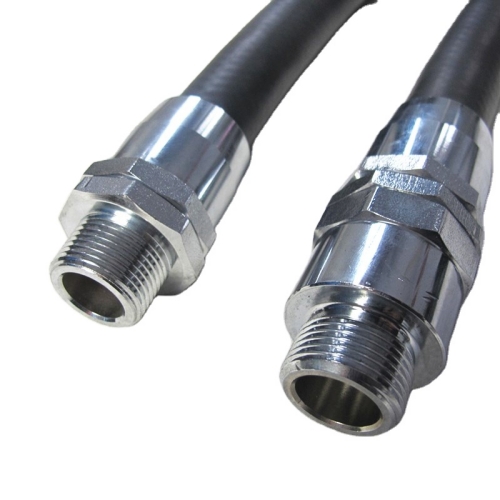
SAE 100R17 is a widely utilized standard specifying requirements for non-reinforced hydraulic hose used in hydraulic systems, typically operating at working pressures up to 2,500 psi. China's emergence as a major supplier of SAE 100R17 hoses is driven by its manufacturing capacity and competitive pricing. These hoses are critical components in various industries, including construction, agriculture, material handling, and manufacturing, facilitating the transfer of hydraulic fluid to power actuators and machinery. The core performance characteristics, governed by SAE standards, revolve around pressure retention, temperature resistance, and fluid compatibility. A key pain point for purchasers is ensuring consistent quality and adherence to SAE specifications when sourcing from numerous Chinese suppliers, necessitating robust quality control measures and thorough testing procedures. The hose construction typically consists of an inner tube, a reinforcement layer (in this case, none, differentiating it from R16 hoses), and an outer cover providing abrasion and weather resistance. The selection of appropriate materials for each layer dictates the hose’s overall performance characteristics and longevity.
Material Science & Manufacturing
The manufacturing of SAE 100R17 hoses relies on a specific combination of materials and processes. The inner tube is commonly composed of synthetic rubbers such as nitrile (NBR), known for its resistance to petroleum-based hydraulic fluids, or ethylene propylene diene monomer (EPDM), offering excellent heat and ozone resistance. NBR’s acrylonitrile content dictates its fluid resistance, with higher percentages improving oil resistance but potentially reducing low-temperature flexibility. The outer cover is typically constructed from chloroprene rubber (CR), providing resistance to abrasion, weathering, and oil. The process begins with the extrusion of the inner tube, followed by the application of the outer cover through another extrusion process. Critical parameters during extrusion include temperature control to ensure proper viscosity and dimensional accuracy, screw speed affecting material mixing and output rate, and die design impacting surface finish and hose diameter. Post-extrusion, the hose undergoes curing (vulcanization), a process involving heat and pressure to crosslink the rubber molecules, enhancing its strength, elasticity, and resistance to degradation. Precise control of curing time and temperature is essential to achieve optimal properties. Quality control involves rigorous testing of material composition, dimensions, and physical properties at each stage. Furthermore, the absence of reinforcement necessitates particularly careful control over the rubber formulations and curing processes to maintain sufficient burst pressure capabilities.
Performance & Engineering
The performance of SAE 100R17 hoses is largely defined by its pressure rating, temperature range, and fluid compatibility. Force analysis centers on the hoop stress within the hose wall when subjected to internal pressure. This stress is directly related to the hose diameter and pressure, and the material’s tensile strength must exceed this stress to prevent failure. The absence of reinforcement in R17 hoses results in lower pressure ratings compared to reinforced hoses (like R16). Environmental resistance encompasses its ability to withstand exposure to UV radiation, ozone, and temperature extremes. Prolonged exposure to UV radiation can cause degradation of the outer cover, leading to cracking and loss of protective properties. Operating temperatures should remain within the specified range (typically -40°C to +100°C) to prevent material hardening or softening, which affects flexibility and pressure resistance. Fluid compatibility is paramount; the hose materials must be resistant to swelling, degradation, or leaching when exposed to the specific hydraulic fluid used in the system. SAE J517 provides a fluid compatibility chart. Compliance requirements, dictated by SAE 100R17, include burst pressure testing (typically four times the working pressure), pressure impulse testing to assess fatigue resistance, and dimensional accuracy verification. Functional implementation necessitates proper hose routing to avoid kinking, twisting, or abrasion. Correct fittings must be used to ensure leak-free connections and compatibility with the hose material.
Technical Specifications
| Parameter | Unit | SAE 100R17 Specification | Typical China Supplier Range (Quality Varies) |
|---|---|---|---|
| Working Pressure | psi | ≤ 2,500 | 2,000 – 2,700 (depending on supplier) |
| Burst Pressure | psi | ≥ 10,000 | 8,000 – 12,000 (quality dependent) |
| Temperature Range | °C | -40 to +100 | -40 to +100 (generally consistent) |
| Inner Tube Material | - | NBR or EPDM | NBR, EPDM, SBR (lower cost alternative) |
| Outer Cover Material | - | CR | CR, SBR (lower cost alternative) |
| Hose Diameter (ID) | inches | Various (e.g., 1/4", 3/8", 1/2") | Various (typically matches SAE sizes) |
Failure Mode & Maintenance
SAE 100R17 hoses are susceptible to several failure modes. Fatigue cracking arises from repeated flexing and pressure cycling, leading to crack propagation within the rubber material. This is exacerbated by improper hose routing or excessive bending. Delamination, though less common in non-reinforced hoses, can occur if there is inadequate bonding between the inner tube and outer cover. Degradation, caused by exposure to extreme temperatures, UV radiation, or incompatible fluids, results in material hardening, cracking, or swelling. Oxidation occurs when the rubber reacts with oxygen, leading to material embrittlement and reduced flexibility. Pinholes can develop in the inner tube due to corrosion or manufacturing defects. Maintenance involves regular visual inspections for signs of cracking, abrasion, or swelling. Hoses should be replaced immediately if any damage is detected. Proper storage in a cool, dry, and dark environment can extend hose life. Avoid sharp bends and kinks during installation and operation. Periodic pressure testing can identify potential leaks or weaknesses. For cleaning, use mild soap and water; avoid harsh solvents which can degrade the rubber. Documenting hose usage and replacement schedules is vital for maintaining system reliability. Proper fitting installation, including correct torque specifications, is critical to prevent leaks and premature failure.
Industry FAQ
Q: What are the key differences between SAE 100R17 and SAE 100R16 hoses, and when would I choose one over the other?
A: The primary difference is reinforcement. SAE 100R16 hoses incorporate multiple layers of high-strength steel wire reinforcement, enabling them to withstand significantly higher working pressures (typically up to 3,000-4,000 psi) compared to the non-reinforced SAE 100R17 (up to 2,500 psi). Choose R17 for lower-pressure applications where flexibility is a priority and cost is a significant factor. R16 is selected for systems requiring higher pressures and greater robustness.
Q: How can I verify that a China-based supplier is consistently meeting SAE 100R17 specifications?
A: Implement a rigorous quality control program. This includes requesting material certificates verifying compliance with SAE standards, conducting independent third-party testing of sample hoses (burst pressure, impulse testing, dimensional accuracy), and performing on-site audits of the supplier’s manufacturing facilities. Look for suppliers with ISO 9001 certification and a proven track record.
Q: What is the impact of using an incompatible hydraulic fluid with an SAE 100R17 hose?
A: Incompatible fluids can cause swelling, softening, or degradation of the rubber materials, leading to reduced pressure resistance, decreased flexibility, and ultimately, hose failure. Consult the SAE J517 fluid compatibility chart to ensure the hose material is compatible with the intended hydraulic fluid.
Q: What are the common causes of premature failure in SAE 100R17 hoses used in outdoor applications?
A: UV radiation, ozone exposure, and temperature extremes are the primary culprits. UV radiation degrades the outer cover, leading to cracking. Ozone attacks unsaturated bonds in the rubber, causing embrittlement. Extreme temperatures can cause hardening or softening of the materials. Using hoses with UV-resistant outer covers and providing physical protection from direct sunlight can mitigate these issues.
Q: What are the recommended torque specifications for hose fittings used with SAE 100R17 hoses, and why are they important?
A: Torque specifications vary depending on the fitting type and hose size, but adhering to the manufacturer's recommendations is crucial. Under-torquing can lead to leaks, while over-torquing can damage the fittings or hose ends. Proper torque ensures a secure, leak-free connection and prevents premature failure.
Conclusion
The SAE 100R17 hydraulic hose remains a cornerstone component in numerous industrial applications, providing a cost-effective solution for lower-pressure hydraulic systems. China’s role as a major supplier presents opportunities for cost savings, but necessitates stringent quality control measures to ensure consistent adherence to SAE specifications. Understanding the material science, manufacturing processes, and potential failure modes is critical for optimizing hose performance and longevity.
The selection of appropriate materials, coupled with meticulous process control during extrusion and curing, are paramount to achieving the required pressure ratings and durability. Proactive maintenance, including regular inspections and proper storage, will further extend hose service life. Ultimately, a technically informed approach to sourcing, implementation, and maintenance of SAE 100R17 hoses is essential for maintaining operational reliability and minimizing downtime.