
Apr . 01, 2024 17:55 Back to list
china sae100r17 supplier Performance Analysis
Introduction
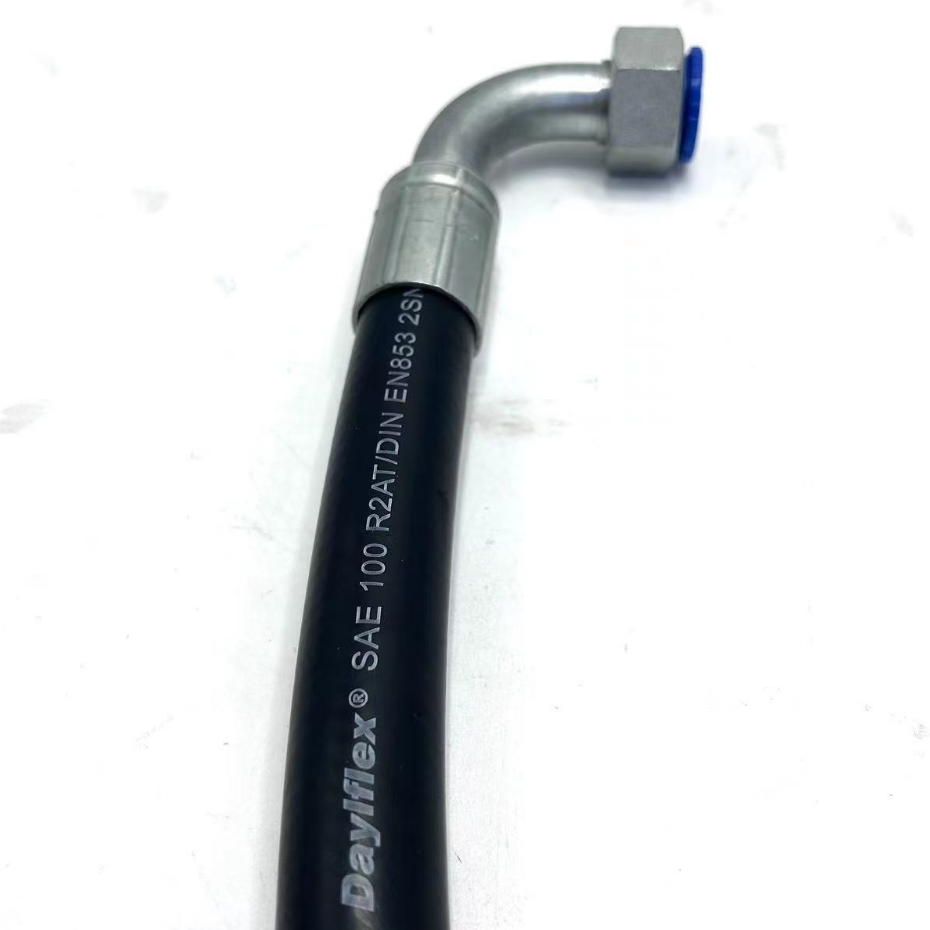
SAE 100R17 rubber hose, commonly supplied by manufacturers in China, represents a critical component in hydraulic systems across diverse industrial applications. This standard, defined by the Society of Automotive Engineers (SAE), specifies the requirements for non-reinforced hydraulic hose, typically utilized for low-pressure applications. Its position in the industrial chain is fundamental, acting as the fluid conveyance pathway between pumps, valves, and actuators. Core performance characteristics hinge on burst pressure, working pressure, temperature resistance, and fluid compatibility. A key industry pain point is ensuring consistent quality and adherence to SAE specifications, given the prevalence of counterfeit or substandard products originating from less reputable suppliers. The hose's construction primarily involves an inner tube formulated to resist specific hydraulic fluids, and an outer cover providing abrasion and environmental protection. Understanding the nuances of material selection and manufacturing processes is paramount for engineers and procurement managers.
Material Science & Manufacturing
The SAE 100R17 hose is fundamentally constructed from rubber compounds. The inner tube typically utilizes nitrile rubber (NBR), prized for its excellent resistance to petroleum-based hydraulic fluids, water, and abrasion. However, alternative elastomers like Ethylene Propylene Diene Monomer (EPDM) are employed when compatibility with phosphate ester fluids is required. The outer cover often consists of Neoprene (CR), chosen for its resistance to ozone, weathering, and abrasion. The manufacturing process begins with the compounding of these elastomers, incorporating fillers like carbon black for reinforcement and plasticizers to enhance flexibility. Extrusion is the primary forming method, forcing the rubber compound through a die to create a seamless tube. Precise temperature control during extrusion is critical to avoid scorching or incomplete curing. Following extrusion, the hose undergoes vulcanization, a chemical process using heat and pressure to crosslink the polymer chains, imparting elasticity and strength. Key parameters during vulcanization include temperature, pressure, and cure time, all impacting the final mechanical properties. Quality control checks at this stage involve dimensional accuracy, hardness testing, and tensile strength assessment. The final process includes cutting to length and applying end fittings, typically using crimping techniques to ensure a secure and leak-proof connection.

Performance & Engineering
The performance of SAE 100R17 hose is dictated by its ability to withstand internal pressure and external forces without failure. Force analysis considers both static and dynamic loading conditions, including surge pressures generated by pump operation and bending stresses resulting from hose routing. The working pressure is typically 100 PSI, with a burst pressure of 300 PSI, as specified by SAE standards. Environmental resistance is also crucial; prolonged exposure to extreme temperatures (typically -40°C to +100°C) can degrade the rubber compound, reducing its flexibility and strength. Compliance requirements extend beyond the SAE 100R17 standard itself. Regulations like REACH (Registration, Evaluation, Authorisation and Restriction of Chemicals) and RoHS (Restriction of Hazardous Substances) govern the use of certain materials in the hose construction, restricting the presence of lead, cadmium, and other harmful substances. Functional implementation requires careful consideration of hose routing to minimize bending and kinking, which can restrict flow and induce stress concentrations. Proper hose assembly, including correct fitting selection and crimping, is vital to prevent leaks and ensure long-term reliability. Failure to adhere to these engineering principles can result in premature failure, potentially leading to costly downtime and safety hazards.
Technical Specifications
| Parameter | Unit | Specification (Typical) | Test Method |
|---|---|---|---|
| Working Pressure | PSI | 100 | SAE J302 |
| Burst Pressure | PSI | 300 | SAE J302 |
| Temperature Range | °C | -40 to +100 | SAE J302 |
| Inner Tube Material | - | Nitrile Rubber (NBR) | ASTM D2000 |
| Outer Cover Material | - | Neoprene (CR) | ASTM D2000 |
| Tensile Strength (Inner Tube) | MPa | 10 | ASTM D412 |
Failure Mode & Maintenance
SAE 100R17 hoses are susceptible to several failure modes. Fatigue cracking, resulting from repeated flexing and pressure cycling, is a common occurrence, particularly near fittings. This is exacerbated by improper hose routing and excessive bending. Degradation of the rubber compound due to exposure to ozone, UV radiation, and extreme temperatures can lead to embrittlement and cracking. Oil permeation, where hydraulic fluid migrates through the inner tube, can cause swelling and weakening of the rubber. Internal abrasion, caused by particulate contamination in the hydraulic fluid, can erode the inner tube lining, leading to leaks. Oxidation, especially in the outer cover, results in surface cracking and loss of flexibility. Maintenance strategies focus on regular visual inspections for cracks, abrasions, and leaks. Hose assemblies should be replaced if any signs of damage are observed. Hydraulic fluid should be regularly filtered to remove contaminants and prevent internal abrasion. Proper hose routing and support are essential to minimize bending and stress. Avoid exposing hoses to extreme temperatures or direct sunlight for prolonged periods. Periodic pressure testing can help identify potential weaknesses before catastrophic failure occurs.
Industry FAQ
Q: What is the primary difference between SAE 100R17 and SAE 100R1AT hose?
A: The key difference lies in the reinforcement layer. SAE 100R17 is a non-reinforced hose, while SAE 100R1AT incorporates a single textile braid reinforcement. This braid significantly increases the burst pressure and working pressure capabilities of the 100R1AT hose, making it suitable for higher-pressure applications.
Q: How does temperature affect the performance of an SAE 100R17 hose?
A: Extreme temperatures, both high and low, can negatively impact performance. High temperatures can cause the rubber to soften and lose strength, increasing the risk of leaks or bursts. Low temperatures can make the hose stiff and brittle, increasing the likelihood of cracking during bending. The specified temperature range (-40°C to +100°C) should be strictly adhered to.
Q: What fluid compatibility considerations are important when selecting an SAE 100R17 hose?
A: NBR inner tubes are generally compatible with petroleum-based hydraulic fluids, but incompatibility can arise with certain fluids, such as phosphate ester fluids. In these cases, an EPDM inner tube is recommended. Always consult a fluid compatibility chart to ensure the hose material is suitable for the intended application.
Q: What is the recommended procedure for crimping fittings onto an SAE 100R17 hose?
A: Proper crimping is critical for a leak-proof seal. The crimping process must be performed using a calibrated crimping machine and the correct die set specified by the fitting manufacturer. Incorrect crimping can lead to premature failure due to loosening or over-compression of the hose.
Q: What are the typical service life expectations for an SAE 100R17 hose?
A: The service life of an SAE 100R17 hose varies depending on operating conditions, including pressure, temperature, fluid compatibility, and exposure to environmental factors. Under normal operating conditions, a service life of 5-7 years is typical, but regular inspections are essential to identify and replace hoses showing signs of wear or damage.
Conclusion
The SAE 100R17 hydraulic hose, while representing a relatively basic hose construction, remains a vital component in numerous low-pressure hydraulic systems. Its performance and longevity are intrinsically linked to the quality of materials used, precision manufacturing processes, and adherence to established industry standards. Procurement professionals must prioritize sourcing from reputable suppliers who can demonstrate consistent quality control and compliance with relevant regulations.
Future developments may focus on enhancing the material science behind these hoses, exploring alternative elastomers with improved temperature and fluid resistance. Implementing advanced monitoring systems to detect early signs of wear and tear could further extend service life and reduce the risk of catastrophic failures. A thorough understanding of these technical aspects is paramount for ensuring the reliable and safe operation of hydraulic equipment.

