
Apr . 01, 2024 17:55 Back to list
china sae100r17 manufacturers Performance Analysis

Introduction
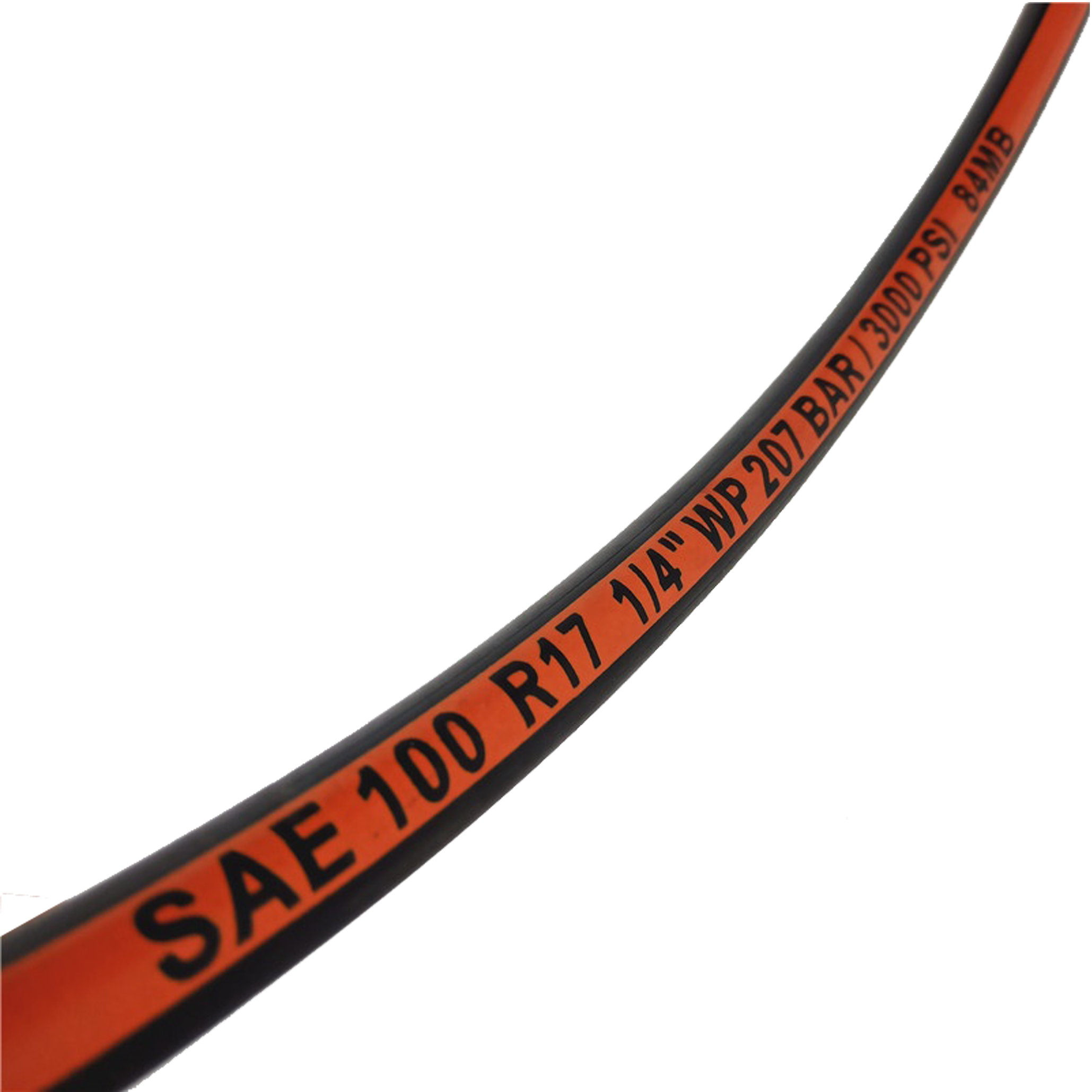
SAE 100R17 is a Society of Automotive Engineers (SAE) standard specifying requirements for non-reinforced hydraulic hose. These hoses, manufactured extensively by companies in China, are critical components in hydraulic systems across diverse industries including construction, agriculture, material handling, and manufacturing. They are commonly used for low-pressure applications involving the transfer of hydraulic fluid. The core performance characteristics – burst pressure, working pressure, and temperature range – dictate application suitability. A key challenge facing procurement managers is verifying the consistency of manufacturing quality and adherence to SAE specifications among various china sae100r17 manufacturers, due to variations in raw material sourcing, production processes, and quality control procedures. This guide provides a comprehensive technical overview of SAE 100R17 hoses, focusing on the material science, manufacturing processes, performance parameters, potential failure modes, and relevant industry standards. The inherent vulnerability of these non-reinforced hoses to kinking and external damage represents a primary concern, necessitating careful application engineering and routine inspection protocols.
Material Science & Manufacturing
SAE 100R17 hose construction typically utilizes a synthetic rubber tube – commonly nitrile rubber (NBR) due to its excellent resistance to petroleum-based hydraulic fluids. Other rubber compounds like styrene-butadiene rubber (SBR) can be used for specific fluid compatibility requirements, though NBR is dominant. The physical properties of NBR are critical, including tensile strength (typically 17-25 MPa), elongation at break (200-400%), and hardness (60-70 Shore A). Manufacturing begins with the compounding of the rubber, meticulously blending the base polymer with reinforcing fillers (carbon black is typical), plasticizers to enhance flexibility, and curing agents to initiate vulcanization. The rubber compound is then extruded through a die to form a seamless tube. This extrusion process requires precise temperature control (typically 120-160°C) and screw speed to ensure dimensional accuracy and a smooth inner surface. The tube is subsequently vulcanized – a heating process (typically 140-180°C for 30-60 minutes) that cross-links the rubber molecules, imparting elasticity and durability. Quality control at this stage involves rigorous testing of the rubber's physical properties and dimensional measurements. The outer cover, while not part of the SAE 100R17 standard itself (as it’s a non-reinforced hose), is often applied by manufacturers for abrasion resistance. This cover material is typically a woven rayon fabric saturated with a synthetic rubber compound. The consistency of saturation and weave density significantly impacts the hose's overall performance and lifespan. Parameter control during extrusion and vulcanization – particularly temperature and pressure – are paramount to achieving consistent rubber properties and preventing defects like voids or under-curing.
Performance & Engineering
The primary performance metric for SAE 100R17 hoses is burst pressure, defined as the pressure at which the hose fails catastrophically. SAE 100R17 specifies a minimum burst pressure of 400 psi (2760 kPa). Working pressure, typically one-fourth of the burst pressure, is the maximum recommended operating pressure. Engineering considerations center around stress analysis of the hose tube under internal pressure. The hoop stress (σ = PD/2t, where P is pressure, D is inner diameter, and t is wall thickness) dictates the required wall thickness to withstand the working pressure without yielding. Temperature range is also crucial; NBR-based hoses typically perform reliably between -40°C and +100°C, though performance degrades outside this range. Environmental resistance to ozone, UV radiation, and exposure to certain chemicals is a consideration, particularly for outdoor applications. The non-reinforced construction of these hoses makes them susceptible to kinking, which significantly reduces flow capacity and can induce stress concentrations leading to premature failure. Therefore, bend radius is a critical engineering parameter; a minimum bend radius of 6-8 times the hose inner diameter is generally recommended. The dynamic behavior of the hose – including fatigue life under cyclic pressure loading – must also be assessed. Compliance with SAE J518 (hydraulic hose standards) and relevant safety regulations (e.g., machine safety directives) is mandatory for manufacturers and end-users.
Technical Specifications
| Parameter | Units | SAE 100R17 Specification | Typical Value (China Manufacturers) |
|---|---|---|---|
| Inner Tube Material | - | Nitrile Rubber (NBR) | NBR/SBR Blend (Varies) |
| Burst Pressure | psi | ≥400 | 400-500 |
| Working Pressure | psi | 100 | 100-125 |
| Temperature Range | °C | -40 to +100 | -40 to +100 |
| Inner Diameter | inches | 0.25 - 1.0 | 0.25 - 1.0 |
| Wall Thickness | inches | Varies with ID | Varies with ID (±10% tolerance) |
Failure Mode & Maintenance
Common failure modes for SAE 100R17 hoses include burst failure due to exceeding the working pressure, kinking resulting in localized stress and eventual rupture, and degradation of the rubber material due to exposure to incompatible fluids or extreme temperatures. Fatigue cracking can occur under prolonged cyclic pressure loading, particularly in areas of high stress concentration (e.g., near fittings). Abrasion of the outer cover (if present) can expose the rubber tube to environmental factors, accelerating degradation. Internal corrosion can also occur if the hose is used with fluids containing water or corrosive contaminants. Failure analysis typically involves visual inspection for cracks, bulges, or discoloration, followed by microscopic examination of the fracture surface to determine the root cause. Preventative maintenance includes regular visual inspections for signs of wear or damage, checking hose connections for leaks, and ensuring that the hose is not subjected to excessive bending or twisting. Proper storage is also important; hoses should be stored in a cool, dry place away from direct sunlight and ozone sources. Replacement should be performed proactively based on a defined schedule or when any signs of damage are detected. For applications involving harsh chemicals, it's crucial to verify the hose's chemical compatibility before use. Periodic pressure testing can proactively identify weakened hoses.
Industry FAQ
Q: What is the key difference between SAE 100R17 and reinforced hydraulic hoses like SAE 100R1AT?
A: The primary difference is reinforcement. SAE 100R17 is a non-reinforced hose, relying solely on the rubber tube's strength to withstand pressure. SAE 100R1AT incorporates multiple layers of high-tensile steel wire braid embedded within the rubber, significantly increasing burst pressure and providing greater kink resistance. R1AT hoses are suitable for higher pressure applications and more demanding environments.
Q: How does the quality control process differ among various china sae100r17 manufacturers?
A: Quality control varies considerably. Reputable manufacturers employ rigorous testing protocols including burst pressure testing, impulse testing, and dimensional inspections at multiple stages of production. Less established manufacturers may have inconsistent quality control, leading to variations in burst pressure and premature failure. Independent third-party certification (e.g., ISO 9001) can provide assurance of quality standards.
Q: What fluids are compatible with a standard SAE 100R17 hose (NBR tube)?
A: NBR is generally compatible with petroleum-based hydraulic fluids, mineral oils, and aliphatic hydrocarbons. It is not compatible with phosphate ester hydraulic fluids, brake fluids (glycol-based), or ketones. Compatibility charts should always be consulted for specific fluid applications.
Q: What is the typical service life expectancy of an SAE 100R17 hose under normal operating conditions?
A: Service life varies depending on application severity and maintenance practices. Under typical conditions (moderate pressure, temperature, and fluid compatibility), a well-maintained SAE 100R17 hose can last 3-5 years. However, harsh environments, frequent bending, or exposure to incompatible fluids can significantly reduce its lifespan.
Q: What are the consequences of using a hose with a bend radius that is too small?
A: A small bend radius induces excessive stress in the hose wall, leading to kinking and a reduction in flow capacity. Repeated or severe kinking weakens the rubber, increasing the risk of premature failure (burst or cracking). Maintaining the recommended bend radius is critical for hose longevity and safety.
Conclusion
SAE 100R17 hoses represent a cost-effective solution for low-pressure hydraulic applications, but their non-reinforced construction demands careful consideration of operating parameters and maintenance practices. Variations in manufacturing quality among china sae100r17 manufacturers necessitate thorough due diligence, including verification of material certifications and adherence to SAE standards. Understanding the material science, performance limitations, and potential failure modes is crucial for ensuring safe and reliable operation.
Future development may focus on improving the durability of these hoses through advancements in rubber compound formulations and the incorporation of lightweight, external support structures. Continued emphasis on quality control and standardization is essential for maintaining the integrity of the supply chain and minimizing the risk of premature failures. Proper application engineering and preventative maintenance remain the most effective strategies for maximizing the service life and ensuring the safe operation of SAE 100R17 hydraulic hoses.