
Apr . 01, 2024 17:55 Back to list
china rubber lpg hose factories Performance Analysis
Introduction
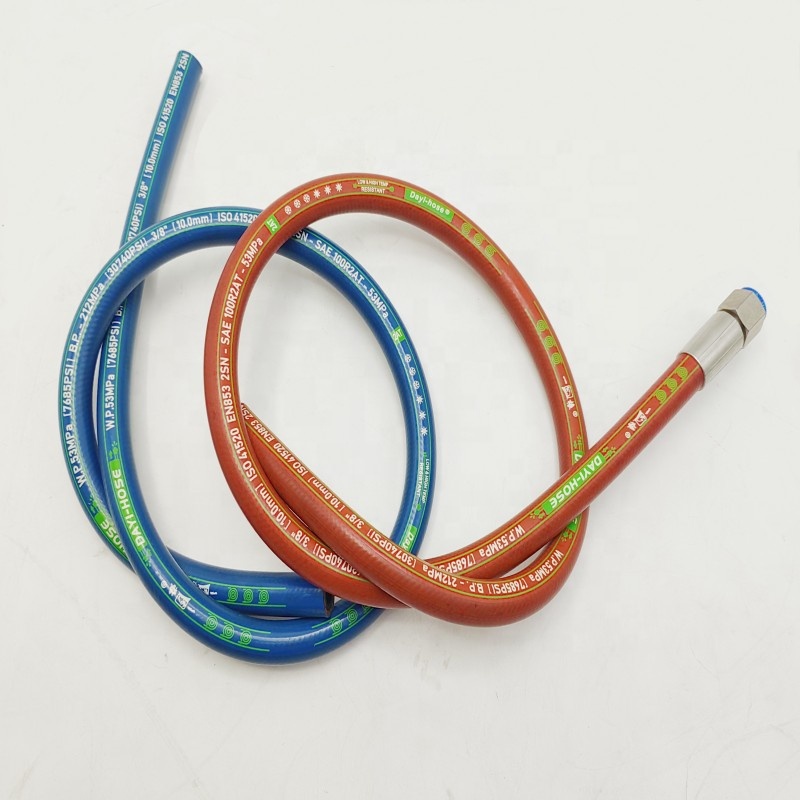
Rubber LPG hoses manufactured in China represent a significant component in the global LPG distribution infrastructure. These hoses are critical for the safe and efficient transfer of Liquefied Petroleum Gas (LPG) from storage tanks to various appliances, including residential cooking stoves, industrial burners, and vehicle fuel systems. They occupy a specific niche within the broader industrial hose sector, demanding adherence to stringent safety standards due to the flammable nature of the transported medium. Core performance characteristics revolve around pressure resistance, chemical compatibility with LPG, temperature stability, and resistance to permeation. The industry faces consistent pressures to balance cost-effectiveness with demonstrable safety and durability, particularly given evolving international regulations and increasing consumer awareness. China's manufacturing capacity provides a substantial portion of the global supply, necessitating a thorough understanding of materials, manufacturing processes, performance capabilities, and potential failure modes to ensure reliable operation and mitigate risks.
Material Science & Manufacturing
The construction of LPG hoses typically involves several key materials. The inner tube is commonly composed of a synthetic rubber compound, often a blend of Nitrile Butadiene Rubber (NBR) and Polyvinyl Chloride (PVC), selected for their excellent resistance to LPG and its components (propane and butane). NBR provides flexibility and resistance to oils, while PVC contributes to impermeability. The reinforcement layer is usually a high-tensile braided textile, typically polyester or nylon, embedded within the rubber matrix. This layer provides the hose's strength and resistance to bursting pressure. The outer cover is also typically a synthetic rubber, frequently a blend of Chloroprene Rubber (CR) – commonly known as Neoprene – or Ethylene Propylene Diene Monomer (EPDM) rubber, chosen for their resistance to weathering, ozone, and abrasion. The manufacturing process generally involves extrusion of the inner tube, followed by the application of the reinforcement braiding, and finally, the extrusion of the outer cover. Critical parameters during extrusion include temperature control, screw speed, and die design to ensure uniform material distribution and wall thickness. The braiding process requires precise tension control to guarantee consistent reinforcement density. Post-extrusion processes involve curing (vulcanization) to achieve the desired mechanical properties, followed by rigorous quality control testing, including pressure testing, leak testing, and dimensional inspection. Material compatibility testing is crucial – ensuring the rubber compounds do not react with LPG components over time, preventing degradation and maintaining sealing integrity. China's factories are increasingly employing automated extrusion lines and advanced braiding machines to improve efficiency and consistency. However, variations in raw material quality and process control remain key challenges. The use of phthalate plasticizers in PVC formulations is a growing concern due to environmental and health regulations, driving a shift towards phthalate-free alternatives.
Performance & Engineering
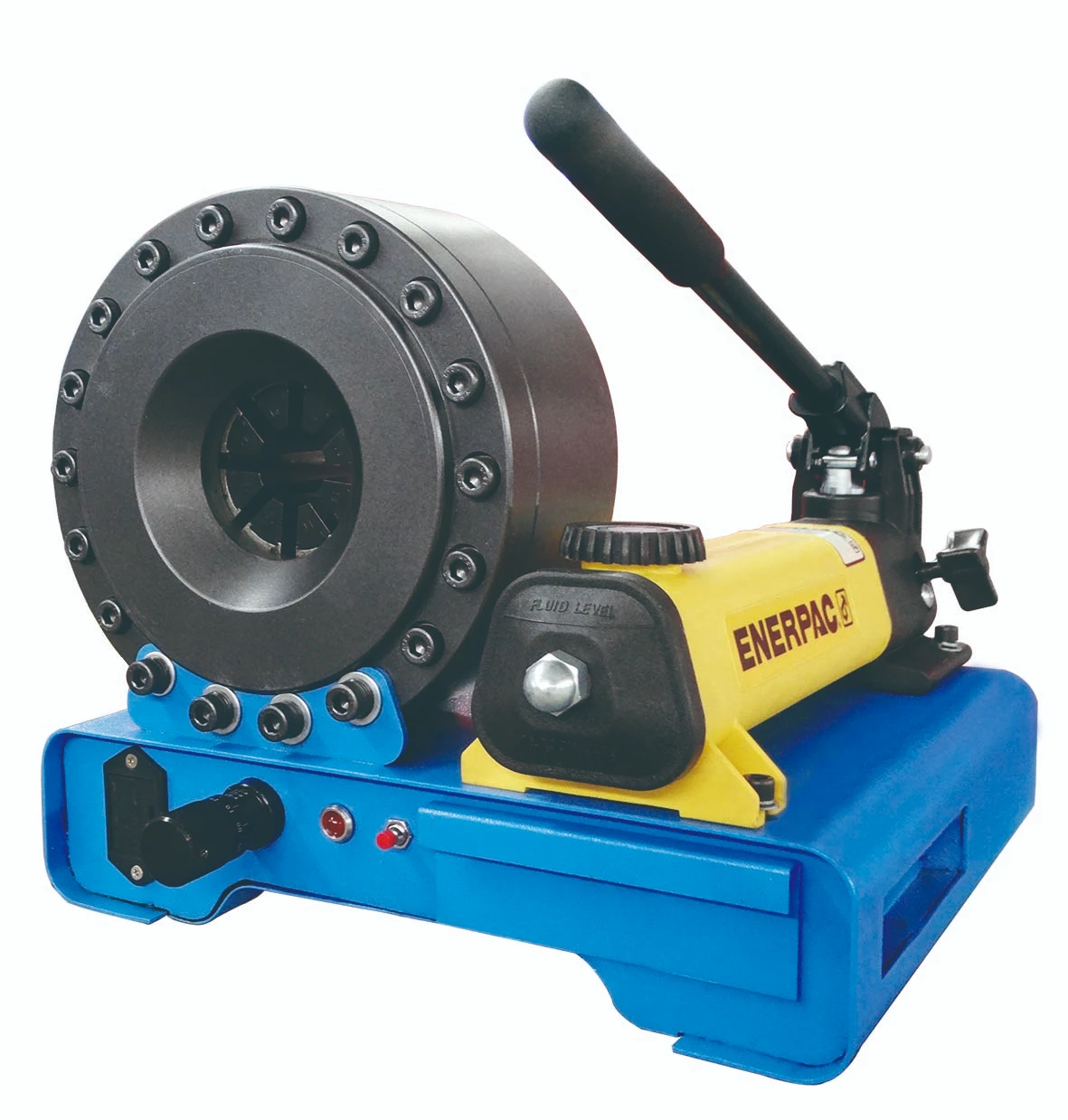
The performance of a rubber LPG hose is dictated by its ability to withstand internal pressure, external forces, and environmental conditions. Force analysis focuses on hoop stress within the hose wall, calculated using the Barlow's formula (S = PD/2t, where S is hoop stress, P is internal pressure, D is the inner diameter, and t is the wall thickness). This formula highlights the importance of maintaining sufficient wall thickness and using materials with high tensile strength. Environmental resistance is paramount; prolonged exposure to UV radiation, ozone, and temperature fluctuations can lead to material degradation and reduced performance. EPDM rubber offers superior ozone and weathering resistance compared to NBR. Permeation rates of LPG through the hose wall are a critical safety concern. High permeation can lead to gas loss and potentially flammable vapor accumulation. The barrier properties of the inner tube are crucial in minimizing permeation. Compliance requirements vary significantly by region, with standards such as EN 1763 (Europe), GB/T 28268 (China), and AGA 104 (USA) defining specific performance criteria, including pressure resistance, leakage limits, and material specifications. Hose flexibility is also a vital engineering consideration, influencing ease of installation and maneuverability. The reinforcement braid contributes significantly to the hose's bending radius and resistance to kinking. Fatigue analysis is crucial, particularly for hoses subjected to repeated flexing and pressure cycling. Proper hose assembly, including the correct crimping of end fittings, is essential to prevent leaks and ensure long-term reliability. The selection of appropriate end fittings (brass or stainless steel) and their compatibility with the hose materials are also critical engineering considerations.
Technical Specifications
| Parameter | Unit | Typical Value (China Manufactured) | Standard (EN 1763) |
|---|---|---|---|
| Working Pressure | MPa | 1.6 | 1.6 |
| Burst Pressure | MPa | 4.8 | 4.8 |
| Inner Diameter | mm | 6.3 – 19 | 6.3 - 25 |
| Outer Diameter | mm | 11 – 28 | 12 - 32 |
| LPG Permeation Rate | cm³/m²/day | < 5 | < 10 |
| Tensile Strength (Reinforcement) | MPa | 1500 | >1200 |
| Temperature Range | °C | -20 to +60 | -20 to +60 |
Failure Mode & Maintenance
Common failure modes in rubber LPG hoses include cracking due to ozone degradation, permeation-induced material swelling leading to dimensional instability, fatigue cracking resulting from repeated bending and pressure cycling, and delamination between the rubber layers and the reinforcement braid. Localized cracking often initiates at points of high stress concentration, such as around end fittings or areas subjected to abrasion. Oxidation of the rubber compounds can lead to loss of elasticity and increased brittleness. Leakage at the end fittings is frequently caused by improper crimping or corrosion of the fitting material. Failure analysis often reveals a combination of factors contributing to hose failure. Preventive maintenance is crucial for ensuring safe and reliable operation. Regular visual inspections should be conducted to identify any signs of cracking, swelling, or delamination. Hoses should be replaced immediately if any defects are observed. Avoid exposing hoses to excessive temperatures, direct sunlight, or contact with abrasive materials. Proper storage conditions, away from ozone sources and extreme temperatures, are essential. Periodic leak testing using a soapy water solution can help detect small leaks before they become major hazards. When replacing hoses, ensure that the new hose is compatible with the LPG system and that the end fittings are securely crimped. China-manufactured hoses sometimes exhibit inconsistencies in material quality, making regular inspection even more important. Consider a preventative maintenance schedule based on usage frequency and environmental conditions, and document all inspections and replacements.
Industry FAQ
Q: What is the impact of LPG composition variations on hose material selection?
A: Variations in LPG composition, specifically the propane-to-butane ratio, affect material compatibility. Higher propane content generally increases permeation rates. NBR formulations may exhibit reduced resistance to propane compared to butane. Therefore, hose manufacturers must carefully select rubber compounds based on the anticipated LPG composition for the target market. The ideal rubber compound should maintain its properties across a wide range of LPG mixtures.
Q: How do different reinforcement braid materials (polyester vs. nylon) affect hose performance?
A: Polyester braid generally offers better resistance to stretching and creep under load, leading to improved dimensional stability. Nylon braid typically has higher tensile strength and better resistance to abrasion. The choice depends on the specific application requirements. For applications requiring high burst strength, nylon braid is often preferred. For applications involving frequent bending or flexing, polyester braid may be more suitable.
Q: What quality control measures should be implemented to minimize the risk of hose failure in Chinese factories?
A: Robust quality control measures should include raw material inspection, in-process monitoring of extrusion and braiding parameters, rigorous pressure testing, leak testing, and dimensional inspection. Statistical process control (SPC) techniques can be used to identify and address process variations. Independent third-party testing and certification are also highly recommended.
Q: How does temperature affect the longevity of an LPG hose?
A: Extreme temperatures, both high and low, can significantly reduce hose lifespan. High temperatures accelerate material degradation and increase permeation rates. Low temperatures can cause the rubber to become brittle and prone to cracking. Maintaining operating temperatures within the specified range (-20°C to +60°C) is crucial for maximizing hose longevity.
Q: What are the implications of using non-phthalate plasticizers in PVC formulations for LPG hoses?
A: The shift to non-phthalate plasticizers addresses environmental and health concerns associated with phthalates. However, some non-phthalate plasticizers may exhibit lower plasticizing efficiency or compatibility with the rubber matrix, potentially affecting hose flexibility and long-term performance. Careful formulation and testing are essential to ensure that non-phthalate plasticizers provide equivalent or superior performance compared to traditional phthalates.
Conclusion
The manufacturing and application of rubber LPG hoses demand a meticulous approach to material science, process control, and quality assurance. Chinese factories play a dominant role in global supply, and maintaining consistently high standards is paramount for ensuring safety and reliability. Understanding the interplay between material properties, performance parameters, potential failure modes, and relevant international regulations is crucial for both manufacturers and end-users. The continuous evolution of materials and standards necessitates ongoing research and development to address emerging challenges and optimize hose performance.
Future trends will likely focus on the development of more durable and sustainable hose materials, improved manufacturing techniques to enhance consistency and reduce costs, and the integration of smart sensing technologies for real-time monitoring of hose condition. Furthermore, increased emphasis on traceability and supply chain transparency will be essential for building trust and mitigating risks. Successfully navigating these challenges will require collaborative efforts between manufacturers, researchers, and regulatory bodies.