
Apr . 01, 2024 17:55 Back to list
china ptfe stainless braided hose manufacturer Performance Analysis
Introduction
PTFE (Polytetrafluoroethylene) stainless steel braided hose represents a critical component in fluid transfer systems across diverse industries including chemical processing, automotive, aerospace, and food & beverage. These hoses are engineered to provide a robust and chemically inert pathway for a wide range of media, from aggressive chemicals and high-temperature fluids to sensitive pharmaceutical ingredients. Their construction, utilizing a PTFE inner core for fluid compatibility and a stainless steel braid for pressure resistance and structural integrity, positions them as a superior alternative to traditional rubber or metallic hoses in demanding applications. This guide provides an in-depth technical overview of PTFE stainless steel braided hose manufacturing, performance characteristics, failure modes, and industry standards, focusing on the capabilities and considerations for sourcing from China-based manufacturers. The core performance lies in its ability to withstand extreme temperatures (-100°C to +260°C), resist chemical attack from virtually all known substances, and maintain flexibility under high pressure. This document serves as a comprehensive resource for engineers, procurement managers, and quality control personnel.
Material Science & Manufacturing
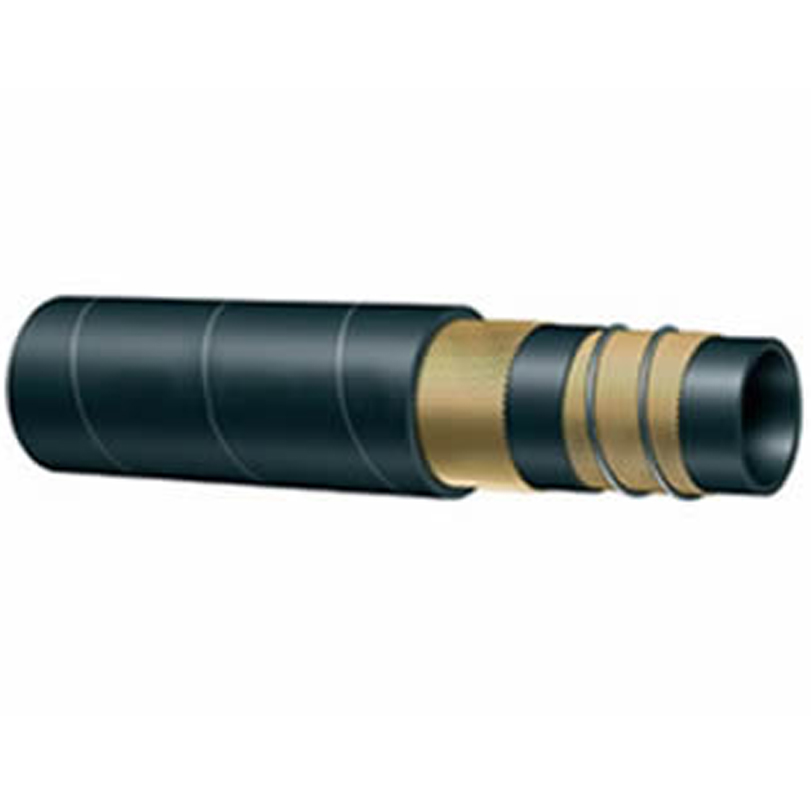
The performance of PTFE stainless steel braided hose is intrinsically linked to the properties of its constituent materials and the precision of its manufacturing processes. The inner core is typically composed of virgin PTFE resin, selected for its exceptional chemical inertness, low coefficient of friction, and wide temperature range. The specific grade of PTFE, such as modified PTFE with enhanced creep resistance, impacts the hose’s long-term performance under sustained pressure. The stainless steel braid, commonly 304 or 316 stainless steel, provides reinforcement against internal pressure, vacuum, and external abrasion. 316 stainless steel offers superior corrosion resistance, particularly in chloride-rich environments. The manufacturing process typically involves extrusion of the PTFE liner, followed by helical winding of the stainless steel braid around the core. Critical parameters include the braid angle (affecting flexibility and burst pressure), braid coverage (influencing leak resistance), and the sintering process for the PTFE liner. Sintering, performed at temperatures above the PTFE melting point but below the braid’s austenitizing temperature, fuses the PTFE particles together, creating a dense and impermeable liner. Quality control measures include dielectric strength testing of the PTFE, tensile strength testing of the braid, and burst pressure testing of the assembled hose. Adhesion between the PTFE liner and the stainless steel braid is paramount; poor adhesion can lead to delamination and failure. Specialized bonding agents are sometimes employed to enhance this adhesion. The raw material quality for both PTFE and stainless steel is crucial, with material certifications and traceability being essential for ensuring consistent performance. Variations in PTFE molecular weight and stainless steel composition directly affect the hose's mechanical and chemical properties.

Performance & Engineering
The performance of PTFE stainless steel braided hose is characterized by its resistance to chemical corrosion, high-temperature stability, and ability to withstand high pressures. Force analysis under internal pressure dictates the required braid density and material strength. The hoop stress in the PTFE liner is directly proportional to the internal pressure and the hose’s inner diameter, necessitating careful selection of liner thickness and braid reinforcement. Environmental resistance is a key consideration, especially in outdoor applications. Exposure to UV radiation can degrade the PTFE over extended periods, leading to embrittlement. Therefore, UV-stabilized PTFE formulations are recommended for such applications. Chemical compatibility is another critical aspect. While PTFE is generally inert, certain highly reactive chemicals, such as molten alkali metals, can cause swelling or degradation. The hose's performance must be evaluated based on the specific chemical being conveyed. Compliance requirements vary by industry. For food & beverage applications, the hose must meet FDA and 3-A Sanitary Standards. For pharmaceutical applications, USP Class VI certification is often required. Leak testing is a crucial quality control measure, typically performed using air or nitrogen under pressure. Hose assemblies are often terminated with crimped fittings, which must be carefully selected to match the hose material and operating conditions. The crimp strength must be sufficient to prevent slippage or leakage, but not excessive enough to damage the hose. Finite Element Analysis (FEA) is increasingly used to optimize hose design and predict performance under various loading conditions, ensuring structural integrity and long service life.
Technical Specifications
| Parameter | Unit | Standard Specification | Typical Range (China Manufacturer) |
|---|---|---|---|
| Inner Diameter | mm | ISO 1307 | 6 – 102 |
| Working Pressure | MPa | SAE J526 | Up to 420 |
| Burst Pressure | MPa | SAE J526 | Up to 1260 |
| Temperature Range | °C | ASTM D349 | -100 to +260 |
| Material (Inner Core) | - | ASTM D3149 | Virgin PTFE |
| Material (Braid) | - | ASTM A240 | SS304, SS316 |
| Chemical Resistance | - | ASTM F1527 | Excellent to most chemicals |
Failure Mode & Maintenance
PTFE stainless steel braided hose, while robust, is susceptible to several failure modes. Fatigue cracking in the stainless steel braid is a common occurrence, particularly under cyclic pressure loading. This is often initiated at points of high stress concentration, such as near crimped fittings or areas of localized deformation. Delamination of the PTFE liner from the braid can occur due to inadequate adhesion, leading to leakage. Degradation of the PTFE liner can result from exposure to high temperatures, aggressive chemicals, or UV radiation. Oxidation of the stainless steel braid, especially in chloride-rich environments, can lead to corrosion and reduced strength. Permeation of fluids through the PTFE liner can occur over time, especially with low-molecular-weight gases. Proper maintenance can significantly extend the hose’s service life. Regular visual inspections should be conducted to check for signs of cracking, abrasion, or swelling. Pressure testing should be performed periodically to verify the hose’s integrity. Avoid overbending or kinking the hose, as this can damage the PTFE liner and the stainless steel braid. Store the hose in a cool, dry place away from direct sunlight. When handling chemicals, ensure that the hose is compatible with the specific fluid being conveyed. If leakage is detected, the hose should be replaced immediately. Careful consideration of fitting selection and proper crimping procedures are essential to prevent premature failure. Implement a preventative maintenance schedule to ensure regular inspection and timely replacement of hoses.
Industry FAQ
Q: What is the impact of PTFE molecular weight on hose performance?
A: Higher molecular weight PTFE generally exhibits improved creep resistance and longer service life, especially under sustained pressure and elevated temperatures. Lower molecular weight PTFE is easier to process but can be more prone to deformation and degradation over time. Selecting a PTFE grade with an appropriate molecular weight is crucial for matching the hose to the specific application requirements.
Q: How does the stainless steel braid angle affect the hose's flexibility and burst pressure?
A: A smaller braid angle typically results in greater flexibility but lower burst pressure. A larger braid angle offers higher burst pressure but reduced flexibility. The optimal braid angle is a compromise between these two factors and depends on the hose's intended application. The braid coverage also plays a vital role; higher coverage equates to improved burst resistance.
Q: What are the key differences between SS304 and SS316 stainless steel for hose braid construction?
A: SS304 stainless steel is a general-purpose austenitic stainless steel offering good corrosion resistance. SS316 stainless steel contains molybdenum, which significantly enhances its corrosion resistance, particularly in chloride-rich environments. SS316 is preferred for applications involving seawater, chemicals, or corrosive fluids.
Q: What quality control tests are essential for ensuring the reliability of PTFE stainless steel braided hose?
A: Essential quality control tests include dielectric strength testing of the PTFE liner, tensile strength testing of the stainless steel braid, burst pressure testing of the assembled hose, leak testing under pressure, and dimensional verification. Material certifications and traceability are also crucial for verifying the quality of raw materials.
Q: What fitting types are commonly used with PTFE stainless steel braided hose, and what considerations are important?
A: Commonly used fittings include crimped fittings, compression fittings, and flanged fittings. The fitting material must be compatible with the hose material and the fluid being conveyed. Crimp fittings require careful selection of the crimp die and crimp strength to ensure a secure and leak-proof connection. Proper fitting installation is critical to prevent premature failure.
Conclusion
PTFE stainless steel braided hose represents a highly engineered solution for demanding fluid transfer applications. The combination of PTFE’s chemical inertness and the stainless steel braid’s mechanical strength provides exceptional performance characteristics, including high-pressure resistance, wide temperature compatibility, and resistance to a broad range of corrosive media. Careful selection of materials, precise manufacturing processes, and rigorous quality control are paramount to ensuring long-term reliability and safety.
Sourcing from China-based manufacturers offers cost advantages, but necessitates diligent supplier qualification and quality assurance processes. Understanding the critical parameters influencing hose performance, including PTFE molecular weight, braid angle, and material certifications, empowers engineers and procurement professionals to make informed decisions and mitigate potential risks. The continued advancement of materials science and manufacturing techniques will undoubtedly lead to further improvements in the performance and durability of PTFE stainless steel braided hose.