
Apr . 01, 2024 17:55 Back to list
china ptfe stainless braided hose factory Performance Analysis
Introduction
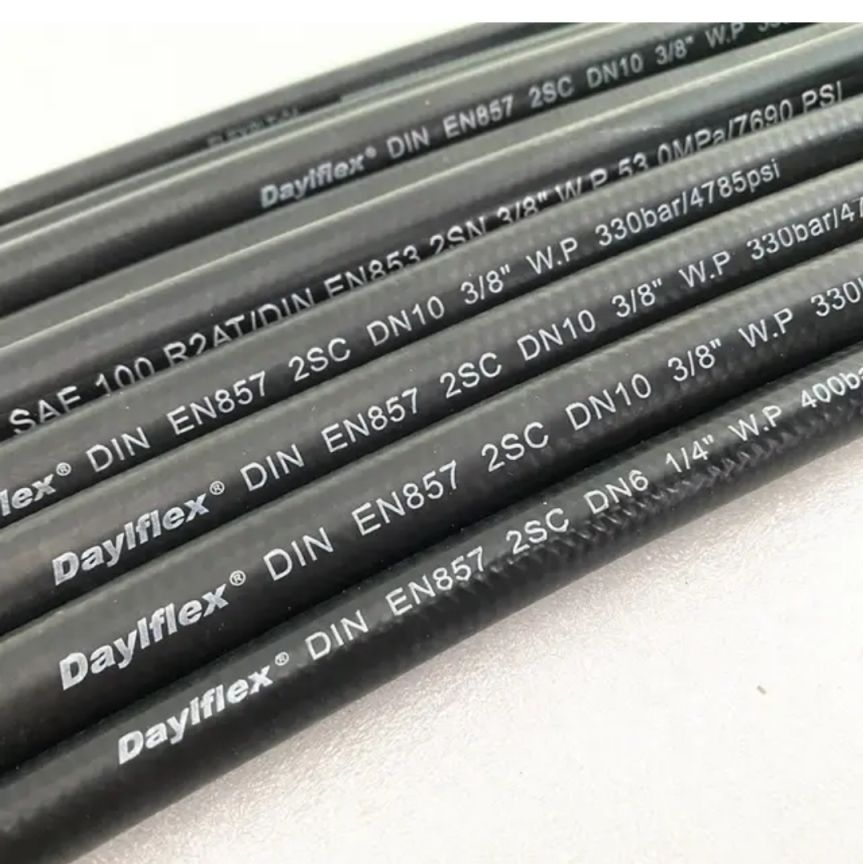
PTFE stainless steel braided hoses represent a critical component in fluid transfer systems across diverse industrial applications, including chemical processing, automotive engineering, aerospace, and pharmaceutical manufacturing. These hoses are specifically engineered to withstand high pressures, extreme temperatures, and corrosive media, exceeding the capabilities of traditional rubber or plastic alternatives. The Chinese manufacturing base has emerged as a significant global supplier of these hoses, offering competitive pricing and increasingly sophisticated production capabilities. This guide provides an in-depth technical overview of PTFE stainless steel braided hose construction, material science, performance characteristics, failure modes, and relevant industry standards, focusing on the output of factories within China. Core performance metrics center on pressure rating, temperature range, chemical compatibility, and permeation resistance, all crucial for maintaining process integrity and safety.
Material Science & Manufacturing
The construction of a PTFE stainless steel braided hose involves several key materials and processes. The inner core is typically composed of Polytetrafluoroethylene (PTFE), a fluoropolymer renowned for its exceptional chemical inertness, low coefficient of friction, and wide temperature operating range (-200°C to +260°C). PTFE’s amorphous structure provides inherent resistance to degradation from harsh chemicals, making it suitable for transferring aggressive fluids. The braiding layer consists of high-grade 304 or 316 stainless steel, providing burst strength and resistance to kinking and abrasion. Steel wire selection is paramount; 316 stainless steel exhibits superior corrosion resistance, particularly in chloride-rich environments. The manufacturing process begins with PTFE extrusion, forming a seamless inner tube. This tube is then precisely braided with the stainless steel wire using specialized braiding machines. The braid angle and density directly influence the hose’s pressure rating and flexibility. Following braiding, a protective outer layer, often silicone or fluoropolymer-coated fabric, is applied to enhance abrasion resistance and provide UV protection. Critical parameters during manufacturing include PTFE resin purity, braid coverage percentage (typically 90-95%), and precise control of the sintering temperature during PTFE tube formation. Improper sintering can lead to porosity and reduced chemical resistance. Furthermore, quality control measures must include hydrostatic testing to verify pressure integrity and dimensional inspection to ensure adherence to specifications.
Performance & Engineering
The performance of a PTFE stainless steel braided hose is governed by several engineering principles. The burst pressure rating is a critical specification, determined by the tensile strength of the stainless steel braid and the PTFE inner tube’s resistance to expansion. Force analysis dictates that the braid carries the majority of the pressure load, while the PTFE core maintains fluid containment. Environmental resistance is another key consideration. While PTFE is inherently resistant to most chemicals, prolonged exposure to certain solvents (e.g., ketones, esters) at elevated temperatures can lead to swelling and permeation. Stainless steel is susceptible to corrosion in specific environments; 316 stainless steel offers enhanced resistance against pitting and crevice corrosion in chloride-containing media. Compliance requirements vary by industry and region. For food and beverage applications, hoses must comply with FDA regulations (21 CFR 177.1550) regarding material safety. In the pharmaceutical industry, USP Class VI certification is often required. Aerospace applications necessitate adherence to stringent standards such as AS9100, ensuring traceability and quality control throughout the manufacturing process. The flexibility of the hose is determined by the braid pitch and the PTFE tube wall thickness; a tighter braid pitch provides higher pressure resistance but reduces flexibility. Thermal expansion and contraction of the PTFE core must be accounted for in system design to prevent stress on connections.
Technical Specifications
| Parameter | Unit | Typical Value (Standard Grade) | Typical Value (Premium Grade) |
|---|---|---|---|
| Working Pressure | MPa | 2.0 | 4.0 |
| Burst Pressure | MPa | 8.0 | 16.0 |
| Temperature Range | °C | -60 to +200 | -100 to +260 |
| Inner Diameter | mm | 6-50 | 6-100 |
| Braid Material | - | 304 Stainless Steel | 316 Stainless Steel |
| PTFE Resin Type | - | Virgin PTFE | Modified PTFE (Enhanced Creep Resistance) |
Failure Mode & Maintenance
PTFE stainless steel braided hoses, while robust, are susceptible to several failure modes. Fatigue cracking in the stainless steel braid is a common occurrence, particularly in applications involving high-frequency pressure pulsations. This is exacerbated by improper installation (tight bending radii) and corrosion. Permeation of fluids through the PTFE core can occur with prolonged exposure to certain solvents, leading to leakage and potential environmental contamination. Delamination between the PTFE core and the stainless steel braid can result from inadequate bonding during manufacturing or thermal cycling. Oxidation of the stainless steel braid at elevated temperatures can reduce its tensile strength and corrosion resistance. Chemical attack on the PTFE core, though rare, can occur with highly reactive chemicals. Regular inspection is crucial for preventative maintenance. This includes visual checks for cracks, abrasions, and swelling. Hydrostatic testing should be performed periodically to verify pressure integrity. Proper installation practices, including the use of appropriate fittings and avoiding sharp bends, are essential. Connections should be tightened to the manufacturer’s specifications. In case of suspected damage, the hose should be removed from service immediately and replaced. Avoid exposure to incompatible chemicals and operating the hose beyond its specified temperature and pressure limits.
Industry FAQ
Q: What is the impact of different stainless steel grades (304 vs 316) on hose lifespan in a seawater application?
A: 304 stainless steel is susceptible to pitting corrosion in seawater due to the presence of chlorides. While it may provide adequate short-term performance, 316 stainless steel, with its molybdenum content, offers significantly enhanced resistance to chloride-induced corrosion, resulting in a substantially longer lifespan in seawater applications. Selecting 316 is a critical investment for marine and offshore environments.
Q: How does the braid angle affect the hose’s resistance to kinking?
A: A smaller braid angle (steeper helix) generally provides greater resistance to kinking. However, it also reduces the hose’s flexibility. A larger braid angle offers increased flexibility but compromises kink resistance. Manufacturers balance these parameters based on the intended application; applications requiring frequent bending necessitate a larger braid angle, while high-pressure systems demand a smaller angle for structural integrity.
Q: What are the implications of using a non-virgin PTFE resin in hose construction?
A: Non-virgin PTFE resins, often recycled or containing fillers, can exhibit reduced chemical resistance, increased permeability, and decreased temperature stability compared to virgin PTFE. This can lead to premature failure, particularly in critical applications. While cost savings may be realized, the potential for process contamination and downtime outweigh the benefits in many scenarios.
Q: Can PTFE braided hoses be used for vacuum applications? What are the limitations?
A: While PTFE inherently has low permeability, PTFE braided hoses are generally not recommended for sustained high-vacuum applications. The braid structure can allow for slight gas permeation, and the hose may collapse under extreme vacuum pressure. Specialized vacuum hoses with reinforced structures are preferred for such applications.
Q: What testing procedures are typically used to verify the quality and performance of these hoses during manufacturing?
A: Typical quality control procedures include hydrostatic testing (to verify burst pressure), impulse testing (to assess fatigue life), leak testing (to confirm fluid containment), dimensional inspection (to ensure adherence to specifications), and material certification (to verify PTFE and stainless steel composition). Some manufacturers also perform permeation testing and chemical resistance testing to validate performance claims.
Conclusion
PTFE stainless steel braided hoses represent a sophisticated solution for demanding fluid transfer applications. Their exceptional chemical resistance, high-pressure capability, and temperature stability make them indispensable in industries where process integrity and safety are paramount. The Chinese manufacturing sector has become a key player in this market, providing cost-competitive products, though careful attention to material quality and manufacturing processes is crucial to ensure reliable performance.
Future developments in this area are likely to focus on enhanced PTFE formulations offering improved creep resistance and reduced permeability, as well as advancements in braiding techniques to optimize flexibility and pressure ratings. Furthermore, increased emphasis on sustainable manufacturing practices and the development of environmentally friendly PTFE alternatives will shape the future of this technology.