
Apr . 01, 2024 17:55 Back to list
china profession manufacturer hydraulic hose suppliers Performance Analysis
Introduction
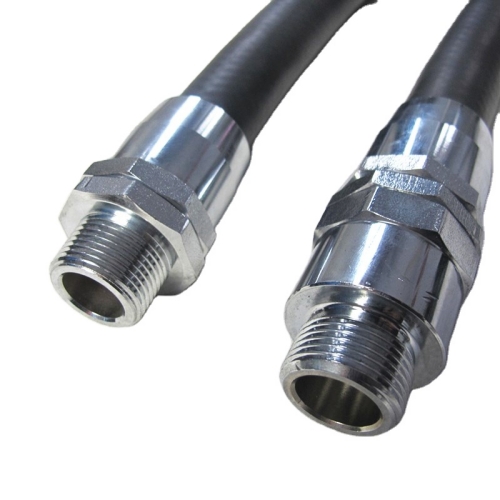
Hydraulic hoses manufactured in China represent a significant and growing segment of the global fluid power industry. These hoses are critical components in a vast array of applications, from heavy construction equipment and agricultural machinery to industrial manufacturing processes and automotive systems. China’s role as a major manufacturing hub has led to a proliferation of suppliers, offering varying levels of quality, performance, and customization. This guide provides a comprehensive technical overview of these hydraulic hoses, encompassing materials, manufacturing processes, performance characteristics, failure modes, and relevant industry standards. The core performance characteristic of a hydraulic hose is its ability to safely and reliably transmit fluid power under high pressure, resisting both internal and external forces. A key pain point for procurement managers is ensuring consistent quality and compliance with international safety regulations when sourcing from a diverse supplier base. Another critical aspect is understanding the hose’s limitations regarding fluid compatibility, temperature range, and operational lifespan to prevent costly failures and downtime.
Material Science & Manufacturing
The core material in most hydraulic hoses is synthetic rubber, with varying compositions tailored to specific application requirements. Common rubber compounds include Nitrile (NBR), offering excellent resistance to petroleum-based fluids; Ethylene Propylene Diene Monomer (EPDM), providing superior resistance to heat, ozone, and weathering; and Chloroprene (CR), balancing oil resistance with good heat and flame resistance. Reinforcement layers are crucial for withstanding internal pressure. These layers typically consist of high-tensile steel wire, spirally wound or braided, determining the hose’s pressure rating. The cover layer, often a synthetic rubber like polyurethane, provides abrasion, ozone, and weathering protection. Manufacturing processes generally involve inner tube extrusion, reinforcement layer winding or braiding, and outer cover extrusion. Key parameters during extrusion include temperature control to achieve consistent material density and dimensional accuracy. During reinforcement winding, precise tension control is vital to ensure uniform pressure distribution. Post-extrusion processes include vulcanization (curing) to crosslink the rubber molecules, enhancing strength and elasticity. Quality control at each stage is paramount, involving dimensional checks, pressure testing, and material analysis. The selection of raw materials directly impacts the hose’s performance, and inconsistencies in material quality are a frequent source of failure. Further, improper vulcanization can result in compromised rubber properties, leading to premature degradation.
Performance & Engineering
Hydraulic hose performance is governed by several critical engineering principles. Burst pressure, the maximum pressure the hose can withstand before rupture, is a fundamental parameter determined by reinforcement layer construction and rubber compound strength. Working pressure is significantly lower, typically 50-75% of burst pressure, providing a safety margin. Fatigue resistance is crucial in applications involving pulsating pressure or frequent bending. Hose bend radius is also a critical factor; exceeding the minimum bend radius can induce stress concentrations, leading to premature failure. Environmental resistance must be considered, including temperature extremes, exposure to chemicals, and UV radiation. Force analysis focuses on tensile strength, elongation at break, and modulus of elasticity of the rubber compounds. Compliance requirements, such as those specified by SAE J517 and EN 853, dictate testing procedures and performance standards. Fluid compatibility is a significant concern; incompatible fluids can cause swelling, softening, or degradation of the rubber. Furthermore, proper hose assembly with compatible fittings is essential to prevent leakage and failure. The static and dynamic behavior of the hose under pressure, including its susceptibility to axial stretch and radial expansion, must be carefully evaluated for specific applications. A major industry pain point is the lack of standardized testing procedures for dynamic applications, leading to discrepancies in reported performance data.
Technical Specifications
| Parameter | Unit | Standard Specification (SAE J517 R1AT) | Typical Chinese Manufacturer Offering (Range) |
|---|---|---|---|
| Working Pressure | MPa | 20.7 | 10 - 25 |
| Burst Pressure | MPa | 82.7 | 40 - 100 |
| Temperature Range | °C | -40 to +100 | -30 to +120 |
| Reinforcement Type | - | Single Steel Wire Braid | Single or Double Steel Wire Braid, Spiral Wire |
| Inner Tube Material | - | Nitrile Rubber (NBR) | NBR, EPDM, CR |
| Cover Material | - | Synthetic Rubber (Polyurethane) | Synthetic Rubber, Polyurethane |
Failure Mode & Maintenance
Hydraulic hose failure can occur through several mechanisms. Fatigue cracking, caused by repeated bending and pressure cycling, is a common mode, often initiated at stress concentrations near fittings. Abrasion, resulting from external contact with abrasive surfaces, can wear away the cover, exposing the reinforcement layer to corrosion. Internal corrosion, due to incompatible fluids or moisture ingress, can degrade the inner tube, leading to leaks. External corrosion, particularly of the steel reinforcement, can weaken the hose structure. Oxidation, caused by exposure to high temperatures and oxygen, can harden and embrittle the rubber. Delamination, the separation of layers within the hose structure, can occur due to poor adhesion during manufacturing or exposure to harsh chemicals. Maintenance involves regular visual inspections for signs of wear, abrasion, or leaks. Hose assemblies should be replaced if any damage is detected. Proper storage is essential; hoses should be stored in a cool, dry place away from direct sunlight and ozone sources. Fluid contamination should be minimized through the use of filters. Furthermore, correct hose routing and support are crucial to prevent excessive bending and abrasion. A recurring failure analysis challenge is differentiating between hose failure due to manufacturing defects versus operational misuse.
Industry FAQ
Q: What are the key differences between SAE J517 R1AT and EN 853 1SN hoses, and which standard offers more robust performance?
A: SAE J517 R1AT hoses typically have a single steel wire braid reinforcement, designed for moderate pressure applications. EN 853 1SN hoses also utilize a single steel wire braid but generally have tighter dimensional tolerances and potentially higher burst pressures. While both standards are widely recognized, EN 853 1SN often exhibits slightly more robust performance due to stricter manufacturing requirements and testing procedures. However, the actual performance can vary significantly depending on the manufacturer.
Q: How does the choice of inner tube material affect fluid compatibility, and what testing methods are used to verify compatibility?
A: The inner tube material dictates the hose’s resistance to degradation from specific fluids. NBR is excellent for petroleum-based fluids, while EPDM is superior for phosphate ester fluids and water-glycol mixtures. Testing typically involves immersing the inner tube in the target fluid at a specified temperature for a defined period, then assessing changes in volume, hardness, and tensile strength. Standard tests include ASTM D471 and ISO 1817.
Q: What is the impact of improper hose assembly on overall system reliability, and what are best practices for fitting attachment?
A: Improper hose assembly is a leading cause of hydraulic system failures. Incorrect fitting crimping can lead to leaks, premature failure, or complete hose rupture. Best practices include using properly sized fittings, utilizing calibrated crimping tools, and following the hose manufacturer’s recommendations for crimp specifications. Regular inspection of crimp quality is also crucial.
Q: What are the common causes of hose twist, and how can it be prevented to extend hose life?
A: Hose twist occurs when the hose is subjected to torsional forces during installation or operation. This can damage the reinforcement layer and lead to premature failure. Preventing twist involves proper hose routing, ensuring adequate slack, and avoiding the use of the hose as a means of transferring torque. Utilizing swivel fittings in certain applications can also mitigate the risk of twisting.
Q: How important is the hose cover material in protecting against external damage, and what are the trade-offs between different cover materials?
A: The hose cover provides crucial protection against abrasion, ozone, UV radiation, and chemical exposure. Polyurethane covers offer superior abrasion resistance but are generally more expensive than synthetic rubber covers. Synthetic rubber covers provide good all-around protection and are more cost-effective. The optimal cover material depends on the specific application and the anticipated exposure to external hazards.
Conclusion
Hydraulic hoses sourced from China represent a complex landscape of varying quality and performance characteristics. Understanding the underlying material science, manufacturing processes, and performance engineering principles is critical for procurement managers and engineers alike. By focusing on adherence to international standards, rigorous quality control, and proper application guidelines, it is possible to source reliable and cost-effective hydraulic hose solutions from Chinese manufacturers. The consistent assessment of burst pressure, fatigue resistance, and fluid compatibility is vital for system longevity.
Looking forward, advancements in rubber compounding and reinforcement technology will continue to improve hydraulic hose performance and durability. Furthermore, increased adoption of standardized testing procedures and enhanced quality control measures within the Chinese manufacturing sector will further enhance confidence in these products. Continued collaboration between manufacturers, engineers, and standardization bodies is essential to drive innovation and ensure the safety and reliability of hydraulic systems.