
Apr . 01, 2024 17:55 Back to list
china profession manufacturer hydraulic hose supplier Performance Analysis
Introduction
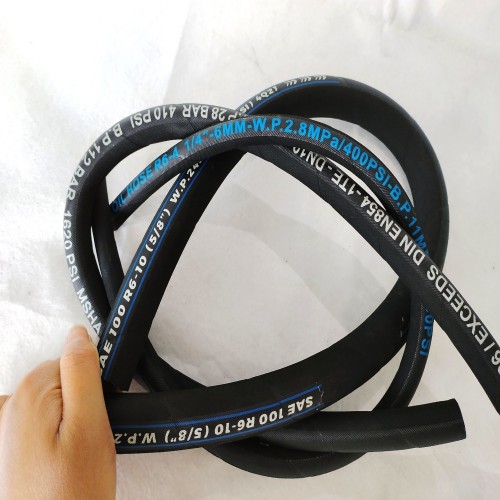
Hydraulic hoses, critical components in fluid power systems, are engineered to safely and efficiently transmit hydraulic fluid to facilitate the operation of heavy machinery across diverse industries. China’s manufacturing sector has become a globally significant supplier of these hoses, offering a range of products catering to varying pressure, temperature, and fluid compatibility requirements. This technical guide will delve into the material science, manufacturing processes, performance characteristics, failure modes, and relevant industry standards pertaining to hydraulic hoses produced by china profession manufacturer hydraulic hose supplier. The increasing demands for higher operating pressures, extended service life, and compatibility with environmentally friendly hydraulic fluids necessitate a comprehensive understanding of these critical parameters. This guide aims to provide that understanding, serving as a resource for procurement professionals, engineers, and maintenance personnel operating within demanding industrial environments. Core performance factors include burst pressure, working pressure, temperature range, fluid resistance, and resistance to external abrasion and degradation. The selection of the correct hose is paramount to ensuring system safety and reliability.
Material Science & Manufacturing
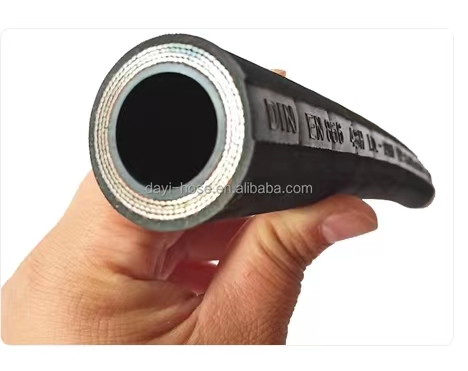
The construction of a hydraulic hose typically involves four principal layers: the inner tube, reinforcement layers, and the outer cover. The inner tube, which conveys the hydraulic fluid, is commonly composed of synthetic rubber compounds such as nitrile rubber (NBR), ethylene propylene diene monomer (EPDM), or fluorocarbon elastomers (FKM/Viton). NBR offers good resistance to petroleum-based oils, while EPDM excels in phosphate ester fluid compatibility and high-temperature performance. FKM provides exceptional resistance to a broad spectrum of chemicals and extreme temperatures, but at a higher cost. Reinforcement layers provide the structural integrity required to withstand high internal pressures. These layers commonly utilize high-tensile steel wire (single or multiple braids), spiraled steel wire, or synthetic fiber braids (aramid or polyester). The number and configuration of these layers directly influence the hose’s pressure rating. The outer cover, providing protection against abrasion, weathering, and chemical exposure, is typically formulated from synthetic rubber like chloroprene (neoprene) or polyurethane. Manufacturing processes involve extrusion of the inner tube and outer cover, followed by precise winding or braiding of the reinforcement layers. Quality control during extrusion is vital, ensuring consistent wall thickness and material homogeneity. Braiding tension and helix angle are critically controlled parameters during reinforcement application, directly impacting burst strength. Vulcanization, a cross-linking process using heat and pressure, is essential for achieving the desired physical and chemical properties of the rubber components. Parameter control during vulcanization – temperature, time, and pressure – are meticulously monitored to avoid under-curing or over- curing, both of which can compromise hose performance. Post-production testing, including burst pressure tests, impulse tests, and leak tests, are crucial for verifying compliance with industry standards.
Performance & Engineering
Hydraulic hose performance is governed by several key engineering principles. Burst pressure, the maximum pressure the hose can withstand before rupture, is a primary design consideration. Working pressure, typically specified as a percentage (e.g., 50% or 75%) of the burst pressure, represents the safe operating limit. Fatigue resistance, or the hose’s ability to withstand repeated pressure cycles, is critical in dynamic applications. Impulse testing, simulating pressure surges and spikes, evaluates this performance. The hose’s bend radius, the minimum radius to which the hose can be bent without kinking or damaging the reinforcement, must also be considered to prevent flow restriction and premature failure. Environmental factors, such as temperature extremes and exposure to UV radiation, can significantly impact hose life. High temperatures can accelerate rubber degradation, while UV radiation can cause cracking and embrittlement of the outer cover. Fluid compatibility is another crucial aspect. Incompatible fluids can cause swelling, softening, or chemical attack of the inner tube, leading to leaks and hose failure. Compliance with relevant industry standards, such as SAE J517, EN 853, and DIN EN 857, is essential for ensuring product safety and performance. These standards specify requirements for materials, construction, testing, and marking. Force analysis, particularly in situations involving hose assemblies with fittings, is vital for assessing stress concentrations and potential failure points. The correct fitting selection and crimping process are essential for maximizing hose performance and preventing blow-off failures.
Technical Specifications
| Parameter | SAE J517 (R1AT) | SAE J517 (R2AT) | EN 853 (1SN) | EN 853 (2SN) |
|---|---|---|---|---|
| Working Pressure (PSI) | 1000 | 1500 | 100 bar (1450 PSI) | 200 bar (2900 PSI) |
| Burst Pressure (PSI) | 3000 | 4500 | 300 bar (4350 PSI) | 600 bar (8700 PSI) |
| Temperature Range (°F) | -40 to 212 | -40 to 212 | -40 to 100 | -40 to 100 |
| Inner Tube | NBR | NBR | NBR | NBR |
| Reinforcement | Single Wire Braid | Double Wire Braid | Single Wire Braid | Double Wire Braid |
| Outer Cover | CPE | CPE | CPE | CPE |
Failure Mode & Maintenance
Hydraulic hose failures commonly manifest in several distinct modes. Fatigue cracking, initiated by repeated flexing and pressure cycling, typically occurs in the reinforcement layers. Delamination, the separation of layers within the hose construction, can result from inadequate bonding or exposure to harsh chemicals. Abrasion, caused by external contact with abrasive surfaces, damages the outer cover, potentially exposing the reinforcement layers to corrosion. Oxidation, particularly at elevated temperatures, degrades the rubber compounds, leading to loss of flexibility and cracking. Kinking, resulting from bending the hose beyond its minimum bend radius, restricts fluid flow and can cause localized stress concentrations. Blow-off failures, where the hose separates from the fitting, are often attributable to improper crimping or the use of incompatible fittings. To mitigate these failure modes, a proactive maintenance program is essential. Regular visual inspections should be conducted to identify signs of abrasion, cracking, or swelling. Pressure testing, using a calibrated pressure gauge, can detect leaks and assess hose integrity. Proper hose routing, avoiding sharp bends and abrasive contact, is crucial. Selecting the correct hose type for the specific application, considering fluid compatibility and operating conditions, is paramount. Replacing hoses at recommended intervals, based on operating hours or calendar time, helps prevent catastrophic failures. Promptly addressing leaks and repairing damaged hoses minimizes downtime and ensures system safety. When replacing hoses, ensure that fittings are compatible with the hose material and properly crimped according to manufacturer specifications.
Industry FAQ
Q: What is the significance of SAE J517 versus EN 853 standards for hydraulic hoses?
A: SAE J517 is a North American standard, while EN 853 is a European standard. While both define performance requirements for hydraulic hoses, there are differences in testing methodologies and specific performance criteria. EN 853 generally specifies more stringent burst pressure requirements for certain hose types. Choosing between the standards depends on the application's geographical location and specific regulatory requirements.
Q: How does the reinforcement layer material impact hose performance?
A: The reinforcement layer material dramatically influences the hose’s pressure rating and fatigue life. Steel wire braids provide high tensile strength and resistance to bursting, while synthetic fiber braids offer improved flexibility and resistance to corrosion. The number of layers also affects pressure capability; double braid hoses generally withstand higher pressures than single braid hoses.
Q: What are the common causes of hydraulic hose leaks?
A: Common causes include damage to the inner tube from incompatible fluids, degradation of rubber compounds due to aging or exposure to harsh environments, improper fitting crimping, and damage to the outer cover leading to corrosion of the reinforcement. Regular inspection and preventative maintenance are critical for identifying and addressing potential leak sources.
Q: What is the role of the outer cover in hydraulic hose durability?
A: The outer cover protects the reinforcement layers from abrasion, weathering, UV radiation, and chemical exposure. A durable outer cover significantly extends the hose’s service life, preventing premature failure due to external factors. The material of the cover (e.g. CPE, polyurethane) influences its resistance to specific environmental conditions.
Q: How do I determine the appropriate hose bend radius for my application?
A: The minimum bend radius is specified by the hose manufacturer and is crucial to avoid kinking and flow restriction. Exceeding the specified bend radius can damage the reinforcement layers and compromise hose performance. Consult the manufacturer’s data sheet or technical documentation for the recommended bend radius for each hose type.
Conclusion
Hydraulic hose selection and maintenance are critical elements in ensuring the safe and reliable operation of hydraulic systems. Understanding the material science principles, manufacturing processes, and performance characteristics of these components is essential for procurement professionals and engineers. China profession manufacturer hydraulic hose supplier provides a wide array of solutions, but proper specification and adherence to industry standards are paramount.
Continued advancements in hose technology, focusing on improved material formulations, enhanced manufacturing techniques, and smarter monitoring systems, are driving increased performance and longevity. Prioritizing preventative maintenance, employing robust inspection procedures, and selecting hoses that meet or exceed application requirements will minimize downtime, reduce operating costs, and enhance overall system safety.