
Apr . 01, 2024 17:55 Back to list
china parker hydraulic hose fittings manufacturers Performance Analysis
Introduction
Hydraulic hose fittings, particularly those manufactured to specifications comparable to Parker standards, are critical components within fluid power systems across a diverse range of industries. China has emerged as a significant global producer of these fittings, offering cost-competitive solutions for applications in construction, agriculture, mining, oil & gas, and manufacturing. This guide provides an in-depth technical overview of hydraulic hose fittings manufactured in China to standards mirroring Parker specifications, covering material science, manufacturing processes, performance characteristics, failure modes, and relevant industry standards. The core performance characteristics revolve around pressure containment, leak prevention, and resistance to environmental factors. A significant pain point within the industry is ensuring consistent material quality and adherence to dimensional tolerances, particularly when sourcing from various manufacturers. This guide aims to address these concerns by providing a detailed technical reference for engineers, procurement managers, and quality control personnel.
Material Science & Manufacturing
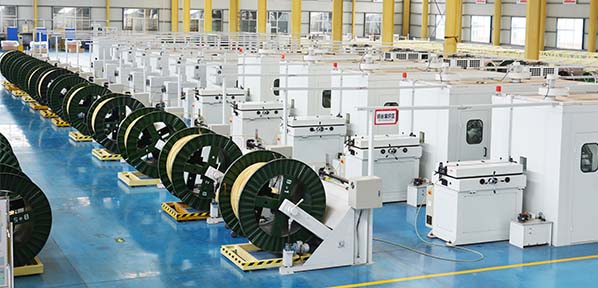
Hydraulic hose fittings typically utilize carbon steel (AISI 1045, SAE 1045), alloy steel (4140, 4340), stainless steel (304, 316), and brass (C36000) as primary raw materials. Carbon steel is favored for its strength and cost-effectiveness, but requires protective coatings to prevent corrosion. Alloy steels offer improved strength and toughness, particularly at elevated temperatures. Stainless steel provides excellent corrosion resistance, essential for harsh environments. Brass fittings are often used in low-pressure applications due to their machinability. The manufacturing process commonly involves forging, machining, heat treatment, and surface finishing. Forged fittings offer superior strength compared to machined fittings. Critical parameters during forging include die temperature, forging pressure, and cooling rate. Machining operations, such as turning, milling, and drilling, must be performed with tight tolerances to ensure proper sealing and prevent leakage. Heat treatment, including hardening and tempering, is essential to achieve the desired mechanical properties. Surface finishing, such as zinc plating, nickel plating, or phosphate coating, enhances corrosion resistance. For fittings requiring specialized profiles, cold extrusion is employed, demanding precise control of lubrication and die design. Quality control at each stage – raw material verification (chemical composition, hardness), dimensional inspection (using CMM), and non-destructive testing (NDT – ultrasonic, magnetic particle) – is paramount.
Performance & Engineering
The performance of hydraulic hose fittings is dictated by several key engineering principles. Firstly, thread integrity is critical. Threads (NPTF, BSPP, SAE J1926) must be manufactured to precise dimensions and exhibit sufficient tensile strength to withstand tightening torque and prevent galling. Secondly, pressure rating is a primary concern. Fittings are typically rated based on burst pressure (four times the working pressure) and proof pressure (two times the working pressure). These ratings are determined through hydrostatic testing. Thirdly, fatigue resistance is crucial in applications involving cyclic loading. Fittings are subjected to fatigue testing under simulated operating conditions to assess their lifespan. Fourthly, sealing performance is paramount, influenced by thread form, material compatibility with the hydraulic fluid, and surface finish. Finite Element Analysis (FEA) is routinely used to optimize fitting geometry and predict stress concentrations under load. Material selection also plays a vital role in environmental resistance. For example, fittings exposed to saltwater environments require corrosion-resistant materials like stainless steel or specialized coatings. Compliance with industry standards (SAE J518, ISO 8434-1) is non-negotiable, guaranteeing interchangeability and safety. Force analysis considers bending moments, shear stresses, and torsional loads, all impacting the fitting’s structural integrity.
Technical Specifications
| Parameter | Carbon Steel (SAE J518) | Stainless Steel (316) | Brass (C36000) | Alloy Steel (4140) |
|---|---|---|---|---|
| Material | AISI 1045 | ASTM A276 Type 316 | ASTM B16 C36000 | ASTM A297 4140 |
| Tensile Strength (MPa) | 620-860 | 550-750 | 400-550 | 760-965 |
| Yield Strength (MPa) | 310-520 | 210-310 | 205-310 | 530-730 |
| Hardness (Rockwell C) | 20-30 | 20-30 | 60-80 | 25-35 |
| Operating Temperature (°C) | -40 to 120 | -196 to 260 | -60 to 150 | -30 to 200 |
| Typical Working Pressure (MPa) | Up to 35 | Up to 70 | Up to 20 | Up to 45 |
Failure Mode & Maintenance
Common failure modes in hydraulic hose fittings include thread stripping, fatigue cracking, corrosion, and leakage. Thread stripping often results from over-tightening or using incompatible thread types. Fatigue cracking occurs due to cyclic loading and can be exacerbated by stress concentrations. Corrosion, particularly galvanic corrosion, weakens the fitting material. Leakage can stem from damaged seals, loose connections, or material defects. Failure analysis typically involves visual inspection (fractography), microscopic examination, and chemical analysis to determine the root cause. Preventative maintenance is crucial. Regularly inspect fittings for signs of corrosion, damage, or leakage. Ensure proper torque is applied during installation, following manufacturer's specifications. Utilize compatible thread sealant. Avoid exposing fittings to harsh chemicals or extreme temperatures beyond their rated limits. Periodic hydrostatic testing can identify fittings nearing the end of their service life. Replacement should occur at recommended intervals or upon detection of any signs of degradation. Lubrication of threads can prevent galling and facilitate disassembly. Addressing corrosion proactively through protective coatings or material selection is vital for long-term reliability.
Industry FAQ
Q: What is the significance of NPTF vs. BSPP threads in hydraulic fittings?
A: NPTF (National Pipe Tapered Fuel) threads utilize a dry seal achieved through interference between the tapered threads. BSPP (British Standard Parallel Pipe) threads require a sealing tape or compound to create a leak-proof connection. NPTF is predominantly used in North America, while BSPP is more common in Europe and Asia. Using the incorrect thread type can lead to leakage and system failure. Interchangeability is not guaranteed and adapting fittings is often necessary.
Q: How does material selection impact the corrosion resistance of hydraulic fittings?
A: Material selection is paramount. Carbon steel is susceptible to corrosion and requires protective coatings (zinc plating, powder coating). Stainless steel (316) offers excellent corrosion resistance in most environments. Alloy steels offer improved corrosion resistance compared to carbon steel. Brass exhibits moderate corrosion resistance. Selecting the appropriate material for the operating environment is crucial to prevent premature failure.
Q: What is the role of heat treatment in the manufacturing of hydraulic fittings?
A: Heat treatment (hardening and tempering) is essential for achieving the desired mechanical properties, such as tensile strength, yield strength, and hardness. It improves the fitting's ability to withstand high pressures and cyclic loading. Improper heat treatment can lead to brittle failure or premature wear.
Q: What testing procedures are typically employed to verify the pressure rating of hydraulic fittings?
A: Hydrostatic testing is the standard procedure. Fittings are subjected to a pressure significantly higher than their rated working pressure (typically 1.5 times) and held for a specified duration to verify their integrity. Burst testing determines the ultimate failure pressure. Non-destructive testing (ultrasonic, magnetic particle) is also used to detect internal flaws.
Q: How can I ensure the long-term reliability of hydraulic hose fittings in a harsh operating environment?
A: Utilize corrosion-resistant materials (stainless steel). Apply appropriate protective coatings. Regularly inspect fittings for signs of damage or corrosion. Ensure proper installation torque and use compatible sealants. Implement a preventative maintenance schedule that includes periodic pressure testing and replacement of worn or damaged fittings.
Conclusion
Hydraulic hose fittings manufactured in China adhering to Parker-compatible standards represent a viable and cost-effective solution for a wide range of fluid power applications. However, ensuring consistent quality requires a thorough understanding of material science, manufacturing processes, and performance characteristics. Rigorous quality control measures, adherence to international standards, and proactive maintenance are essential to maximize the lifespan and reliability of these critical components.
The ongoing evolution of material science and manufacturing techniques continues to drive improvements in fitting performance. Future trends include the development of lighter-weight materials, more durable coatings, and advanced manufacturing processes such as additive manufacturing. A focus on sustainable manufacturing practices and environmentally friendly materials will also become increasingly important. By staying abreast of these advancements, industry professionals can ensure the continued safe and efficient operation of hydraulic systems.