
Apr . 01, 2024 17:55 Back to list
china parker hydraulic hose fittings manufacturer Performance Analysis
Introduction
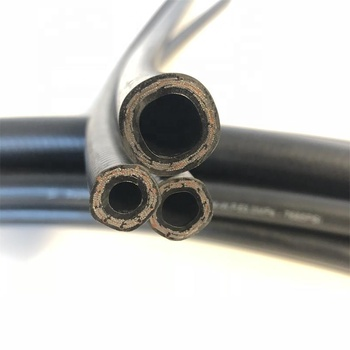
Hydraulic hose fittings, specifically those manufactured to compatibility standards approximating Parker specifications, represent a critical component within fluid power systems. These fittings facilitate secure and leak-proof connections between hoses and equipment, enabling the reliable transmission of hydraulic fluid. Their application spans a vast range of industries including construction, agriculture, mining, manufacturing, and aerospace. The manufacturing landscape has shifted significantly with China emerging as a dominant producer, offering competitive pricing alongside increasing quality control. This guide provides an in-depth technical overview of these fittings, focusing on material science, manufacturing processes, performance characteristics, failure modes, and relevant industry standards. A key pain point in the industry centers on ensuring consistent quality and adherence to stringent performance specifications, particularly when sourcing from international suppliers. Another lies in selecting the correct fitting material for compatibility with diverse hydraulic fluids, and mitigating the risks associated with corrosion and fatigue failure.
Material Science & Manufacturing
The primary materials used in the construction of hydraulic hose fittings are carbon steel, alloy steel, stainless steel (typically 304 or 316), and brass. Carbon steel offers high strength and is commonly used for general-purpose applications. Alloy steels, incorporating elements like chromium, molybdenum, and nickel, provide enhanced strength, toughness, and corrosion resistance. Stainless steel is chosen for its superior corrosion resistance, essential in harsh environments or with corrosive fluids. Brass fittings are utilized for low-pressure applications and offer good machinability.
Manufacturing processes vary depending on the fitting type and material. Forging is common for high-pressure fittings, providing superior grain structure and strength. Machining (CNC turning and milling) is employed for intricate designs and precise tolerances. Cold extrusion is used for producing large volumes of symmetrical fittings. Welding processes like Gas Tungsten Arc Welding (GTAW) and Gas Metal Arc Welding (GMAW) are utilized for joining components, demanding strict control of heat input, shielding gas composition, and filler metal selection to prevent weld defects. Surface treatments, including zinc plating, nickel plating, and passivation, are applied to enhance corrosion resistance and improve aesthetics. Critical parameters during manufacturing include dimensional accuracy (thread pitch, port diameter), surface finish (Ra value), material hardness (Rockwell C scale), and the integrity of any applied coatings. The selection of cutting tools and coolants during machining significantly impacts the surface finish and residual stress levels, influencing fatigue life. Furthermore, post-manufacturing inspection using techniques such as non-destructive testing (NDT) – including ultrasonic testing, magnetic particle inspection, and dye penetrant inspection – is crucial for identifying internal and surface flaws.
Performance & Engineering
The performance of hydraulic hose fittings is governed by several key engineering principles. Pressure ratings, typically expressed in PSI or MPa, are determined through burst pressure testing and working pressure calculations, factoring in a safety factor. Tensile strength, yield strength, and elongation are critical material properties that influence the fitting's ability to withstand applied loads. Fatigue resistance is paramount, particularly in applications involving cyclical loading. Finite Element Analysis (FEA) is often employed during the design phase to predict stress concentrations and optimize geometry for enhanced fatigue life. The thread form (NPT, BSP, JIC, ORFS) dictates the sealing mechanism and pressure capability.
Environmental resistance is another crucial consideration. Exposure to corrosive fluids, extreme temperatures, and UV radiation can degrade the fitting material. Material selection must account for the specific operating environment. For example, stainless steel is preferred for seawater applications, while specialized coatings are used for protection against aggressive chemicals. Compliance requirements, such as those stipulated by SAE J514, ISO 8434-1, and DIN 3915, define the minimum performance standards for hydraulic fittings. These standards specify testing procedures for pressure, temperature, impulse, and vibration resistance. Proper torque application is vital for achieving a leak-proof seal and preventing thread damage. Under-torquing can lead to leakage, while over-torquing can strip threads. The correct torque value is dependent on the fitting material, thread size, and lubrication.
Technical Specifications
| Parameter | Carbon Steel Fitting | Stainless Steel 304 Fitting | Brass Fitting | Alloy Steel Fitting (4140) |
|---|---|---|---|---|
| Maximum Working Pressure (PSI) | 5000 | 4000 | 3000 | 6000 |
| Tensile Strength (MPa) | 600 | 800 | 400 | 850 |
| Yield Strength (MPa) | 350 | 550 | 250 | 650 |
| Operating Temperature Range (°C) | -20 to 120 | -196 to 260 | -20 to 80 | -40 to 200 |
| Corrosion Resistance | Moderate (Requires Coating) | Excellent | Limited | Good (Dependent on Coating) |
| Common Thread Types | NPT, BSPT | NPT, BSPT, JIC | NPT, BSPT | NPT, BSPT, SAE J1926-1 |
Failure Mode & Maintenance
Hydraulic hose fitting failures typically manifest as leakage, thread stripping, cracking, or complete separation. Common failure modes include:
- Fatigue Cracking: Initiated by cyclical loading, often at thread roots or stress concentration points. Contributing factors include improper torque, vibration, and material defects.
- Corrosion: Electrochemical degradation of the fitting material due to exposure to corrosive fluids or environments. Galvanic corrosion can occur when dissimilar metals are in contact.
- Thread Stripping: Caused by over-torquing, improper thread engagement, or material degradation.
- Erosion: Wear caused by the abrasive action of fluid particles.
- Galling: Adhesive wear between mating surfaces, often occurring with stainless steel fittings.
Preventative maintenance involves regular visual inspection for leaks, corrosion, and damage. Torque checks should be performed periodically to ensure proper tightness. Lubrication of threads with an appropriate anti-seize compound can prevent galling and facilitate disassembly. If corrosion is detected, the fitting should be replaced. For applications involving cyclical loading, consider using fittings made from high-strength alloy steels with enhanced fatigue resistance. Implement a fluid filtration system to remove abrasive particles and minimize erosion. Proper storage of fittings in a clean, dry environment is essential to prevent corrosion.
Industry FAQ
Q: What is the significance of the SAE J514 standard for hydraulic hose fittings?
A: SAE J514 is a crucial standard defining the performance requirements and interchangeability of hydraulic hose fittings. It specifies dimensions, pressure ratings, and testing procedures for a wide range of fitting types. Adherence to J514 ensures compatibility between fittings from different manufacturers and provides a baseline for quality and safety.
Q: How does the choice of material impact the fitting's resistance to hydraulic fluid?
A: Different hydraulic fluids have varying chemical compositions. Carbon steel is generally compatible with mineral oils, but can be corroded by fluids containing water or glycols. Stainless steel offers broad compatibility, including resistance to corrosive fluids like phosphate ester-based fluids. Brass is suitable for low-pressure applications with non-corrosive fluids. Always consult a fluid compatibility chart to ensure the fitting material is appropriate for the specific hydraulic fluid used.
Q: What are the potential consequences of using an incorrect torque value during fitting installation?
A: Under-torquing can lead to leakage and potential system failure. Over-torquing can strip threads, damage the fitting, and create stress concentrations that promote fatigue cracking. Always refer to the manufacturer's torque specifications and use a calibrated torque wrench.
Q: What non-destructive testing (NDT) methods are commonly used to inspect hydraulic hose fittings?
A: Common NDT methods include magnetic particle inspection (MPI) for detecting surface cracks in ferrous materials, dye penetrant inspection (DPI) for detecting surface flaws in any material, and ultrasonic testing (UT) for detecting internal flaws. Radiographic testing (X-ray) can also be used, but is less common due to cost and safety considerations.
Q: What are the key differences between NPT, BSPT, and JIC thread types?
A: NPT (National Pipe Tapered) is a tapered thread commonly used in North America. BSPT (British Standard Pipe Tapered) is a similar tapered thread used internationally. JIC (Joint Industry Council) is a straight thread with an O-ring seal, offering a more reliable and leak-proof connection, particularly in high-pressure applications.
Conclusion
Hydraulic hose fittings are integral to the safe and efficient operation of fluid power systems. The selection of appropriate materials, coupled with meticulous manufacturing processes and adherence to industry standards (SAE J514, ISO standards), is critical for ensuring reliable performance and preventing costly failures. Understanding the potential failure modes – including fatigue cracking, corrosion, and thread stripping – and implementing proactive maintenance practices are essential for maximizing the service life of these components.
The growing demand for high-quality hydraulic fittings, particularly from manufacturers in China approximating Parker standards, necessitates a rigorous approach to quality control and material traceability. Continued advancements in material science, manufacturing techniques, and non-destructive testing will further enhance the performance and reliability of these critical components, contributing to increased efficiency and safety across a wide range of industrial applications.