
Apr . 01, 2024 17:55 Back to list
china parflex thermoplastic hose manufacturers Performance Analysis
Introduction
Parflex thermoplastic hose, manufactured extensively in China, represents a critical component in fluid transfer systems across a diverse range of industrial applications. These hoses are characterized by their flexibility, lightweight nature, and resistance to a broad spectrum of chemicals, making them a superior alternative to traditional rubber hoses in many scenarios. Within the industrial chain, Chinese manufacturers serve as key suppliers to sectors including agriculture, construction, chemical processing, oil & gas, and food & beverage, providing both standard and custom-engineered solutions. Core performance characteristics center around pressure rating, temperature resilience, chemical compatibility, and abrasion resistance, directly influencing system reliability and operational safety. This guide provides an in-depth technical overview of Parflex thermoplastic hoses produced by Chinese manufacturers, encompassing material science, manufacturing processes, performance parameters, failure modes, and relevant industry standards.
Material Science & Manufacturing
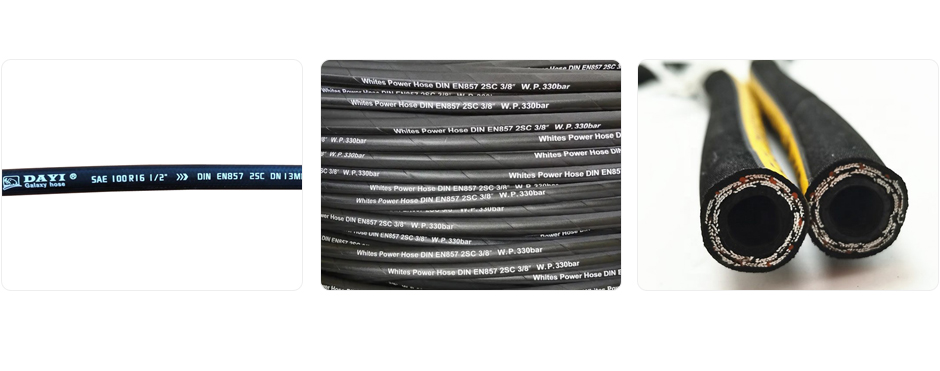
Parflex thermoplastic hoses typically utilize a multi-layered construction. The inner core is generally composed of polypropylene (PP), polyethylene (PE), or polyvinylidene fluoride (PVDF), selected based on the specific chemical compatibility requirements of the application. Polypropylene offers good resistance to acids and alkalis, polyethylene provides flexibility and low cost, while PVDF exhibits exceptional resistance to harsh chemicals, including strong acids and solvents. The reinforcement layer, crucial for pressure resistance, usually consists of multiple plies of high-tensile strength textile braiding, commonly employing polyester or nylon yarns. The outer cover is commonly thermoplastic polyurethane (TPU) or PVC, providing abrasion resistance, weather protection, and flexibility. Manufacturing begins with the extrusion of the inner core material, followed by the wrapping of the reinforcement braiding under precise tension control. Subsequent extrusion of the outer cover completes the hose structure. Critical parameters during manufacturing include extrusion temperature control to ensure consistent layer thickness and material properties, braiding angle and tension to optimize pressure containment, and vulcanization (where applicable for certain cover materials) to enhance durability and chemical resistance. Chinese manufacturers are increasingly employing automated braiding machines and advanced extrusion technologies to maintain high production volumes and quality control. Raw material sourcing focuses on established petrochemical suppliers to ensure consistent polymer properties, a key determinant of final hose performance.
Performance & Engineering
Performance of Parflex thermoplastic hoses is dictated by several key engineering principles. Burst pressure, the maximum pressure the hose can withstand before failure, is primarily determined by the reinforcement layer’s tensile strength and the core material's resistance to deformation. A rigorous burst pressure testing regime is essential, typically exceeding the working pressure by a 4:1 safety factor. Temperature resistance is crucial; exceeding the rated temperature limit can cause material degradation and reduced pressure capacity. Environmental resistance, particularly UV exposure and ozone attack, is addressed through the selection of appropriate outer cover materials and the incorporation of UV stabilizers. Fatigue resistance, or the hose's ability to withstand repeated flexing and pressure cycles, is a critical factor in applications involving dynamic fluid transfer. Finite element analysis (FEA) is frequently employed to optimize hose geometry and reinforcement layer design for maximum fatigue life. Compliance requirements vary by region and application. For food and beverage applications, hoses must comply with FDA regulations (21 CFR 177.2600) regarding food contact materials. For potable water systems, NSF/ANSI 61 certification is often required. In hydraulic systems, hoses must meet SAE J526 standards regarding pressure ratings and burst performance. Chinese manufacturers are increasingly focused on achieving international certifications to enhance their market access and demonstrate product quality.
Technical Specifications
| Parameter | Unit | Typical Value (PP Core, Polyester Braid, TPU Cover) | Testing Standard |
|---|---|---|---|
| Working Pressure | MPa | 2.0 | SAE J526 |
| Burst Pressure | MPa | 8.0 | SAE J526 |
| Temperature Range | °C | -40 to +100 | ASTM D395 |
| Inner Diameter | mm | 6 – 50 | ISO 1307 |
| Outer Diameter | mm | 10 – 63 | ISO 1307 |
| Tensile Strength (Reinforcement) | N/mm² | 1500 | ASTM D790 |
Failure Mode & Maintenance
Common failure modes in Parflex thermoplastic hoses include fatigue cracking, particularly at the hose ends due to flexing, abrasion damage to the outer cover, chemical degradation of the inner core, and permeation of fluids through the hose wall. Fatigue cracking is exacerbated by improper installation (sharp bends, twisting) and excessive pressure cycling. Abrasion damage can be mitigated by using protective sleeves or routing the hose away from abrasive surfaces. Chemical degradation occurs when the hose is exposed to fluids incompatible with the core material, leading to swelling, softening, and eventual failure. Permeation, the diffusion of fluids through the hose wall, can result in loss of fluid and environmental contamination. Regular visual inspection is crucial, looking for signs of cracking, abrasion, swelling, or discoloration. Hose ends should be checked for secure attachment and proper crimping. Preventative maintenance includes periodically reducing operating pressure, avoiding sharp bends, and storing hoses in a cool, dry environment away from direct sunlight and ozone sources. If damage is detected, the hose should be replaced immediately. Chinese manufacturers often provide detailed maintenance guidelines specific to their product lines, emphasizing the importance of proper handling and storage to maximize service life.
Industry FAQ
Q: What is the impact of different reinforcement materials (polyester vs. nylon) on hose performance?
A: Polyester braiding generally offers superior resistance to stretching and maintains dimensional stability under pressure. Nylon provides higher tensile strength and better resistance to abrasion but is more prone to elongation. The choice depends on the application; polyester is preferred for applications requiring consistent pressure performance, while nylon is suitable for environments with high abrasion risk.
Q: How do Chinese manufacturers ensure chemical compatibility of the hose core with different fluids?
A: Chinese manufacturers utilize a rigorous testing matrix, exposing core materials to a range of chemicals under varying temperature and pressure conditions. They maintain extensive compatibility charts detailing the suitability of different core materials (PP, PE, PVDF) for specific fluids. Furthermore, they often conduct custom compatibility testing for unique fluid formulations.
Q: What are the key considerations when selecting a hose for high-temperature applications?
A: Core material and outer cover selection are paramount. PTFE (Teflon) offers exceptional high-temperature resistance but is significantly more expensive. TPU covers generally outperform PVC in high-temperature environments. It's also crucial to derate the working pressure at elevated temperatures, as the hose's pressure capacity decreases with increasing temperature.
Q: What quality control measures are typically implemented during the braiding process?
A: Precise tension control of the braiding yarns is critical. Chinese manufacturers employ automated braiding machines with real-time tension monitoring systems. Regular inspection of the braid angle and coverage is also conducted to ensure uniform reinforcement distribution. Burst pressure testing of finished hoses verifies the effectiveness of the braiding process.
Q: What certifications are commonly held by reputable Chinese Parflex hose manufacturers?
A: Common certifications include ISO 9001 (quality management system), ISO 14001 (environmental management system), REACH compliance (chemical registration), RoHS compliance (restriction of hazardous substances), and specific application certifications such as FDA 21 CFR 177.2600 for food-grade hoses and NSF/ANSI 61 for potable water.
Conclusion
Parflex thermoplastic hoses from Chinese manufacturers represent a robust and cost-effective solution for a wide range of fluid transfer applications. The key to optimal performance lies in understanding the interplay between material science, manufacturing processes, and environmental factors. Proper material selection, meticulous quality control, and adherence to international standards are crucial for ensuring long-term reliability and safety.
The ongoing development of new polymer formulations and manufacturing technologies within the Chinese manufacturing sector continues to enhance the performance characteristics of these hoses, expanding their applicability to increasingly demanding environments. Future trends will likely focus on developing more sustainable materials and reducing the environmental impact of hose production and disposal. Continued investment in R&D and adherence to stringent quality standards will solidify China's position as a leading global supplier of Parflex thermoplastic hoses.