
Apr . 01, 2024 17:55 Back to list
china parflex thermoplastic hose manufacturer Performance Analysis
Introduction
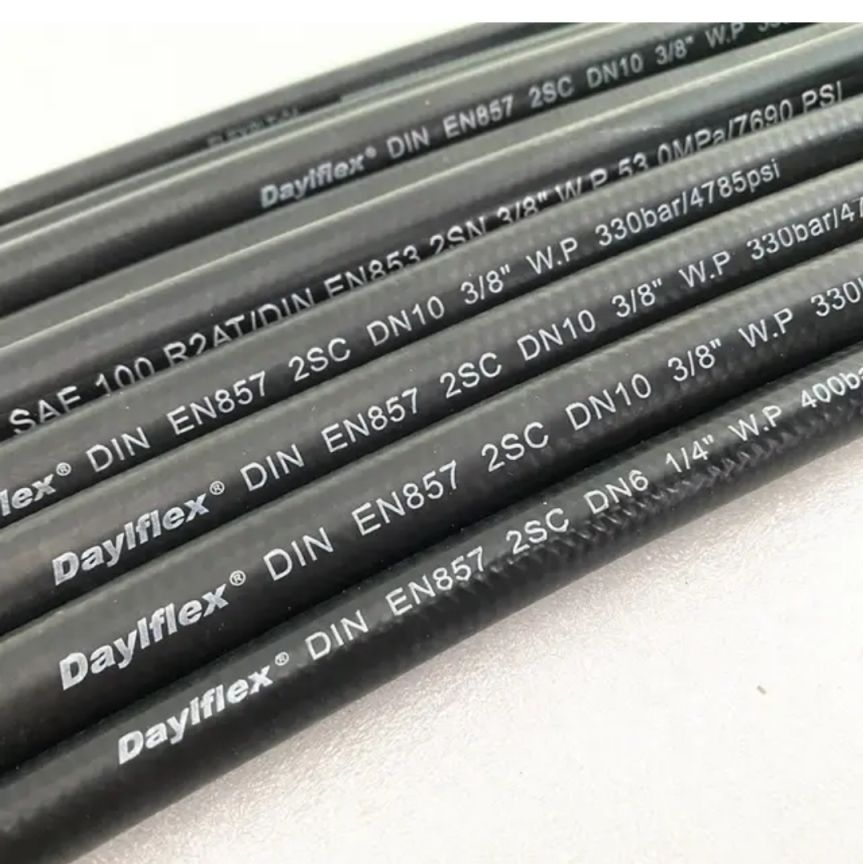
Parflex thermoplastic hose, manufactured in China by specialized producers, represents a crucial component in fluid transfer systems across a diverse range of industrial applications. These hoses, distinguished by their flexible nature and resistance to a variety of chemicals and temperatures, occupy a significant position within the industrial supply chain, bridging the gap between fluid sources and points of application. The core performance characteristics center around maintaining pressure integrity, ensuring chemical compatibility, and providing long-term durability in demanding operational environments. A key industry pain point is consistently achieving reliable performance across diverse chemical exposures and temperature fluctuations. Chinese manufacturers have become increasingly important in meeting global demand due to competitive pricing and growing manufacturing capabilities, but consistent quality control and adherence to international standards remain paramount concerns for procurement professionals. This guide will provide an in-depth analysis of the materials, manufacturing processes, performance attributes, potential failure modes, and industry standards related to Chinese-manufactured Parflex thermoplastic hose.
Material Science & Manufacturing
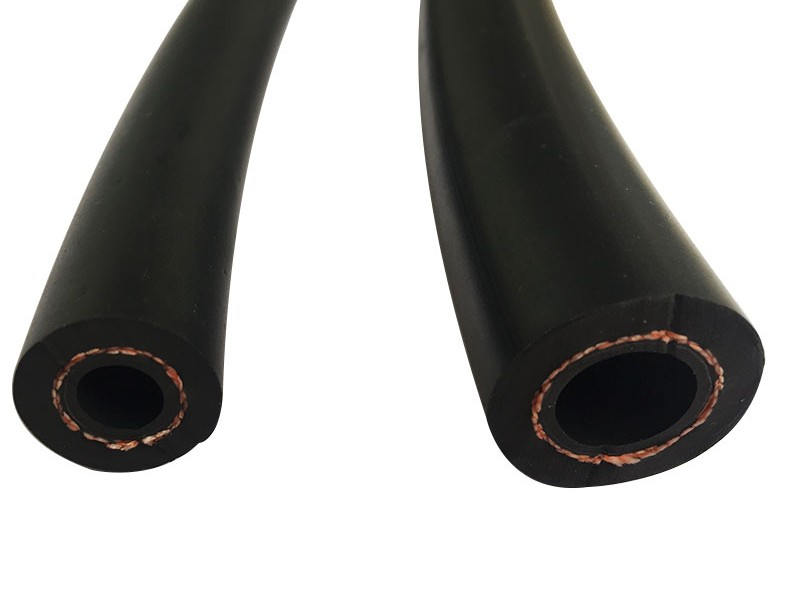
Parflex thermoplastic hoses are typically constructed from a combination of materials chosen for their specific properties. The inner tube is commonly made from polypropylene (PP), polyethylene (PE), polyvinyl chloride (PVC), or polytetrafluoroethylene (PTFE) – each offering differing levels of chemical resistance and temperature tolerance. Polypropylene provides good resistance to many acids and bases, while PTFE excels in highly corrosive environments. The reinforcement layer, crucial for pressure handling, is usually a high-tensile strength synthetic fiber braid, most often polyester or nylon. The outer cover is often formulated from a PVC compound, chosen for abrasion resistance, weatherability, and flexibility. Manufacturing begins with extrusion of the inner tube material to the desired dimensions. This process requires precise control of temperature, pressure, and die geometry to ensure consistent wall thickness and internal diameter. The reinforcement braid is then applied, meticulously wound around the inner tube, and secured. The outer cover is extruded over the braided layer. Critical parameters during extrusion include melt flow index (MFI) of the polymer, extrusion temperature profiles, and cooling rates. Post-extrusion, hoses undergo pressure testing to verify structural integrity and leak-proof performance. Quality control involves rigorous inspection for dimensional accuracy, material consistency, and braid coverage. Chemical compatibility is assessed through immersion testing of sample materials in representative fluids. Batch traceability is essential, linking each hose to its specific manufacturing parameters and raw material lots.
Performance & Engineering
The performance of Parflex thermoplastic hose is governed by several key engineering principles. Burst pressure, working pressure, and impulse pressure ratings are critical specifications. Burst pressure represents the point at which the hose catastrophically fails, while working pressure defines the maximum continuous operating pressure. Impulse pressure accounts for pressure surges and fluctuations that occur in dynamic systems. These parameters are determined through hydrostatic testing based on standards like ISO 3097. Tensile strength, measured according to ASTM D2370, quantifies the hose's resistance to pulling forces. Elongation at break, also measured by ASTM D2370, indicates the hose's ductility. Environmental resistance encompasses the hose’s ability to withstand temperature extremes, UV radiation, and ozone exposure. Accelerated aging tests, conforming to ASTM G154, simulate long-term exposure to these factors. Chemical compatibility is paramount; the hose material must not degrade, swell, or leach contaminants into the conveyed fluid. Fluid velocity and friction loss are also important considerations, influencing pressure drop and potentially leading to premature wear. Finite element analysis (FEA) is often employed to model stress distributions within the hose structure under various loading conditions, optimizing design for maximum durability and performance. Compliance with industry regulations, such as REACH and RoHS, is essential to ensure the absence of hazardous substances.
Technical Specifications
| Parameter | PP Hose | PVC Hose | PTFE Hose | Nylon Hose |
|---|---|---|---|---|
| Working Pressure (PSI) | 150 | 100 | 200 | 250 |
| Burst Pressure (PSI) | 450 | 300 | 600 | 750 |
| Temperature Range (°F) | 32-176 | 32-158 | -100-450 | -40-212 |
| Chemical Resistance | Good (Acids/Bases) | Moderate | Excellent (Wide Range) | Good (Oils/Fuels) |
| Tensile Strength (PSI) | 6000 | 5000 | 8000 | 9000 |
| Inner Diameter (inches) | 0.25-4 | 0.25-6 | 0.125-2 | 0.25-3 |
Failure Mode & Maintenance
Parflex thermoplastic hoses are susceptible to various failure modes. Fatigue cracking, induced by repeated flexing and pressure cycling, is a common issue, particularly near fittings. Delamination of the hose layers can occur due to inadequate adhesion between the tube, reinforcement, and cover. Chemical attack can lead to material degradation, causing swelling, cracking, or permeation. Abrasion from external contact can wear through the outer cover, exposing the reinforcement. Oxidation, particularly in PVC hoses exposed to UV radiation, can cause embrittlement. Kinking, resulting from sharp bending, can restrict flow and weaken the hose wall. Maintenance practices are crucial for extending hose life. Regular visual inspections should identify any signs of cracking, abrasion, or swelling. Proper hose routing and support mechanisms prevent excessive bending and abrasion. Avoiding exposure to incompatible chemicals is essential. Pressure testing should be performed periodically to verify hose integrity. When disconnecting hoses, care should be taken to avoid damaging the fittings. Storage should be in a cool, dry place away from direct sunlight. For PTFE hoses, ensure fittings are properly flared to prevent leakage. If damage is detected, the hose should be replaced immediately to prevent catastrophic failure and potential safety hazards. A detailed failure analysis should be conducted for any significant failures to identify the root cause and prevent recurrence.
Industry FAQ
Q: What are the key differences between PP, PVC, and PTFE hoses in terms of chemical resistance?
A: PP exhibits good resistance to many acids and bases, but is vulnerable to chlorinated solvents. PVC offers moderate resistance to a wider range of chemicals but is not suitable for strong acids or aromatic hydrocarbons. PTFE provides the broadest chemical resistance, being virtually inert to almost all chemicals, including highly corrosive substances. The choice depends entirely on the specific fluid being conveyed.
Q: How does the reinforcement braid impact the hose’s performance?
A: The reinforcement braid significantly increases the hose’s pressure handling capability and prevents kinking or collapsing under vacuum. Higher tensile strength braid materials, like nylon, provide greater burst pressure ratings. Braid coverage – the percentage of the hose circumference covered by the braid – also impacts performance; higher coverage offers better dimensional stability.
Q: What are the implications of REACH and RoHS compliance for Parflex hoses?
A: REACH (Registration, Evaluation, Authorisation and Restriction of Chemicals) ensures that chemicals used in the hose do not pose unacceptable risks to human health or the environment. RoHS (Restriction of Hazardous Substances) restricts the use of specific hazardous materials like lead, cadmium, and mercury. Compliance demonstrates a commitment to responsible manufacturing and access to certain markets, like the European Union.
Q: How important is temperature rating when selecting a hose for a specific application?
A: Temperature rating is critical. Exceeding the hose’s maximum temperature limit can cause material degradation, reduced pressure rating, and premature failure. Conversely, operating below the minimum temperature can lead to embrittlement and cracking. The temperature of the conveyed fluid, as well as the ambient temperature, must be considered.
Q: What steps can be taken to prevent fatigue failure in a high-cycle application?
A: Minimizing bending radius, providing adequate support to prevent excessive flexing, selecting a hose with a high fatigue resistance rating, and ensuring proper installation are crucial. Using anti-kink sleeves and avoiding sharp transitions in the hose path can also extend service life. Regular inspection for signs of cracking is essential.
Conclusion
Chinese-manufactured Parflex thermoplastic hoses represent a versatile and cost-effective solution for a wide spectrum of fluid transfer applications. Their performance characteristics are intrinsically linked to the material science employed in their construction – specifically the interplay between inner tube composition, reinforcement braid, and outer cover. Understanding the nuances of these materials, coupled with meticulous control of the manufacturing processes, is paramount to achieving reliable and long-lasting performance. Careful consideration of operating parameters, including pressure, temperature, and chemical compatibility, is crucial for proper hose selection.
Maintaining proactive maintenance practices, including regular inspections and adherence to recommended operating guidelines, further enhances the longevity and safety of these systems. The increasing emphasis on international standards and regulations such as REACH and RoHS demonstrates a growing commitment to quality and environmental responsibility within the Chinese manufacturing sector. Continued advancements in material science and manufacturing techniques will undoubtedly lead to further improvements in the performance and reliability of Parflex thermoplastic hoses.