
Apr . 01, 2024 17:55 Back to list
china parflex thermoplastic hose factory Performance Analysis

Introduction
Parflex thermoplastic hose, manufactured by facilities like china parflex thermoplastic hose factory, represents a critical component in fluid transfer systems across diverse industrial applications. These hoses are distinguished by their engineered construction, utilizing thermoplastic materials to deliver enhanced flexibility, chemical resistance, and operational reliability compared to traditional rubber hoses. Positioned within the industrial supply chain as a direct replacement or upgrade to rubber, PTFE, and metal hoses, Parflex hoses serve sectors including chemical processing, food and beverage, pharmaceuticals, oil and gas, and automotive. Core performance characteristics include high pressure capability, broad temperature range compatibility (-40°C to +150°C depending on material), and resistance to a wide spectrum of corrosive fluids. The emergence of advanced thermoplastic formulations and manufacturing techniques has positioned Parflex hose as a vital solution addressing stringent industry demands for safety, efficiency, and longevity. A key challenge for end-users lies in selecting the appropriate hose construction—material, reinforcement, and end fitting configuration—based on the specific fluid conveyed, operating pressure, temperature, and potential for mechanical stress. This guide provides a comprehensive overview of Parflex thermoplastic hose technology, covering material science, manufacturing processes, performance characteristics, failure modes, and relevant industry standards.
Material Science & Manufacturing
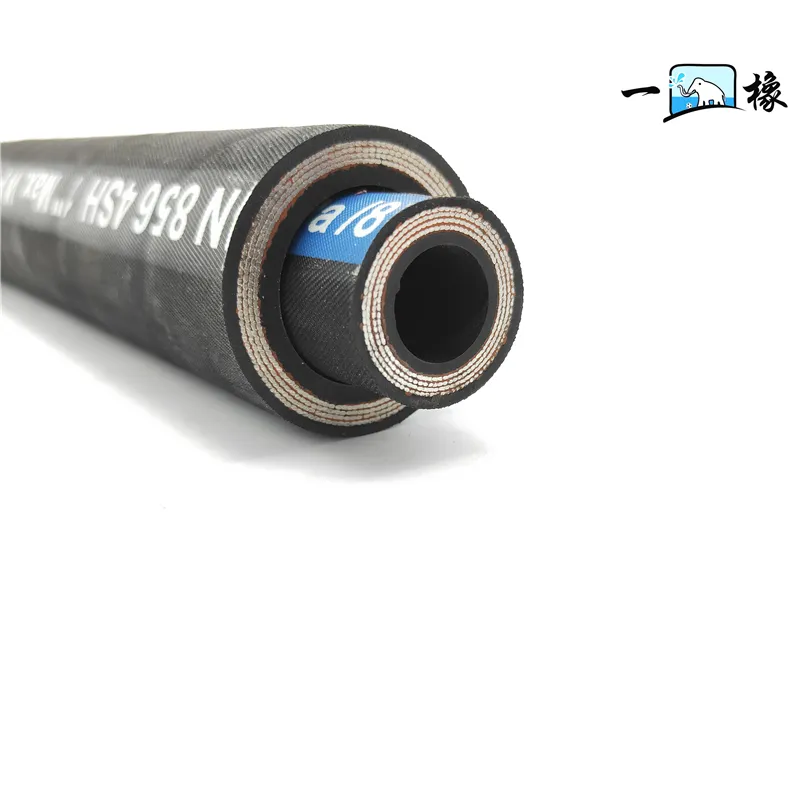
Parflex thermoplastic hoses are typically constructed from several core materials, each contributing to specific performance attributes. The inner core is commonly composed of polymers such as polypropylene (PP), polyethylene (PE), polyamide (Nylon), or fluoropolymers like polytetrafluoroethylene (PTFE). PTFE offers exceptional chemical resistance and a wide temperature range, making it suitable for aggressive media. Nylon provides excellent abrasion resistance and flexibility. Reinforcement layers are critical for pressure containment and structural integrity. These layers often utilize high-tensile strength materials including stainless steel braiding (typically 304 or 316 grade), aramid fiber, or polyester yarn. The number and configuration of reinforcement layers directly influence the hose’s burst pressure and flexibility. An outer cover, often employing a UV-stabilized thermoplastic elastomer (TPE) or polyurethane (PU), provides environmental protection, abrasion resistance, and a durable surface finish. Manufacturing processes vary depending on the hose complexity and materials. Extrusion is fundamental, creating a seamless inner core and outer cover. Braiding is implemented using automated braiding machines, ensuring consistent and precise reinforcement layer coverage. Key process parameters include extrusion temperature and pressure, braiding tension, and curing conditions (for PU covers). Quality control measures throughout manufacturing include dimensional checks, pressure testing to failure, and chemical compatibility assessments. Maintaining precise control over polymer melt flow index (MFI), reinforcement wire diameter, and cover thickness is paramount to achieving consistent product performance. Variation in these parameters can lead to premature failure or reduced service life.
Performance & Engineering
The performance of a Parflex thermoplastic hose is heavily dictated by its ability to withstand internal pressure, external mechanical loads, and exposure to various environmental factors. Force analysis involves calculating hoop stress within the hose wall under pressure, considering the reinforcement layer’s contribution to tensile strength. The Barlow’s formula (P = 2St/D) – where P is pressure, S is tensile stress, t is wall thickness, and D is diameter – is a foundational element in determining burst pressure. Finite Element Analysis (FEA) is increasingly employed to model complex stress distributions, especially in hoses with non-uniform geometries or subjected to bending and flexing. Environmental resistance is a critical consideration. Exposure to UV radiation can degrade the outer cover, leading to cracking and embrittlement. Chemical compatibility dictates the hose’s suitability for specific fluids. Prolonged exposure to incompatible chemicals can cause swelling, softening, or dissolution of the hose material. Temperature extremes can also impact performance; elevated temperatures reduce tensile strength, while low temperatures can decrease flexibility. Compliance requirements vary by industry and region. Food and beverage applications require hoses compliant with FDA 21 CFR 177.2600 and/or EU 1935/2004 regulations. Oil and gas applications often necessitate compliance with API standards. Proper end fitting selection and installation are crucial for maintaining hose integrity. Fittings must be securely crimped or swaged to prevent leakage or blow-off under pressure. Regular inspection for signs of wear, damage, or chemical attack is essential for preventative maintenance.
Technical Specifications
| Parameter | Typical PP/PE Hose | Typical Nylon Hose | Typical PTFE Lined Hose |
|---|---|---|---|
| Working Pressure (PSI) | Up to 200 | Up to 400 | Up to 300 |
| Burst Pressure (PSI) | 600-800 | 1200-1600 | 900-1200 |
| Temperature Range (°C) | -20 to +60 | -40 to +80 | -60 to +260 |
| Chemical Resistance | Limited; Acids, alkalis, solvents | Good; Oils, fuels, solvents | Excellent; Virtually all chemicals |
| Reinforcement | Synthetic Braid | Stainless Steel Braid | Stainless Steel Braid |
| Inner Diameter (inches) | 0.25 - 4 | 0.25 - 6 | 0.125 - 8 |
Failure Mode & Maintenance
Parflex thermoplastic hoses are subject to various failure modes depending on operating conditions and material selection. Fatigue cracking, particularly in braided reinforcement layers, can occur due to repeated flexing and pressure cycling. This is often initiated at points of high stress concentration, such as near end fittings. Delamination, the separation of layers, can occur due to poor adhesion between the inner core, reinforcement, and outer cover. This is exacerbated by exposure to incompatible fluids or extreme temperatures. Chemical degradation occurs when the hose material reacts with the conveyed fluid, leading to swelling, softening, or cracking. Oxidation, particularly at elevated temperatures, can cause embrittlement and loss of flexibility. Abrasion, from external sources, can damage the outer cover, exposing the reinforcement layers to corrosion. Maintenance strategies include regular visual inspection for cracks, bulges, or discoloration. Pressure testing can detect leaks or weaknesses. End fittings should be inspected for corrosion or damage. Hoses should be replaced if they show signs of significant wear or degradation. Proper storage is also crucial; hoses should be stored in a cool, dry place, away from direct sunlight and incompatible chemicals. For PTFE-lined hoses, avoid bending beyond the minimum bend radius specified by the manufacturer to prevent kinking and cracking of the PTFE liner. Flushing the hose periodically with a compatible solvent can remove accumulated debris and prevent clogging.
Industry FAQ
Q: What is the impact of reinforcement material on hose flexibility and burst pressure?
A: Reinforcement material directly influences both flexibility and burst pressure. Stainless steel braiding provides higher burst pressure capabilities due to its superior tensile strength, but it typically reduces flexibility compared to aramid fiber reinforcement. Aramid fiber offers a good balance of strength and flexibility, making it suitable for applications requiring frequent bending. The number of reinforcement layers also impacts both parameters; more layers increase burst pressure but decrease flexibility.
Q: How does temperature affect the working life of a thermoplastic hose?
A: Temperature significantly impacts working life. Elevated temperatures reduce the tensile strength and elongation at break of the polymer, increasing the risk of failure. Low temperatures can make the hose more brittle and susceptible to cracking. Continuous operation at or near the upper or lower temperature limits specified by the manufacturer will substantially reduce the hose's service life.
Q: What considerations are important when selecting a hose for transferring corrosive chemicals?
A: Chemical compatibility is paramount. The hose material must be resistant to the specific chemicals being conveyed. PTFE-lined hoses offer the broadest chemical resistance, but they can be more expensive. Nylon hoses provide good resistance to many oils and solvents. Always consult a chemical compatibility chart and verify the material's suitability before use. Consider the concentration and temperature of the chemical, as these factors can accelerate degradation.
Q: What are the common causes of hose failure in high-pressure hydraulic systems?
A: Common causes include exceeding the maximum working pressure, fatigue cracking due to repeated pressure cycling, and improper end fitting installation. Contamination of the hydraulic fluid can also damage the hose internally. Regular inspection for leaks, bulges, and cracks is crucial, along with ensuring proper fluid cleanliness and correct end fitting crimping or swaging.
Q: How does the bend radius affect the longevity of a thermoplastic hose?
A: Exceeding the minimum bend radius can cause kinking, which creates stress concentrations and accelerates fatigue failure. Kinking restricts flow and can damage the inner liner. Always adhere to the manufacturer’s specified minimum bend radius to maintain hose integrity and prolong service life.
Conclusion
Parflex thermoplastic hose technology offers significant advantages over traditional hose materials in a wide range of industrial applications. Careful consideration of material selection, manufacturing processes, and operating conditions is critical for maximizing performance and ensuring long-term reliability. Understanding the potential failure modes and implementing a robust preventative maintenance program are essential for mitigating risks and minimizing downtime.
The ongoing development of advanced thermoplastic formulations and manufacturing techniques promises to further enhance the capabilities of Parflex hoses, enabling them to meet the evolving demands of increasingly challenging industrial environments. Future advancements may focus on improving chemical resistance, increasing temperature range compatibility, and developing more durable and lightweight hose constructions. Selecting the correct hose for the application will minimize operational costs and ensure plant safety.