
Apr . 01, 2024 17:55 Back to list
china parflex thermoplastic hose factories Performance Analysis
Introduction
Parflex thermoplastic hose, manufactured extensively in China, represents a critical component in fluid transfer applications across diverse industries. These hoses, characterized by their flexibility, durability, and resistance to a broad spectrum of chemicals, occupy a significant position within the industrial supply chain, serving as a direct replacement for traditional rubber hoses in many demanding environments. The core performance attributes of Parflex hose—specifically its burst pressure, temperature tolerance, and kink resistance—directly impact the efficiency and safety of systems utilizing them. Chinese manufacturers have become key global suppliers due to their cost-competitive production capabilities and increasingly sophisticated quality control measures. However, understanding the nuances of material composition, manufacturing processes, and relevant industry standards is paramount for procurement professionals to ensure optimal performance and longevity. This guide provides a comprehensive technical overview, addressing key concerns related to material science, performance characteristics, potential failure modes, and applicable international standards for Parflex thermoplastic hose originating from Chinese factories.
Material Science & Manufacturing
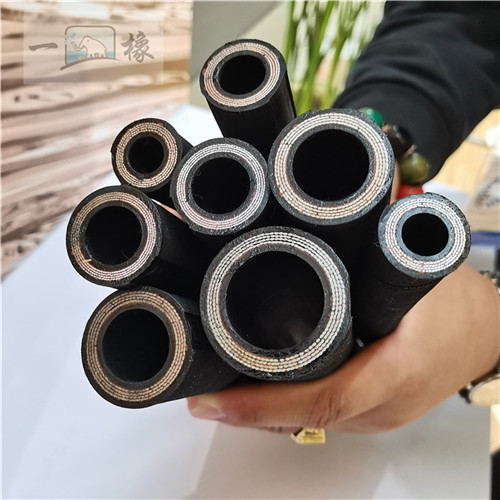
Parflex thermoplastic hose construction typically begins with a core layer of polypropylene (PP) or polyethylene (PE), selected based on the intended application and desired flexibility. These polymers provide a base for chemical resistance and formability. The reinforcement layer is critical, commonly comprising multiple helically wound layers of high-tensile strength polyester yarn or steel wire. The number of layers and yarn denier directly correlate with the hose’s working pressure rating. An outer jacket, usually a modified polypropylene or thermoplastic polyurethane (TPU), provides abrasion resistance, UV protection, and overall durability.
Manufacturing processes involve extrusion of the inner and outer layers, followed by precise winding of the reinforcement layer under tension. Parameter control during extrusion is vital: melt temperature, screw speed, and die pressure all influence the polymer’s molecular orientation and, consequently, the hose’s mechanical properties. The winding process demands consistent tension to ensure uniform reinforcement distribution, preventing localized weak points. Post-processing includes dimensional checks, pressure testing (hydrostatic testing is standard), and quality inspections. Chinese manufacturers often employ automated winding machines and advanced extrusion technologies to maintain consistency. Chemical compatibility is a critical consideration – variations in polymer formulation impact resistance to specific acids, alkalis, and solvents. Quality control protocols must include raw material certification and periodic testing of chemical resistance according to ASTM D543 standards.
Performance & Engineering
The performance of Parflex thermoplastic hose is governed by several key engineering principles. Burst pressure, a critical safety parameter, is determined by the reinforcement layer’s tensile strength and the adhesion between the layers. Finite element analysis (FEA) is frequently used in design to optimize reinforcement geometry and predict stress distribution under pressure. Kink resistance is achieved through the hose’s flexible construction and the strategic placement of reinforcement layers. Environmental resistance, particularly UV exposure and ozone degradation, is addressed through the addition of UV stabilizers and antioxidants to the outer jacket material. Long-term exposure can lead to polymer chain scission, reducing tensile strength and increasing susceptibility to cracking.
Compliance requirements vary by region and application. For example, hose used in food and beverage applications must comply with FDA 21 CFR 177.2600 regulations regarding food contact materials. Hose intended for hydraulic systems must meet or exceed SAE J517 standards for pressure rating and temperature range. Force analysis, including hoop stress calculations, is essential to determine the hose’s suitability for specific operating conditions. Factors such as fluid velocity, temperature, and pressure fluctuations all contribute to stress levels. Proper hose fitting selection is crucial; mismatched fittings can lead to leaks or premature failure. The use of crimping machines with calibrated dies ensures a secure and reliable connection.
Technical Specifications
| Parameter | Unit | Typical Value (PP/Polyester) | Typical Value (PE/Steel Wire) |
|---|---|---|---|
| Working Pressure | PSI | 200-500 | 300-1000 |
| Burst Pressure | PSI | 600-1500 | 900-3000 |
| Temperature Range | °F | -40 to 176 | -40 to 212 |
| Tensile Strength (Reinforcement) | PSI | 250,000 | 500,000 |
| Elongation at Break (Outer Jacket) | % | 300-500 | 200-400 |
| Chemical Resistance | Rating (1-5, 5=Excellent) | 3-4 (Acids, Alkalis) | 4-5 (Oils, Fuels) |
Failure Mode & Maintenance
Common failure modes for Parflex thermoplastic hose include fatigue cracking, particularly at bend radii or near fittings, resulting from repeated flexing and pressure cycles. Delamination of the reinforcement layers can occur due to inadequate adhesion or exposure to harsh chemicals. Environmental degradation, such as UV embrittlement and ozone cracking, weakens the outer jacket, leading to premature failure. Abrasion can also cause jacket damage, exposing the reinforcement layer to corrosion. Oxidation of the polymer matrix, particularly at elevated temperatures, reduces tensile strength and flexibility.
Preventive maintenance is crucial. Regular visual inspections should be conducted to identify cracks, abrasions, or bulges. Hose should be replaced if any signs of damage are detected. Avoid exceeding the hose’s working pressure or temperature limits. Proper storage is also important; hose should be stored in a cool, dry place away from direct sunlight and ozone sources. Implement a scheduled replacement program based on operating conditions and the hose’s service life. When troubleshooting a leak, always depressurize the system before disconnecting fittings. Consider using protective sleeves or guards in areas prone to abrasion.
Industry FAQ
Q: What is the primary difference between polypropylene (PP) and polyethylene (PE) based Parflex hoses, and when would I choose one over the other?
A: PP hoses generally offer better chemical resistance to acids and alkalis, and maintain dimensional stability at higher temperatures, making them suitable for applications involving corrosive fluids or elevated thermal environments. PE hoses, however, exhibit greater flexibility and impact resistance, making them preferable for applications requiring frequent bending or where impact is a concern. PE hoses are also typically more cost-effective.
Q: How does the reinforcement material (polyester vs. steel wire) affect the hose’s performance and lifespan?
A: Polyester reinforcement provides good tensile strength and flexibility at a lower cost, suitable for moderate-pressure applications. Steel wire reinforcement significantly increases burst pressure and provides enhanced durability, ideal for high-pressure hydraulic systems. However, steel wire hoses are less flexible and more susceptible to corrosion if the outer jacket is damaged.
Q: What are the key considerations when selecting hose fittings, and what potential problems can arise from incorrect fitting selection?
A: Fittings must be compatible with the hose material and pressure rating. Incorrectly sized or incompatible fittings can lead to leaks, blowouts, or premature hose failure. Ensure fittings are properly crimped or swaged onto the hose using calibrated tooling. Consider the fluid being conveyed and choose fittings made from compatible materials.
Q: What are the typical causes of delamination in Parflex hoses, and how can this be prevented?
A: Delamination is often caused by insufficient adhesion between the reinforcement layers and the inner/outer jackets, or by exposure to incompatible chemicals. Proper manufacturing processes, including surface treatment of the reinforcement layers and the use of compatible adhesives, are crucial for preventing delamination. Avoid exposing the hose to fluids that can attack the adhesive.
Q: What tests should be performed to verify the quality and performance of Parflex hoses received from a Chinese manufacturer?
A: Essential tests include hydrostatic pressure testing (to verify burst pressure), tensile strength testing of the reinforcement, and chemical resistance testing according to relevant ASTM standards. Dimensional checks to ensure compliance with specifications are also critical. Request material certifications and test reports from the manufacturer.
Conclusion
Parflex thermoplastic hose, manufactured in China, represents a versatile and cost-effective solution for a wide array of fluid transfer applications. Its performance, however, is intimately linked to the careful selection of materials, precise control of manufacturing processes, and adherence to relevant industry standards. Understanding the nuances of material properties, potential failure modes, and proper maintenance procedures is vital for ensuring long-term reliability and safety.
Procurement professionals should prioritize thorough quality control, including incoming inspection and periodic testing, to mitigate risks associated with variations in manufacturing quality. Continuous monitoring of industry trends, such as the development of new polymer formulations and reinforcement technologies, will enable informed decision-making and ensure optimal performance from these critical components. Ultimately, a technically informed approach to selection, installation, and maintenance will maximize the value and longevity of Parflex thermoplastic hose systems.